

If you're looking to retire, one of the first decisions you'll make is where to settle down. Many retirees want low taxes, warm weather, and plenty to do, and Arizona checks every one of those boxes. Every state has trade-offs, so it helps to look at the full picture before you commit.
Why Arizona Keeps Topping Retirement Lists
The top reasons retirees choose Arizona are:
- It's tax-friendly for retirees
- It has a low cost of living
- There’s a climate for every preference
- There are potential health benefits
- Yard work is nearly nonexistent
- There are bucket-list attractions close by
- You’ll find plenty of fellow retirees
Let's get into the details.
1. Arizona is tax-friendly toward retirees
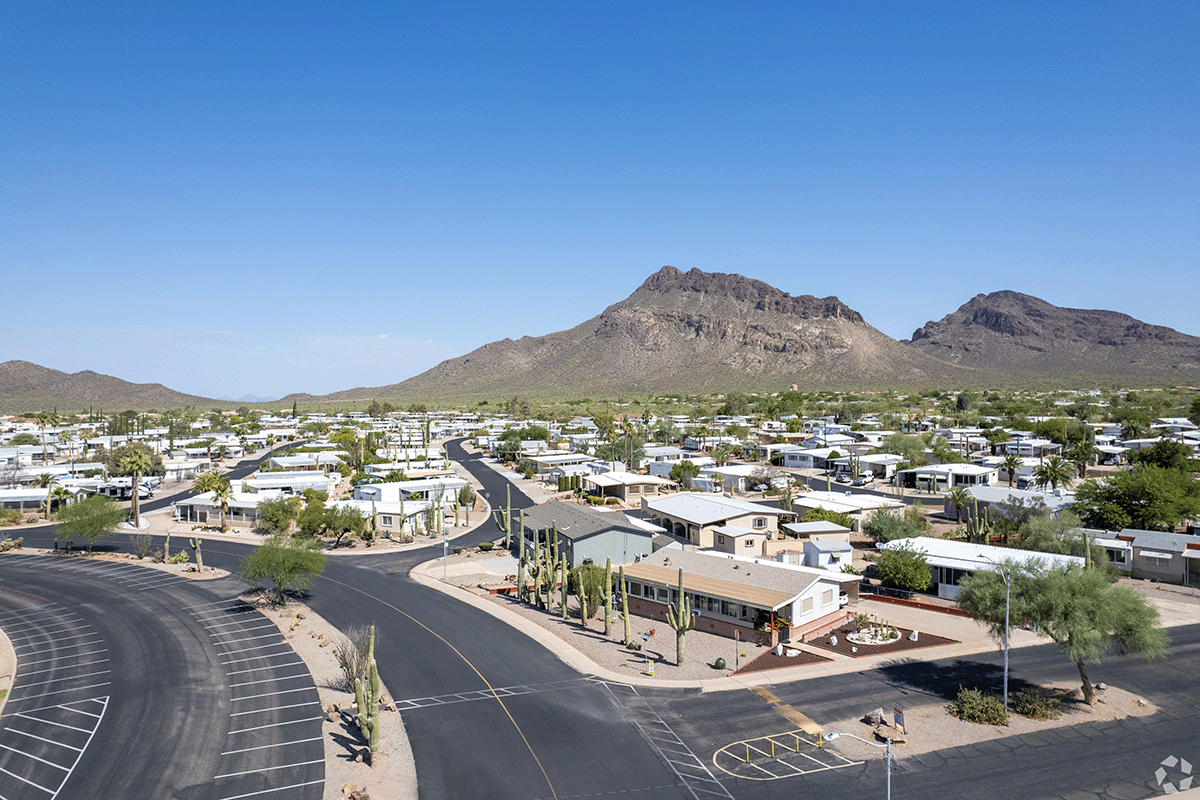
Arizona has one of the lowest flat income tax rates in the country at 2.5 percent, and Social Security benefits aren't taxed at all. There's no estate or inheritance tax either, so passing on savings to family members doesn't come with an added tax bill. Property taxes run below the national average, and many public pensions qualify for a deduction. Groceries and prescription drugs are also exempt from the state sales tax, which helps offset two of the bigger monthly expenses for many retirees.
2. The cost of living is low
Overall, Arizona is more affordable than many other retiree hotspots. The average rent for a one-bedroom apartment in Arizona is $1,324 per month as of July 2026, 20% lower than the national average rent of $1,663 per month. Rent and cost of living fluctuate across cities, appealing to a range of budgets.
|
City |
Average One-Bedroom Rent |
Cost of Living vs. National Average |
|
$953 |
-3.9% |
|
|
$1,002 |
+0.4% |
|
|
$1,303 |
+4.9% |
|
|
$1,576 |
+12.7% |
|
|
$1,789 |
+18.1% |
|
|
$1,838 |
+15.1% |
Phoenix draws plenty of attention, and its cost of living is a relative bargain compared to other major metro areas, but the surrounding suburbs and outlying cities vary widely in price. Scottsdale offers beautiful surroundings and no shortage of amenities, though it comes with a higher price tag, with median rent running close to $1,800 a month. Tucson, about two hours south, tends to run more affordable, with median rent closer to $1,000. Smaller cities like Yuma can stretch a fixed income even further, often with rent well under $1,200 a month.
The takeaway: don't rule out Arizona based on one city's price tag.
3. Arizona offers all kinds of climates
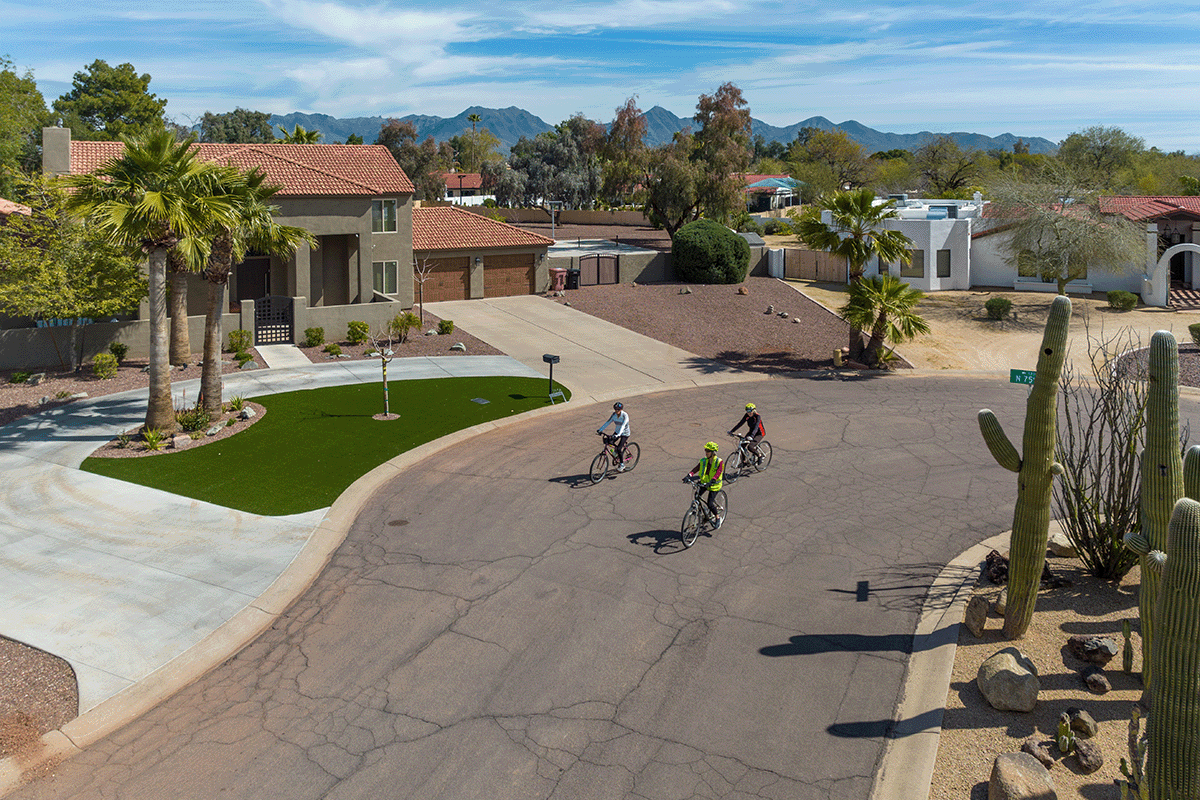
Arizona has a reputation for being one big, hot desert, but the climate actually varies a great deal depending on elevation.
Phoenix is mild in winter, with highs in the 60s and 70s. Summer heat is real, sometimes stretching into triple digits for weeks at a time, though low humidity tends to make it feel more tolerable than it sounds.
Flagstaff, on the other hand, sits at a much higher elevation and runs about 25 degrees cooler than Phoenix on any given day.
Tucson and Sedona land somewhere in between, with milder summers and four distinct seasons.
4. Arizona’s weather might help your health
A quick caveat here: results vary by person.
The Arthritis Foundation notes that cold, wet weather, something you won't find much of in Arizona, tends to be the toughest on joint pain. Whether this is due to thicker joint fluid in lower temperatures or the fact that people are more likely to be outside and active in warm weather isn’t clear, but warm, dry climates like Arizona’s may help ease arthritis pain.
If health is a major factor in your decision, a visit before you move is a smart way to see how your body responds.
5. Yards are extremely low maintenance
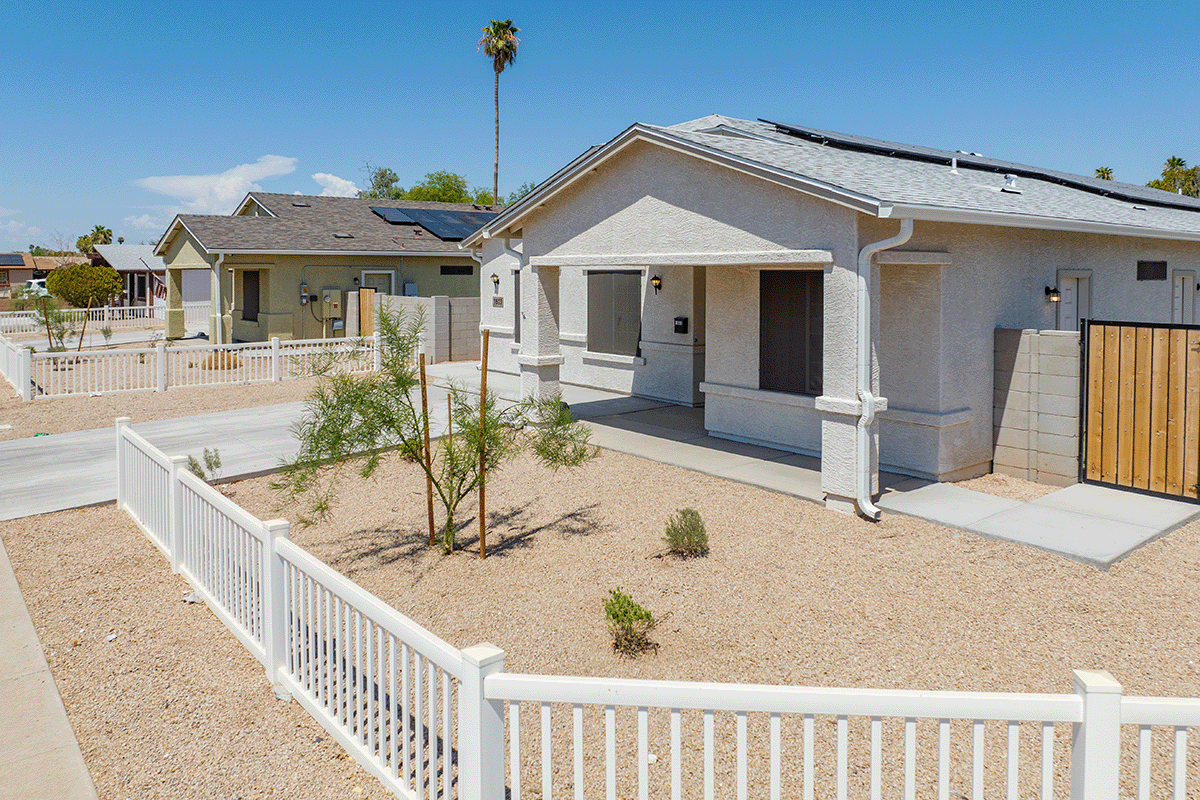
Green lawns aren't the standard in Arizona, and that's a good thing for retirees who would rather spend weekends on the golf course than behind a mower. Native, drought-tolerant plants and multicolored rock landscaping thrive in the dry climate and need very little upkeep. Several cities even pay residents to swap grass for native plants to conserve water, which adds up to a yard that looks great with minimal effort (and a lower water bill).
6. Arizona offers all kinds of great attractions
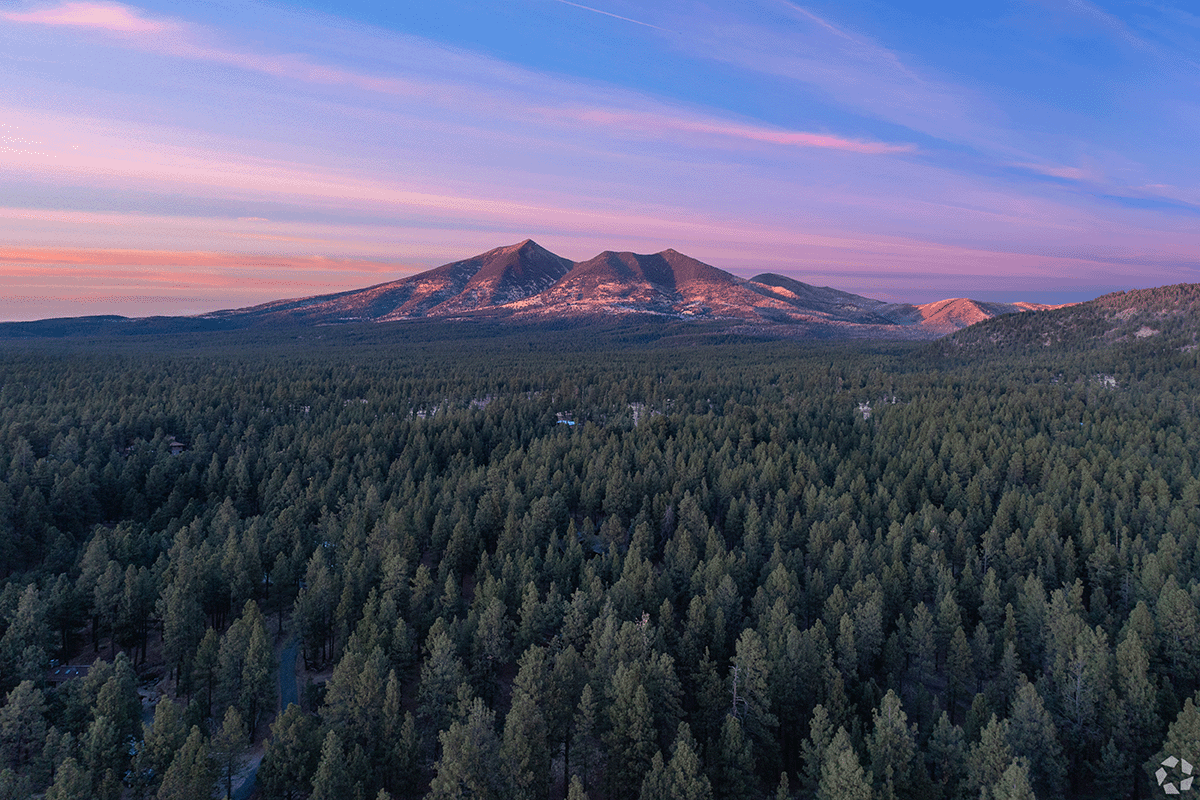
The Grand Canyon is one of the seven natural wonders of the world, and no matter where you settle in Arizona, it's only a few hours from your door.
There’s plenty more to see beyond the Grand Canyon, too. Flagstaff sits in the center of the largest contiguous ponderosa pine forest on Earth, and hikers will enjoy breathtaking views. Sedona’s red rock formations are a must-see, especially at sunrise or sunset when the spires glow fiery red. Spend a day exploring the 140-acre Desert Botanical Garden in Phoenix, or see the state’s signature saguaro cacti at Saguaro National Park in Tucson.
7. Arizona is a retiree haven
According to National Geographic, Sun City was the first active retirement community in the U.S., built more than 50 years ago. Since then, Arizona has become one of the most popular retirement destinations in the nation, with hundreds of senior housing rentals available.
What to Weigh Before You Commit
Every state has trade-offs, and Arizona is no exception.
Seasonal extremes
Summers are extreme here; summer temperatures averaged 96.4 degrees Fahrenheit in Phoenix between 2015 and 2025, and the average rainfall was 1.59 inches in the same period. This is significantly hotter and drier than the national averages of 73.3 degrees and 8.77 inches.
Winter brings its own extremes, too. Northerners flock to Arizona between October and April to escape snowy weather, so popular trails, golf courses, and restaurants get busier during those months.
Wildlife
Desert wildlife, including scorpions and rattlesnakes, is part of life here, though it's manageable with basic precautions.
Limited public transit
Public transit is limited outside the major cities, so plan on driving if you settle somewhere suburban or rural.
These may not be dealbreakers, but they’re worth knowing before you sign a lease.
Ready to Retire in Arizona?
Choosing a location for retirement isn't easy, but Arizona is a strong option thanks to its climate, cost of living, attractions, and range of senior living options.
Whether you’re drawn to the mountains, the suburbs, or the city center, Apartments.com makes it easy to compare neighborhoods, filter by the amenities that matter to you, and find a rental that fits your retirement goals.
This article was originally published on March 21, 2023, by the Apartments.com Team and has been updated.
FAQs
What's the average rent in Arizona?
The average rent for a one-bedroom apartment in Arizona is $1,324 per month, as of July 2026. This is a 2.2% decrease over July 2025.
Is Social Security taxed in Arizona?
No. Arizona doesn't tax Social Security benefits.
What's the biggest downside of retiring in Arizona?
Summer heat tends to top the list, along with heavier snowbird traffic during the winter months.


