

Right on the western shore of Lake Michigan, Milwaukee is all about affordability without feeling slow. Its downtown is always lively with cultural institutions, entertainment corridors of shops and restaurants, and festivals and events. Yet, nature is an unforgettable part of the landscape where trails connect parks, the lakefront, and neighborhoods.
It has become one of the most active rental markets in the U.S. because of its affordability, where lease-ups are actually outpacing construction. However, there are plenty of opportunities to find the perfect apartment as there is less competition, according to the Apartments.com RentPulse Index.
What makes Milwaukee stand out is how much variety it packs into 97 square miles. Each neighborhood has a visible identity and character that is built into its roots, touching all parts of the community. Housing options are just as plentiful as well; you can rent a high-rise apartment overlooking Lake Michigan or a converted warehouse loft near the Milwaukee Riverwalk. To help you narrow down your search, we've pulled together five of the best neighborhoods for renters, based on these factors:
- Rental availability
- Average rent relative to other neighborhoods in the city
- Proximity to points of interest like work hubs, universities, downtown areas, shopping centers, or major parks
- Niche.com’s neighborhood report cards
The five best neighborhoods in Milwaukee for renters are:
Yankee Hill
- Average 1-bedroom rent in Milwaukee: $1,216/month
- Average 1-bedroom rent in Yankee Hill: $1,227/month
- Average 1-bedroom size in Yankee Hill: 567 sq. ft.
Why Yankee Hill is good for renters
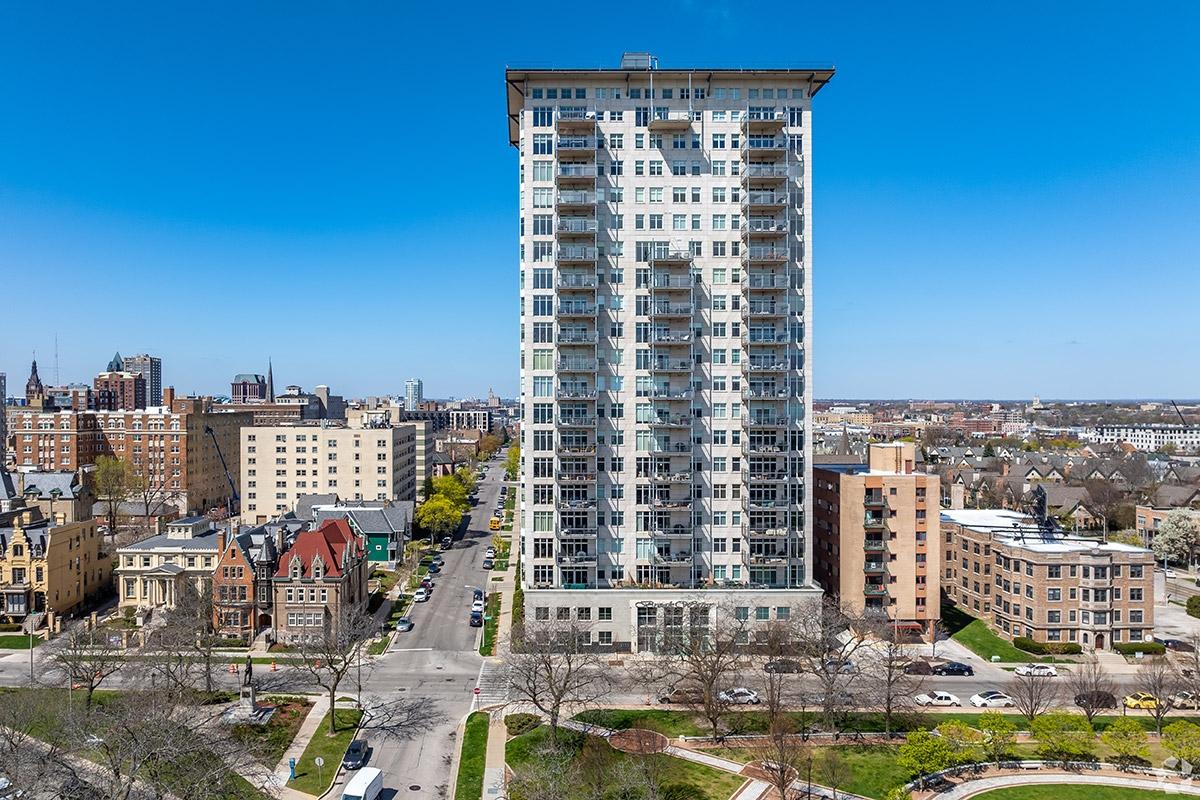
With a shared border on the north side of Juneau Town, Yankee Hill is one of the most architecturally distinctive places in the city. It’s home to numerous well-known venues, striking churches, and buildings that tell the story of Milwaukee’s past. Juneau Park and Veterans Park are only a couple of walkable blocks away and the Oak Leaf Trail connects the neighborhood to Historic Third Ward and its cultural institutions, as well as northern areas. While the neighborhood leans more residential, it isn’t far from the nightlife in Juneau Town and on North Water Street.
|
Very Walkable |
Good Public Transit |
Moderately Drivable |
Moderately Bikeable |
80Yankee Hill has a walkability score of 80 out of 100. |
60Yankee Hill has a transit score of 60 out of 100. |
60Yankee Hill has a drivability score of 60 out of 100. |
70Yankee Hill has a bikeability score of 70 out of 100. |
Keep in mind
While Yankee Hill has a few cafes and venues, residents will need to head to nearby Juneau Town, North Water Street, or Historic Third Ward for more entertainment, dining, and shopping.
Lower East Side
- Average 1-bedroom rent in Milwaukee: $1,216/month
- Average 1-bedroom rent in Lower East Side: $1,362/month
- Average 1-bedroom size in Lower East Side: 637 sq. ft.
Why Lower East Side is good for renters
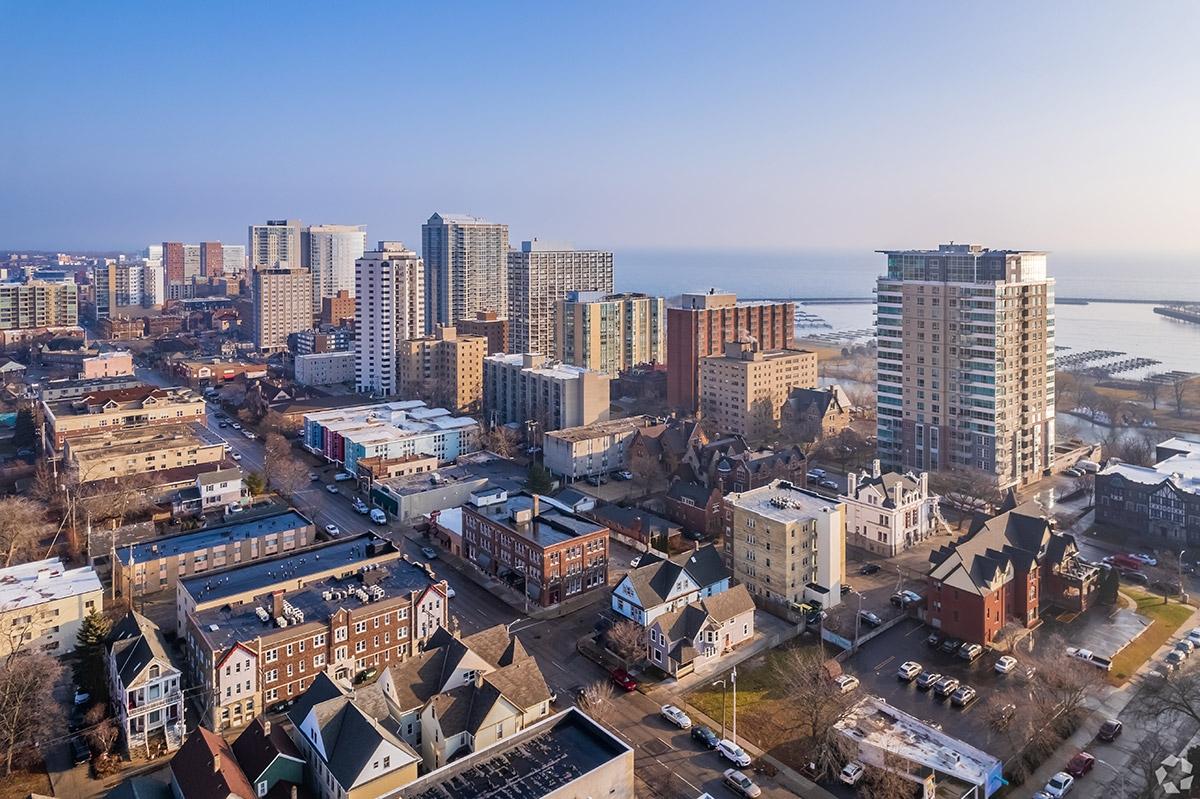
East Brady Street is the heart of the Lower East Side as a walkable corridor of independent coffee shops, Italian delis, bookstores, and bars that have been neighborhood staples for decades. With the neighborhood’s location between Lake Michigan and the Milwaukee River, residents have easy access to both lakefront paths and parks, as well as the river trail system. The area strikes a balance between lively nightlife and laid-back residential streets, making it easy to enjoy the neighborhood’s offerings by foot or bike.
|
Exceptionally Walkable |
Good Public Transit |
Fairly Drivable |
Very Bikeable |
90Lower East Side has a walkability score of 90 out of 100. |
60Lower East Side has a transit score of 60 out of 100. |
50Lower East Side has a drivability score of 50 out of 100. |
80Lower East Side has a bikeability score of 80 out of 100. |
Keep in mind
Brady Street and other popular gathering spots can get loud on weekend evenings, so renters who prefer quieter surroundings may want to look for units set back from the main commercial strip.
Northpoint

- Average 1-bedroom rent in Milwaukee: $1,216/month
- Average 1-bedroom rent in Northpoint: $1,254/month
- Average 1-bedroom size in Northpoint: 664 sq. ft.
Why Northpoint is good for renters
Northpoint is one of Milwaukee's most popular lakefront neighborhoods as it provides numerous ways to experience the shoreline. Lake Park, designed by Frederick Law Olmsted, offers bluff-top views, wooded ravines, and miles of trails that connect to the Oak Leaf Trail along the shoreline. Further down is Bradford and McKinley Beah, as well as Back Bay Park. The neighborhood has a mix of historic and modern apartment communities, allow renters to find the perfect fit without leaving the area. Northpoint is hard to beat for its proximity to the water without the density of downtown.
|
Very Walkable |
Some Public Transit |
Moderately Drivable |
Moderately Bikeable |
80Northpoint has a walkability score of 80 out of 100. |
50Northpoint has a transit score of 50 out of 100. |
60Northpoint has a drivability score of 60 out of 100. |
60Northpoint has a bikeability score of 60 out of 100. |
Keep in mind
Due to Northpoint’s waterfront location, rents here are a bit pricier than other neighborhoods on this list. However, it’s worth the price for renters prioritizing outdoor access, and it’s still in line with the city’s overall average rent.
Murray Hill
- Average 1-bedroom rent in Milwaukee: $1,216/month
- Average 1-bedroom rent in Murray Hill: $1,016/month
- Average 1-bedroom size in Murray Hill: 588 sq. ft.
Why Murray Hill is good for renters
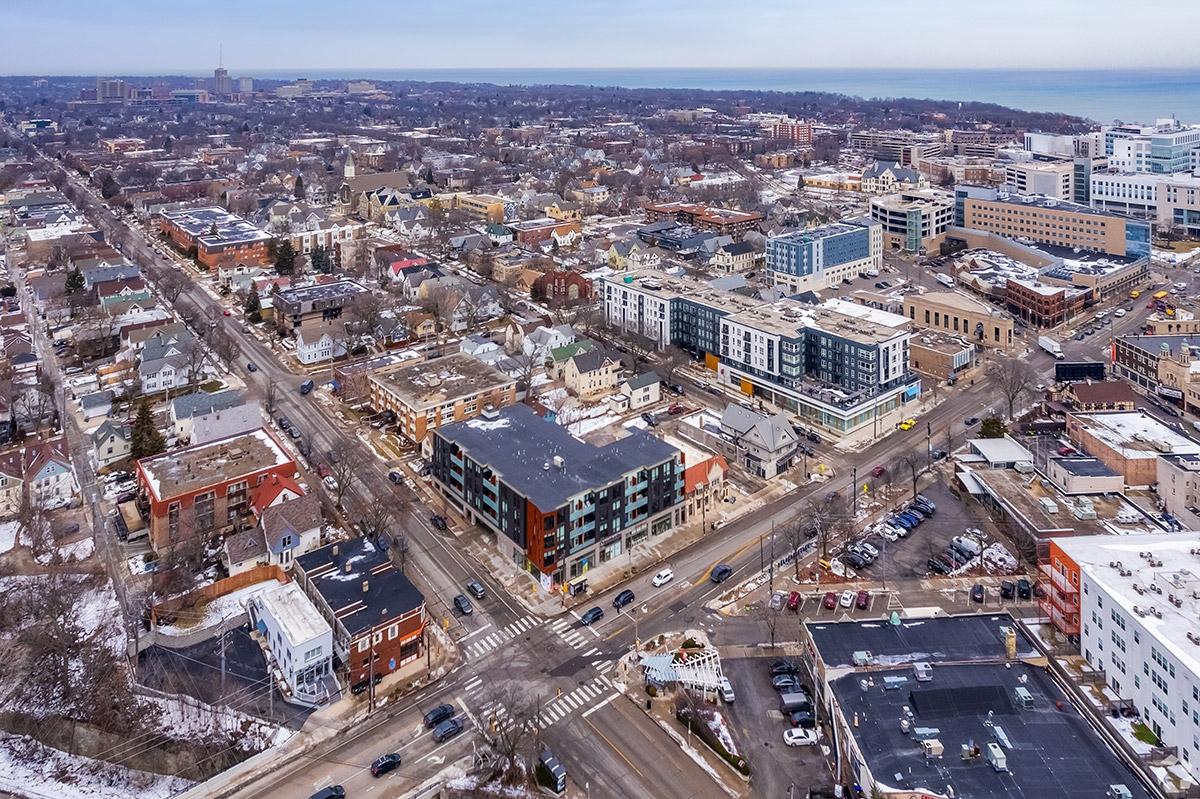
Murray Hill occupies a perfectly-positioned spot on Milwaukee's East Side, sitting between Lake Michigan and the Milwaukee River, and right below the University of Wisconsin–Milwaukee campus. The north side of the neighborhood largely consists of classic single-family homes, while the south part has many brick apartment communities. Residents mainly head to the intersection of North Oakland Avenue and East Locust Street as well as North Downer Avenue for local eateries, independently-owned shops, and long-standing theaters, both for live music, events, and movies.
|
Moderately Walkable |
Good Public Transit |
Moderately Drivable |
Moderately Bikeable |
70Murray Hill has a walkability score of 70 out of 100. |
60Murray Hill has a transit score of 60 out of 100. |
60Murray Hill has a drivability score of 60 out of 100. |
70Murray Hill has a bikeability score of 70 out of 100. |
Keep in mind
Because of its proximity to UW–Milwaukee, the neighborhood can feel busy during the academic year.
Walker’s Point

- Average 1-bedroom rent in Milwaukee: $1,216/month
- Average 1-bedroom rent in Walker’s Point: $1,534/month
- Average 1-bedroom size in Walker’s Point: 630 sq. ft.
Why Walker’s Point is good for renters
Walker's Point is mere minutes from downtown and has become one of the city's most talked-about neighborhoods for its restaurant and bar scene. The area is known for its dense stretch of destination dining, from James Beard–recognized restaurants to taquerias, cocktail bars, and late-night spots, concentrated along South 2nd Street and South 5th Street. It’s also a destination for shoppers with one-of-a-kind antique shops, specialty boutiques, and more. Walker Square Park is the neighborhood’s main green space, while the Kinnickinnic River Trail and Hank Aaron State Trail offer plenty of space for walking and biking, as well as connecting residents to other parks.
|
Moderately Walkable |
Good Public Transit |
Exceptionally Drivable |
Fairly Bikeable |
60Walker’s Point has a walkability score of 60 out of 100. |
60Walker’s Point has a transit score of 60 out of 100. |
100Walker’s Point has a drivability score of 100 out of 100. |
50Walker’s Point has a bikeability score of 50 out of 100. |
Keep in mind
The atmosphere can vary noticeably from one area to another, with some blocks feeling industrial and fast-paced while others are quieter and more residential. Busy car traffic is also common, especially during rush hour and weekends when restaurants and nightlife spots fill up.
Ready to Make the Move?
Milwaukee is one of the Midwest's most underrated rental markets, and the right neighborhood can make your experience in the city feel completely different. Whether you're drawn to the lakefront access of Northpoint, the walkable energy of the Lower East Side, or the warehouse-loft character of Walker's Point, Apartments.com has the tools to help you find exactly what you're looking for. Use filters to narrow by rent range, apartment size, pet policy, parking availability, and more in one place. Your next Milwaukee apartment is out there, let us help you find it.
Methodology
Rent and cost of living data are sourced from the Apartments.com Rent Trends pages and Cost of Living Calculator. Walkability, transit, drivability, and bikeability ratings are sourced from the Apartments.com Area Guides, courtesy of Local Logic.
FAQs
Is Milwaukee a good place to live?
Milwaukee is a good place to live for renters looking for Lake Michigan beaches, summer festivals, historic breweries, public markets, bike trails, and neighborhood restaurants without making daily life feel overly compact like in other big cities, such as Chicago. You can spend the morning along the lakefront, catch a festival at Henry Maier Festival Park, grab dinner in Bay View or Walker’s Point, and still find rents that are often lower than other metros.
Is Milwaukee an expensive place to live?
Milwaukee's cost of living is nearly identical to the national average, it’s just 0.6 percent above it. Housing is more affordable compared to many other major cities as the average rent of $1,216/month is 26 percent lower than the national average rent of $1,643/month. Renters can stretch their budgets even further by looking into Milwaukee's most affordable neighborhoods.
What’s the average rent in Milwaukee?
The average rent in Milwaukee is $1,216/month, which is 26 percent lower than the national average.
What salary do you need to live in Milwaukee?
Based on our cost of living data, a single adult without dependents would need to earn about $75,000 before taxes to live comfortably in Milwaukee. That estimate includes typical expenses like rent, utilities, groceries, and everyday goods and services.


