

There are few cities in the United States that takes food quite as seriously as New Orleans. The cuisine is a living document of the city’s history: French technique folded into West African spice, Caribbean heat meeting Cajun countryside, and new flavors from other cultures reshaping an already-kaleidoscopic food tradition. Nowhere else in the country can you eat this many distinct, deeply rooted culinary traditions within a single square mile.
Being a foodie in New Orleans is a neighborhood-by-neighborhood experience. Each pocket of this city has its own food identity, its own traditions, and its own unspoken rules about where visitors can get the best bite in town.
This guide breaks it all down so you can eat strategically and memorably. The best neighborhoods in New Orleans for foodies are:
1. French Quarter
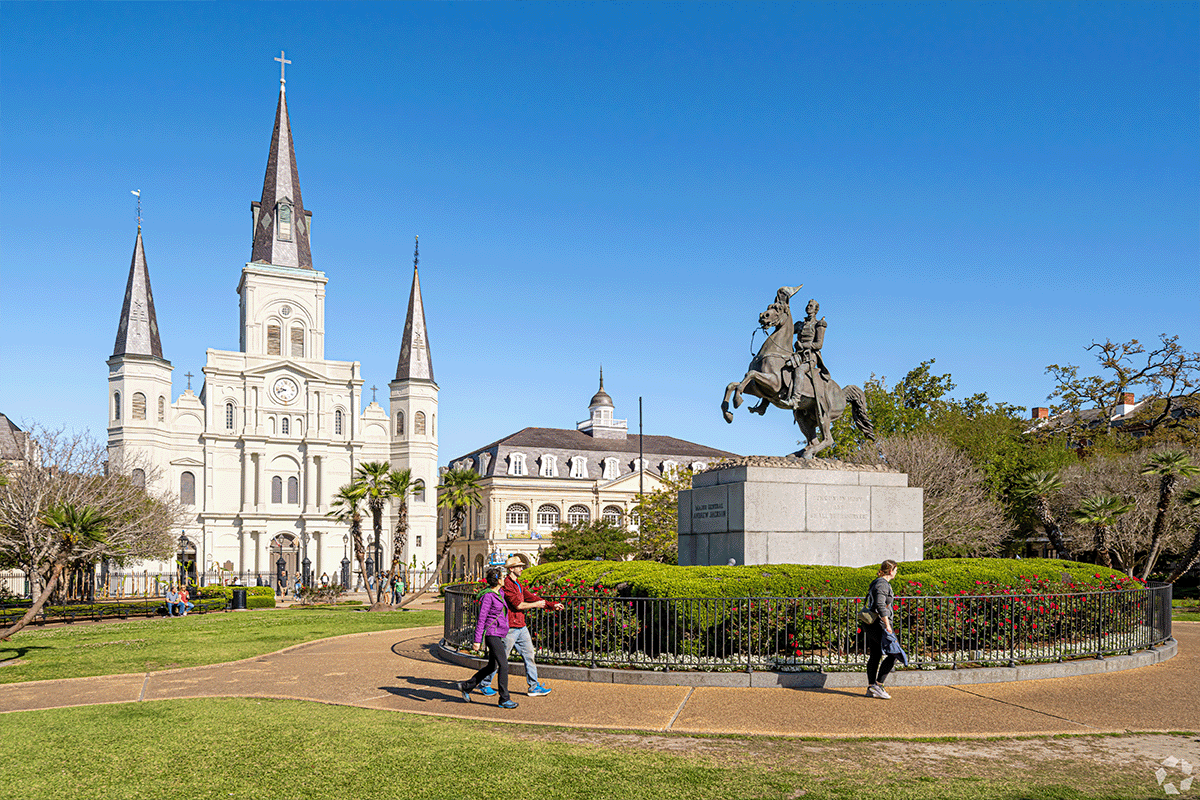
New Orleans is one of the food capitals of the United States. The French Quarter is where that reputation was forged. This is where the city's Creole culinary identity was codified into dishes that have barely changed in a century: that elegant, butter-rich, deeply spiced cooking born from the collision of French, Spanish, and African traditions.
Where and What to Eat
-
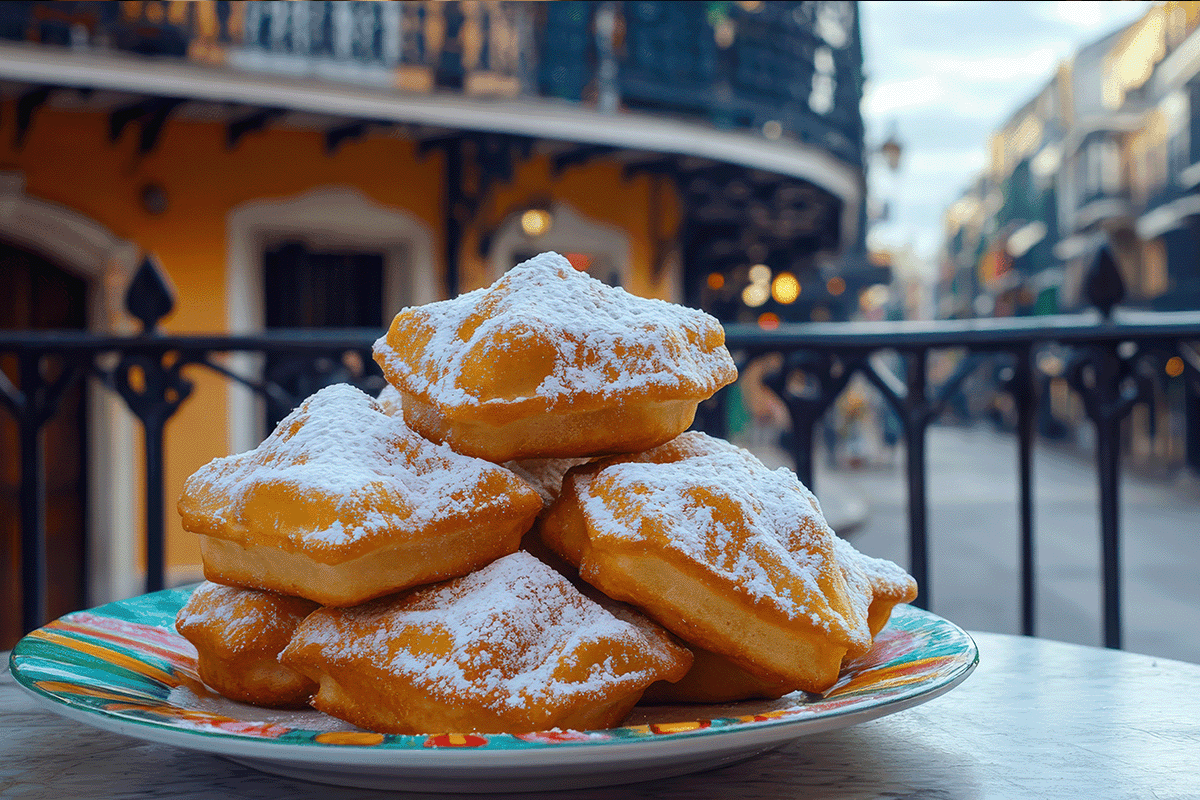
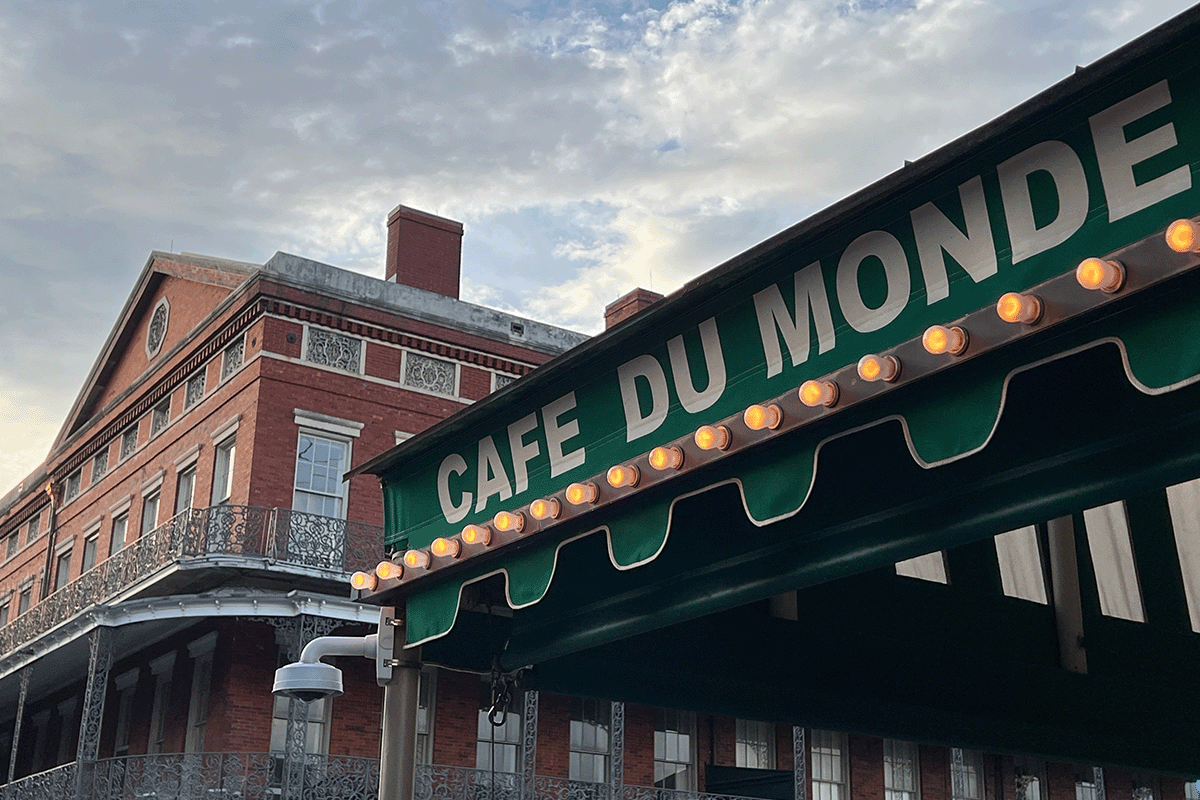
Can you say you’ve been to New Orleans if you haven’t eaten beignets? Café Du Monde on Decatur Street has been serving them since 1862: hot, airy, fried-to order pillows of dough buried under a snowstorm of powdered sugar. It may get all over your shirt, but it’ll be worth it.
-
For something more substantial, Galatoire's on Bourbon Street is one of the great old-guard Creole dining rooms in the country — white tablecloths, shrimp remoulade, and trout meunière that will make you question every fish dish you've eaten elsewhere.
-
Brennan's, the legendary pink building on Royal Street, is the birthplace of Bananas Foster, a dessert so dramatic (it's flambéed tableside) it feels like performance art.
-
Central Grocery and Deli on Decatur is where you go for a proper muffaletta: a round Italian sesame loaf stuffed with cured meats and a punchy olive salad that was invented here in 1906 and has been quietly perfect ever since.
2. Bywater
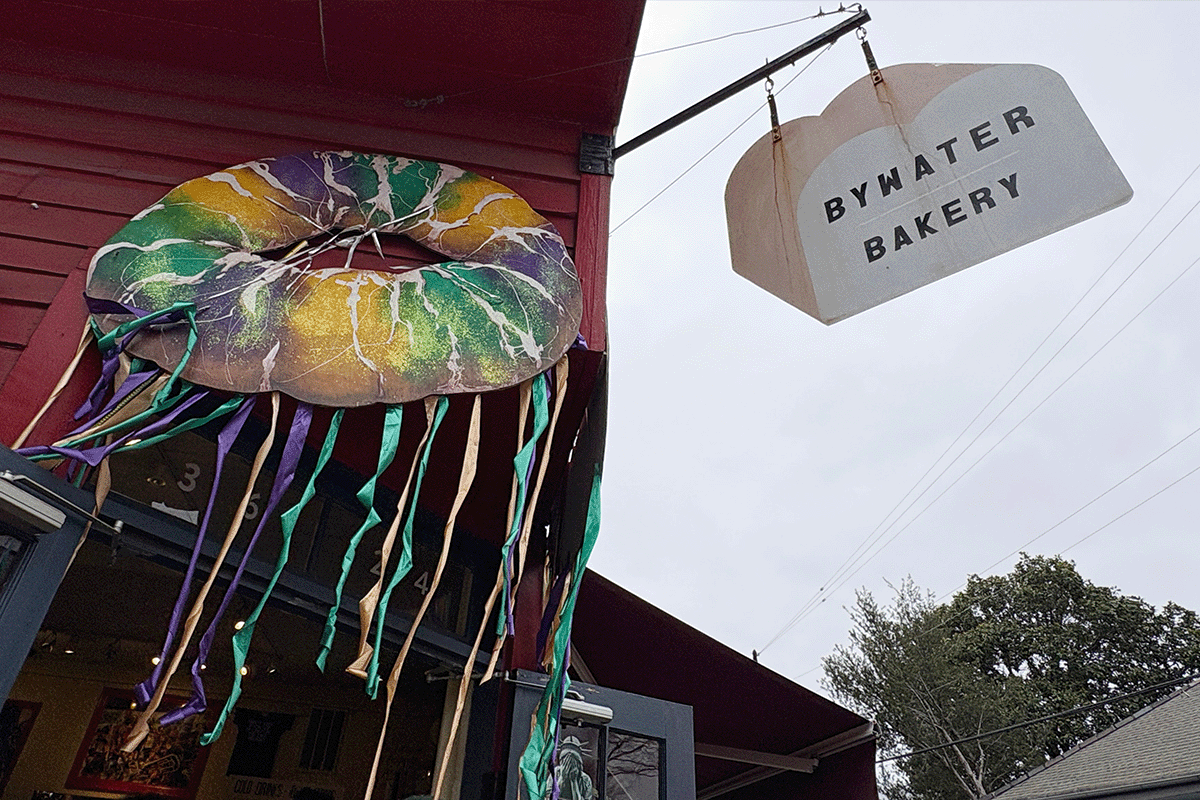
Just downriver from the French Quarter, the Bywater neighborhood has an inimitable vibe characterized by colorful shotgun houses, murals on every other wall, and a mix of long-time locals and new creatives. The food here reflects that energy: inventive, unfussy, chef-driven without being pretentious, and good value.
Where and What to Eat
-
Bacchanal Wine Bar & Grocery is one of the most beloved spots in New Orleans right now. It's a wine bar that evolved into an outdoor live-music venue with a kitchen in the back, and its charcuterie, small plates, and rotating specials are exceptional. Show up, pick a bottle off the shelf, grab a table in the courtyard, and truly unwind.
-
Pizza Delicious, a New York–style pie shop that started as a pop-up, now has a permanent home and a devoted following. Their plain cheese slice and pastas are famous for a reason!
-
For a sweet bakery bite, you’ll want to stop at Petite Clouet Cafe. It is tiny, frequently crowded, and worth every minute of the wait for their coffees, iced teas, and mouthwatering cakes.
-
For upscale Mexican cuisine, don’t sleep on Acamaya. Try their seafood plates, like the octopus or blackened flounder, and end the night with a succulent flan or tres leches cake.
3. Garden District
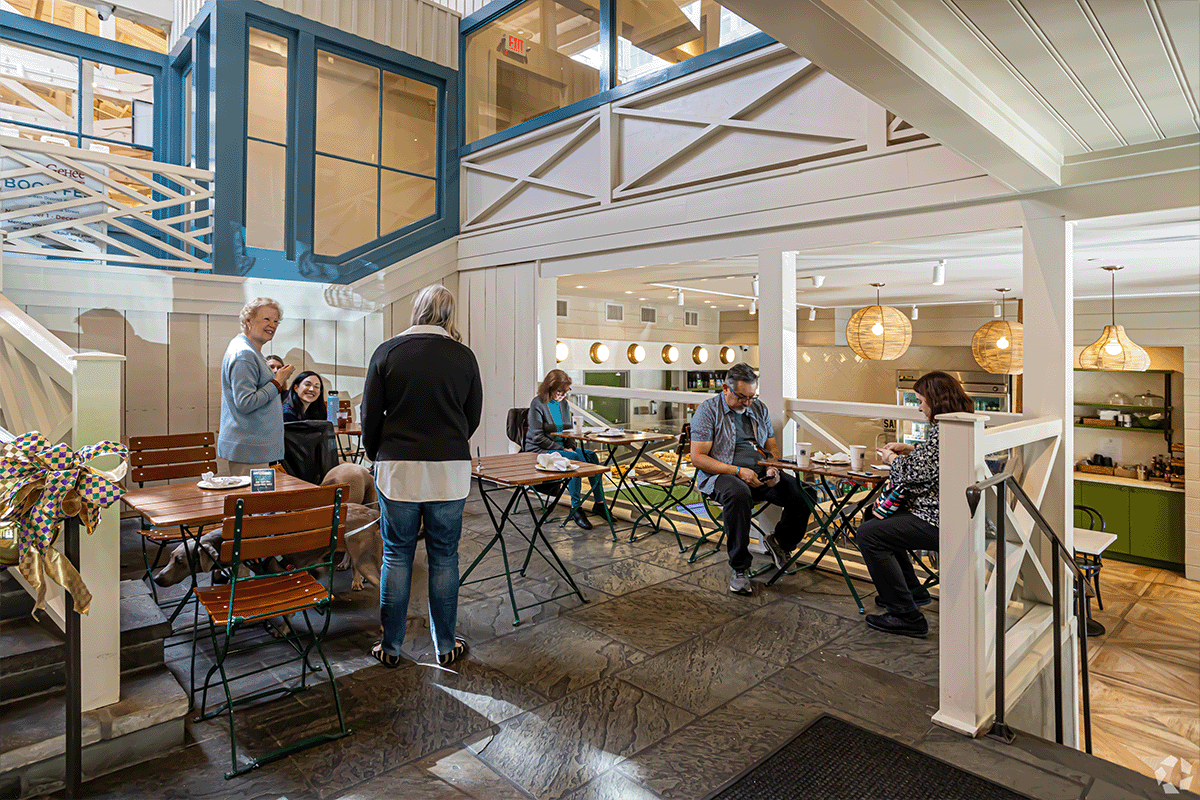
The Garden District is all live oak canopy, gothic mansions, and an air of old school elegance that somehow never tips into stuffiness. The food here matches the neighborhood's character: refined but not rigid, rooted in Creole and Southern tradition but open to modern sensibilities. This is where you come for a long, beautiful lunch or a dinner worth dressing up for.
Where and What to Eat
-
Commander's Palace is the crown jewel of the Garden District’s food stops. The Saturday Jazz Brunch is a bucket-list experience: three courses, live jazz, and a kitchen that has trained more celebrated New Orleans chefs than any other in the city. Commander's is where Emeril Lagasse, Jamie Shannon, and Tory McPhail all came up.
-
For something more casual, Stein's Market & Deli on Magazine Street is a Jewish deli with exceptional house-cured meats, imported cheeses, and a reuben sandwich that belongs in a museum.
-
Parasol's is the Garden District's neighborhood bar-restaurant hybrid, famous for its roast beef po'boy. If you want the comfort of a sports bar that serves food for the soul, this is your spot.
-
Coquette on Magazine Street represents the more modern wing of Garden District dining. It has a beautiful room, a seasonally driven menu, and a wine list that foodies flock to.
4. Mid-City
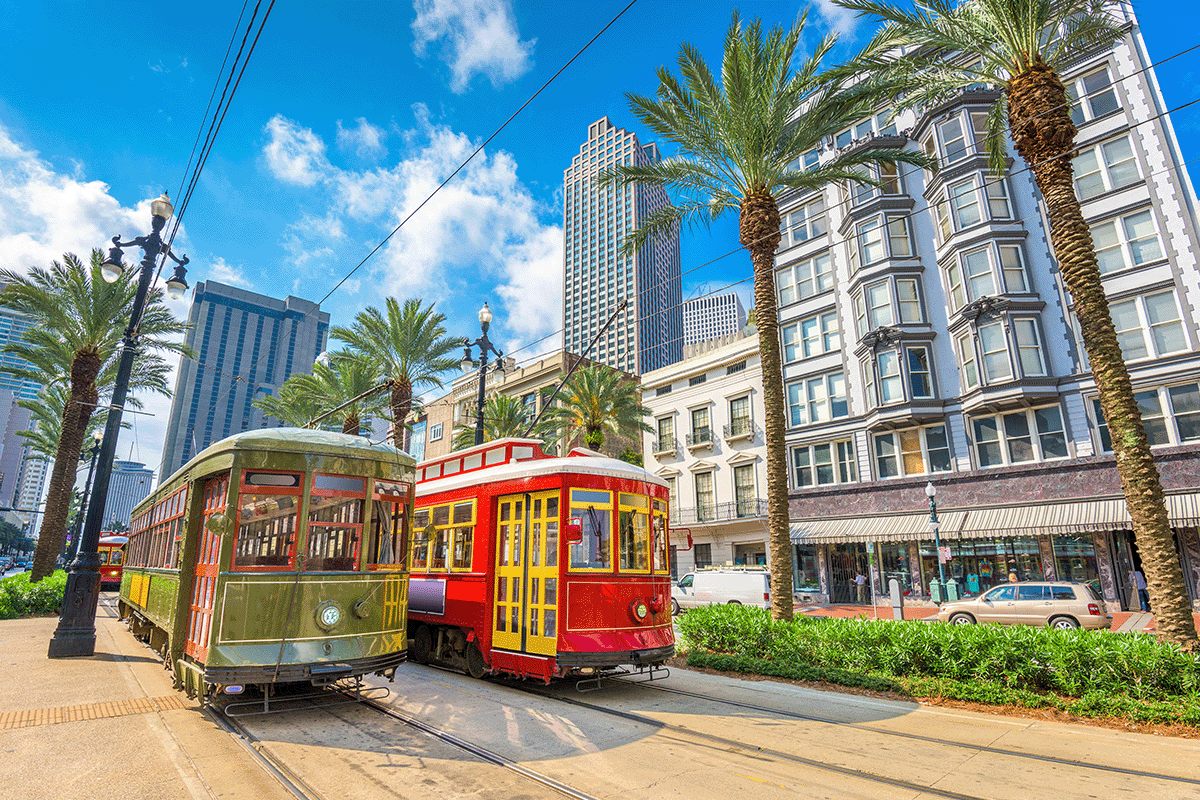
If you want to eat like someone who actually lives in New Orleans and not a tourist, you eat in Mid-City. This is the city's most genuinely local food neighborhood, a place where institutions have been feeding the same families for generations, and new spots earn their place by being good rather than trendy.
Where and What to Eat
-
Parkway Bakery & Tavern on Hagan Avenue is the uncontested home of the roast beef po'boy. The roast beef is slow-cooked, falling-apart tender on a proper French bread loaf.
-
Mid-City is also home to one of the finest Vietnamese dining corridors in the American South, concentrated primarily along Tulane Avenue and into the broader Mid-City grid. Pho Tau Bay is the most beloved pho spot in the city: a no-frills bowl of broth that has been perfected over decades.
-
Mandina's Restaurant on Canal Street is an old-school Italian-Creole restaurant that has been around since 1932. The portions are huge, the flavors are bold, and the food feels like someone’s grandmother cooked it.
-
Liuzza's by the Track, near the Fairgrounds, is similarly timeless: cold beer, great po'boys, and a memorable gumbo.
5. Tremé-Lafitte
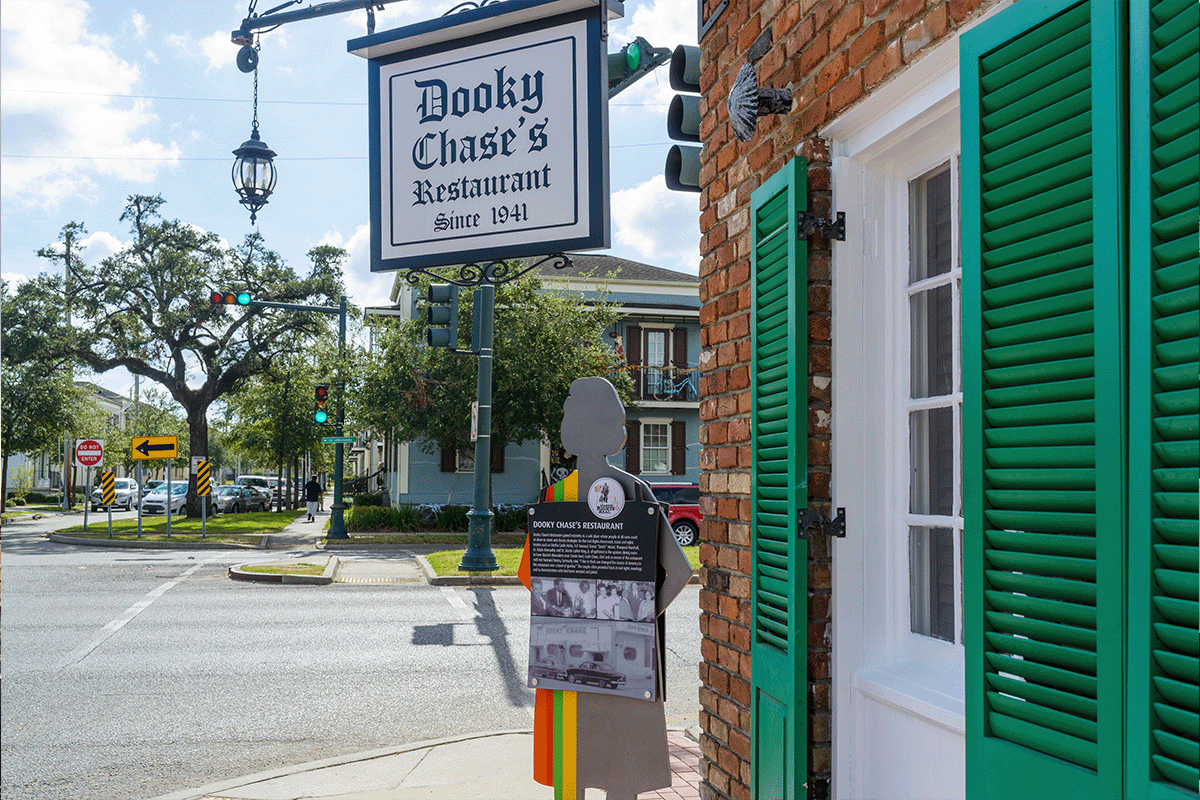
To eat in Tremé-Lafitte is to eat at the source. This is the cradle of jazz and the spiritual heart of New Orleans culture. Its food reflects a culinary tradition that predates, underlies, and fundamentally shaped everything else this city is celebrated for. The Creole and soul food traditions cooking here didn't come from anywhere else.
Where and What to Eat
-
Dooky Chase's Restaurant is sacred ground. Chef Leah Chase, who passed away in 2019 at age 96, was one of the most important figures in American culinary history. Her family continues the tradition, and it remains essential to locals and visitors alike. The fried chicken is legendary, the Creole gumbo is among the finest in the city, and eating here is an act of cultural preservation as much as it is a meal.
-
Gabrielle Restaurant is among the best Cajun cuisine in New Orleans. This family-run bistro offers top-notch cocktails, shrimp appetizers, and sweet potato pie you’ll write home about.
-
Li'l Dizzy's serves a buffet-style Creole soul food spread on weekdays that is one of the best ways to eat a lot of New Orleans cooking in a single sitting: red beans and rice, smothered chicken, fried catfish, and bread pudding that defies rational description.
Practical Foodie Tips for Eating in New Orleans
When to visit the best neighborhoods in New Orleans for foodies
-
Jazz Fest (Late April–Early May): The New Orleans Jazz & Heritage Festival is not just one of the greatest music events in the United States, but it might be the greatest food festival in the world that happens to also have music. The infield food booths are curated, diverse, and extraordinary: crawfish monica, cochon de lait po'boys, Prejean's crawfish étouffée, Guatemalan food, Vietnamese spring rolls. Budget as much for food as for anything else.
-
French Quarter Fest (April): Smaller, more neighborhood-focused, and increasingly beloved by locals as an alternative to Jazz Fest. Free admission, stages throughout the Quarter, and a remarkable concentration of local food vendors who represent some of the city's best cooking. A genuinely great way to eat across multiple neighborhoods and cuisines in a single afternoon.
-
Halloween in New Orleans (Late October): New Orleans takes Halloween with utmost seriousness. Costumes are elaborate, the streets are wild, and the whole city leans into its reputation as one of the most haunted cities in America. From a food perspective, October is one of the best times to visit: the brutal summer heat has broken, fall menus are in rotation (look for pumpkin-spiced bread pudding, butternut squash bisque, and monster-inspired cocktails), and restaurants are fully staffed and energized for the season. It's the city at its most theatrical, and the food keeps pace.
Reservations Strategy
Commander's Palace, Galatoire's, Brennan's, Compère Lapin, and Peche all benefit from advance booking, especially on weekends. Conversely, places like Bacchanal, Willie Mae's, Parkway Bakery, and Dooky Chase's are walk-in (though lines form — arrive early or be patient). Mid-City and Bywater spots often operate on a casual walk-in basis that rewards flexibility.
Eating Around the Heat
From June through September, New Orleans is genuinely, oppressively hot and humid. Locals structure their eating accordingly: a larger lunch during the midday heat (air-conditioned, slow-paced), a late afternoon coffee and pastry break, and dinner after sundown when the streets cool and the city comes alive. Avoid heavy, multi-course meals in the midday sun unless you're inside somewhere with good AC.
The One Dish per Neighborhood List
-
French Quarter: Trout meunière at Galatoire's
-
Bywater & Marigny: Wine and charcuterie board at Bacchanal
-
Garden District: Turtle soup at Commander's Palace
-
Mid-City: Roast beef po'boy at Parkway Bakery
-
Warehouse District: Whole grilled fish at Peche
Ready to Make Every Night a Food Night?
If you've made it this far and you're already mentally mapping out your next meal in Tremé or daydreaming about a Saturday Jazz Brunch at Commander's Palace, we get it. New Orleans does that to people.
If the idea of being minutes away from the best fried chicken, po'boys, and Creole cuisine in the country sounds less like a vacation and more like a life goal, it might be time to explore what living here actually looks like. Browse available apartments in New Orleans on Apartments.com and find your neighborhood.
FAQs
What is the best neighborhood in New Orleans for first-time foodie visitors?
Start with the French Quarter to get your bearings and hit the classics — beignets, muffalettas, a proper Creole dinner. Then make at least one trip to Mid-City for Parkway Bakery's roast beef po'boy and one to Tremé for Willie Mae's fried chicken. That combination covers the full range of what makes New Orleans food culture unlike anywhere else.
Is eating in New Orleans expensive?
It can be, but it doesn't have to be. The city has one of the most democratic food cultures in the country — some of the best meals you'll eat cost under $15 (Parkway Bakery, Pho Tau Bay, Li'l Dizzy's lunch buffet). Fine dining at Commander's Palace will run $60–$100+ per person. Most visitors find a natural balance: casual lunches, one or two splurge dinners, and lots of snacking in between.
Is living in New Orleans expensive?
The cost of living in New Orlans is 13.1% higher than the national average. However, the average rent in New Orleans is $1,271 per month, which is 23% lower than the national average rent of $1,644 a month.
Do I need reservations, or can I walk in most places?
Both, depending on where you're going. Commander's Palace, Brennan's, Galatoire's, Compère Lapin, and Peche all warrant advance reservations, especially on weekends. The majority of neighborhood spots — Bacchanal, Willie Mae's, Parkway Bakery, Dooky Chase's — are walk-in, though popular spots can have waits. A good rule of thumb: if it's a white-tablecloth institution, book ahead. If it's a neighborhood classic, show up and be patient.


