

Key Takeaways
- Cities have not just survived but thrived
- Both urban and suburban areas have seen significant growth
- Proximity to urban amenities is important to renters
- Cities that combine livability with lifestyle are seeing the strongest demand
It’s time to move and you’re standing at the crossroads between city and suburban living. Each offers perks and challenges that you won’t find in the other, making the decision difficult. But how do you choose?
It is tough to pick between the urban proximity of being near everything or the larger space you can get in a suburb. To help you decide, explore what city and suburban living is like and the pros and cons of each. Here’s what we’ll cover about cities vs. suburbs:
- Understanding city living and suburban living
- What are the pros of city living?
- What are the cons of city living?
- What are the pros of suburban living?
- What are the cons of suburban living?
Understanding Urban vs. Suburban Living
Understanding urban and suburban living can help you decide where you want to live. Both are great options for different reasons; it depends on your values, budget, and the kind of lifestyle you want. Cities offer better walkability, access to job opportunities, and culture, while suburbs offer more space and lower costs in exchange for a longer commute. The advantages of one often highlight the drawbacks of the other, so it's a highly personal choice.
This doesn’t mean you can’t look to outside sources to gain valuable insight. CoStar News reports that both the suburbs and cities have seen growth even though it was thought that suburban living would come out on top after the housing preference shift caused by the pandemic. This just goes to show that the demand for city living has not fallen and is staying strong.
Exploring both options ensures you make the best choice for you.
What is city living?
City living refers to residing in an urban area that is densely packed with people and buildings. The environment is fast-paced and high energy, where people often live in an apartment or condo. Some examples of big cities are:
- New York, NY
- Los Angeles, CA
- Chicago, IL
- Houston, TX
- Miami, FL
What is suburban living?
A suburb is a residential area that lies outside a city and is usually less populated than the city center it borders. Suburban living can offer quieter neighborhoods and communities with lower population density than a city. Buildings and people are more spread out, so you may have more space. It's not as remote or quiet as a small town, but it can offer a happy medium between the city and a town.
Cost of living in cities vs. suburbs

Generally speaking, you will face a higher cost of living in cities compared to suburbs. It also depends on the city size as major metro areas, like New York, NY, tend to be more expensive than smaller cities, such as Waterloo, IA. The average monthly rent in New York is currently $4,194/month, while the average monthly rent in Waterloo is $875/month, marking a major difference. Knowing the cost of living is important because it can help you budget and compare your options before moving.
If you’re relocating, compare the cost between your starting city and your destination city with the Cost of Living Calculator on Apartments.com. You’ll see the income you need to maintain a similar lifestyle in the destination city, and a cost breakdown for easy comparison.
Cities vs. suburbs: average rent
Rent prices follow a similar trend as the cost of living, with urban areas being more expensive than their suburban counterparts. Many people choose to live in the suburbs because it is cheaper. Of course, it depends on where you live as wealthy suburbs can get more expensive than the city.
When it comes to renting in a city, you’ll get a little less square footage and pay more, but you’ll be close to everything. On the other hand, with suburban living, you’ll need to commute to the city, but you’ll get more square footage at a better price.
To see typical rent prices in cities and suburbs, check out Rent Trends on Apartments.com. All the information you need about rent in different areas is compiled to make it easy to make informed decisions and plans.
Suburbs vs. Downtown: What's the Difference?
When making the distinction between urban and suburban living, it's helpful to understand the difference between living in the city and living downtown. Downtown typically refers to the dense, populated area of a city where you can find clusters of office buildings, entertainment options, and new apartment buildings. When deciding whether you want to live in the city or suburbs, consider which part of the city you want to live in. Because downtown areas tend to be denser, they offer greater walkability and easier access to entertainment, but rents are higher.
Before you start your search, compare the different parts of the city and the suburbs to find an area that fits your budget and lifestyle.
City Living vs. Suburban Living
|
Feature |
City Living |
Suburban Living |
|
Rent Prices and Cost of Living |
Higher |
Lower |
|
Commute |
Short with a variety of methods (public transportation, walking, etc.) |
Longer and often car-dependent |
|
Lifestyle |
Fast-paced, energetic, and lively |
Relaxed, quieter, close-knit community |
|
Space |
Limited |
Spacious |
|
Amenities |
Compact and nearby |
Less concentrated |
Pros of City Living

City living offers a very different lifestyle compared to the suburbs. Many are attracted to cities because of the lifestyle, being close to urban amenities, living in a cultural hub, and nearby thriving job markets.
Proximity
Living in a city puts everything within reach. From work and grocery stores to entertainment and dining, it is all a couple of steps away — you can live close to whatever you want.
Public transportation
Cities typically have better public transportation, which makes navigation easier. Whether you need to go to work, school, or the store, public transportation makes it simple. Sometimes you don’t even need to take public transport; you can just walk or bike to your destination!
Job opportunities
Cities are economic powerhouses with businesses packed into every inch. They are a vast network of employers, companies, and workers. Whatever your profession or goal, you can find an opportunity fit for it in the city.
Fast-paced lifestyle
The energy and liveliness of a city will sweep you up the minute you step out of your front door. There’s always something going on, no matter the time of day or the season.
Cons of City Living
City living isn’t for everyone; it heavily depends on your values. While some choose to live with the disadvantages of city living, others choose to move to the suburbs or a smaller city. Knowing the downsides of urban life helps you decide if you can tolerate them.
More expensive
Living in a city can get expensive between the higher rents and cost of living. Be prepared to pay more for less.
High noise levels
With all the people and traffic in a city, it can get quite noisy. Either invest in a good pair of noise-cancelling headphones or learn to embrace the hustle and bustle.
Pros of Suburban Living
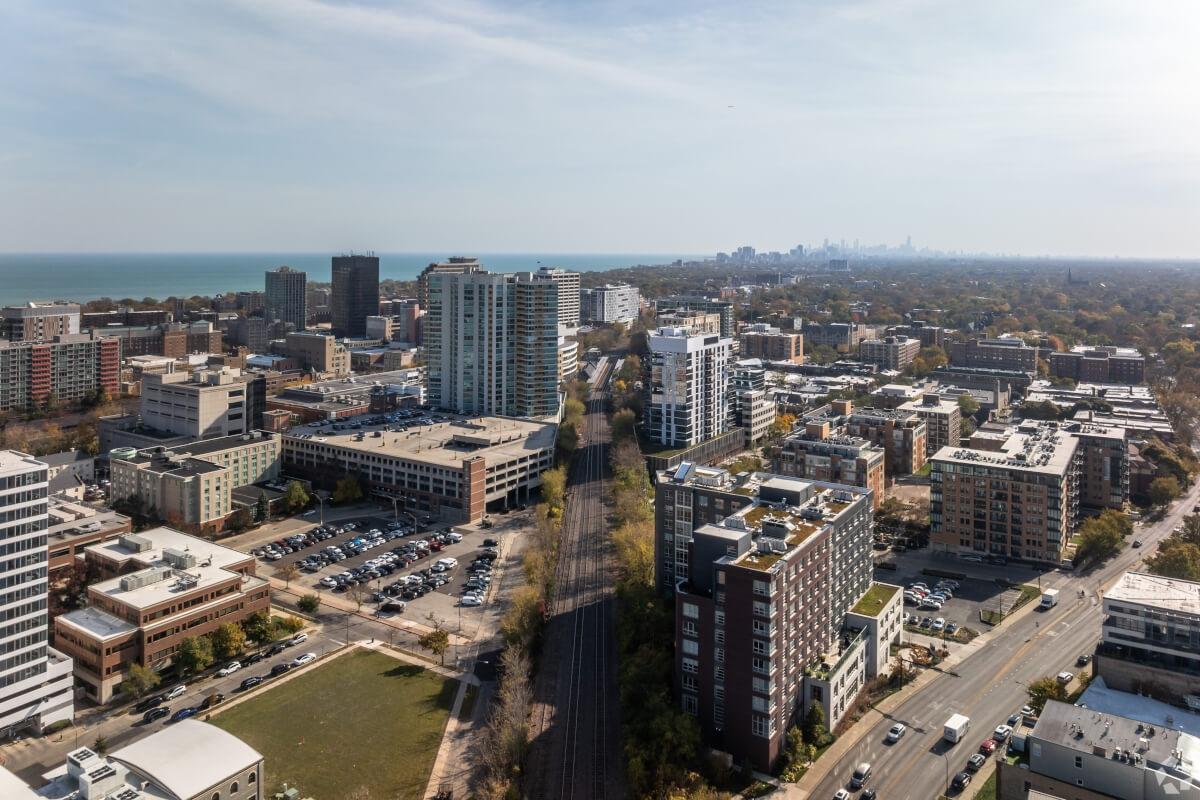
The suburbs offer a unique appeal that calls to many. Those looking to settle down for a quieter and more spacious life gravitate towards the suburbs. If the advantages of suburban living are much more appealing than those of a city, it might be time to move out of downtown.
Quieter
Suburbs don’t have the amount of traffic or noise that a city does. You can sleep soundly at night without being woken up by the clamor of the city.
Less expensive
The price of rent and the cost of living is typically cheaper in the suburbs or on the edge of a city. If you’re looking to save or are on a budget, then look for apartments in the suburbs.
Lower population density
As the suburbs are less packed compared to cities, you’ll have more space to spread out. The price per square foot is often better as well, meaning your money will go further.
Relaxed lifestyle
There is not as much of a hustle culture in the suburbs. You’ll be able to live at your own pace and enjoy calmness and tranquility.
Cons of Suburban Living
You’ll miss out on a couple of the niceties of cities if you live in the suburbs. You have to decide if the advantages of suburban living are more important than the disadvantages.
Longer commutes
If you work in the city, you’ll have to brave rush hour traffic and longer commute times.
Farther away from amenities
The suburbs are often full of homes and apartments, meaning there are fewer restaurants or grocery stores. These aren’t completely absent, but you’ll have to drive to get there.
Less job opportunities
Since suburbs are primarily residential, there are not as many businesses around. So, you’ll have to widen your search to find work or even relocate if you're placed under a return-to-office (RTO) mandate.
Find the Perfect Home in a City or Suburb on Apartments.com
Whether you decide a suburb or the city is right for you, Apartments.com can help you find your next home. The numerous filters help you narrow down your search to only the rentals that fit your criteria. No matter your budget, what kind of housing you want, or your desired amenities, you can find the perfect match on Apartments.com.
This article was originally published on June 20, 2025 and has been updated.
FAQs
What are the best cities for renters?
Certain cities attract more renters because of factors like cost of living, average rent, availability of home types, and vacancy rates. The U.S. cities that are the most popular with renters are:
- Miami, FL
- New York, NY
- Boston, MA
- Los Angeles, CA
- San Francisco, CA
Should I rent or buy?
Many people are choosing to rent forever as it means less responsibility and less stress. The top reasons people choose to rent are:
- Less stress and responsibility than owning
- Desire for greater flexibility
- Don’t want to be house poor
Ultimately the decision is up to you. Consider the pros and cons of renting vs buying and what you want to make a choice.
Is city living better than suburban living?
Deciding whether city living is better than suburban living depends on your priorities. If you want greater walkability and easy access to entertainment, city living may be better for you. If you want lower rents and a quiet atmosphere, you might be better suited for suburban living. Before moving, think about what is most important to you and let that guide your rental search.
What's the difference between suburbs and downtown?
The difference between the suburbs and downtown is where they are located in a city and their density. The suburbs are usually located on the outskirts of a city, while downtown is located in the city center. Downtown areas offer greater access to entertainment options, job opportunities, and new apartments, which can appeal to renters who want a fast-paced lifestyle.


