

If you've started an apartment search this summer and felt like the good listings vanish before you can even schedule a tour, you're not imagining it. Summer tends to be the busiest stretch of the rental calendar. Leases turn over, new grads hit the job market, and families time their moves around the school year. In 2026, a handful of cities turned that seasonal rush into a full-on scramble.
We dug into the latest market data to find the places where renters face the steepest competition right now: the cities where vacancies are scarce, rents are climbing, and the right apartment can be gone in a matter of days.
Here are the cities with the tightest rental markets, where competition is fiercest, and what it means if you're hunting for a place to call home.
What Does a "Tight" Rental Market Actually Mean?

The term “tight" rental market gets thrown around a lot, but its definition may vary. For the purposes of this article, a tight rental market is one where demand outpaces supply, and you can usually spot one by a few telltale signs:
-
Fewer available apartments. Low vacancy rates mean there simply aren't many open units at any given moment.
-
Low vacancy rates. When listings are scarce, you're rarely the only person who wants the place.
-
Rents are rising, not just holding. In a tight market, landlords have the leverage to push prices up. Therefore, climbing rents are a feature of competition instead of a coincidence.
Put those together, and you get the renter's version of a seller's market: less choice, more urgency, and a need to move quickly when something good comes along.
How We Ranked the Tightest Rental Markets
We started with multifamily, one-bedroom rental data for a Summer 2026 snapshot, then scored each market on the conditions that capture market tightness best:
-
Vacancy rate: the cleanest measure of how scarce apartments are in a given market.
-
Year-over-year rent growth: how much asking rents have climbed over the past 12 months, which signals demand pressure.
-
One important guardrail: only metros with a population of roughly 500,000 or more made the cut. It keeps the list focused on the biggest and busiest rental markets in the United States today.
A quick note on what wasn’t folded into the score: rent-to-income ratios. A market can be tight yet still relatively affordable, so we treat affordability as a separate context rather than a signal of tightness.
Top 10 Cities with the Tightest Rental Markets This Summer
1. San Francisco, CA

-
Average1-bedroom rent: $3,429
-
Vacancy rate: 3.5%
-
Rent growth (YoY): +9.6%
San Francisco claims the crown for the tightest rental market this summer. Vacancy is among the lowest of any major metro, and rents have jumped nearly 10% over the past year. That rent growth is also the steepest climb on this entire list. Being the global epicenter for the artificial intelligence boom and its historical popularity have collided to send asking rents soaring.
Standout stats for San Francisco
-
The average rent in San Francisco is 109% higher than the national average ($1,644/month).
-
To afford the average rent in this city, you’ll want to make about $11,430 per month. That is $137,160 per year.
-
The cost of living in San Francisco is 63.6% higher than the national average. San Francisco residents pay 15.5% more for groceries, 49.4% more for utilities, and 41.3% more for transportation.
2. San Jose, CA
-
Average1-bedroom rent: $2,786/month
-
Vacancy rate: 3.5%
-
Rent growth (YoY): +6.4%
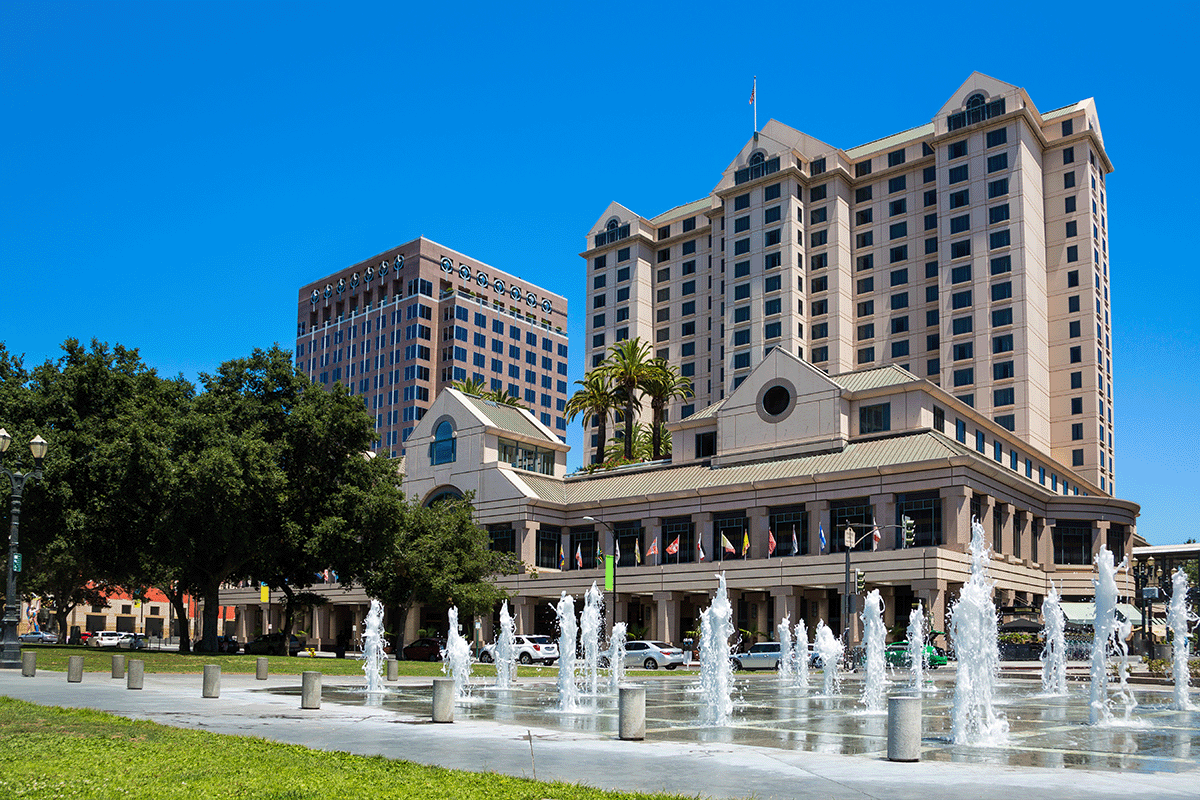
Right next door, the capital of Silicon Valley is nearly as competitive. San Jose’s vacancy rate mirrors San Francisco's, and rents are up more than 6% year over year. The same forces are at work here: strong tech-sector and culture demand chasing a limited number of units.
Standout stats for San Jose
-
The average rent in San Jose is 69% higher than the national average ($1,644/month).
-
To afford the average rent in this city, renters need to make about $9,286 per month, or $11,432 per year.
-
The cost of living in San Jose is 83.9% higher than the national average. Expect to pay 10.4% more for groceries, 42.7% more for utilities, and 36.6% more for transportation.
-
Despite some of the highest rents in the country, the region's high incomes keep the rent-to-income ratio more manageable than you'd guess. The ratio is closer to a fifth of household income.
3. New York, NY

-
Median 1-bedroom rent: $4,172
-
Vacancy rate: 3.1%
-
Rent growth (YoY): +2.6%
New York is the perennial tight market, and 2026 is no exception. It posts the lowest vacancy rate on the list, so barely any apartments sit empty for long. Notably, however, rent growth has cooled to a more modest pace when compared to other major cities on this list.
Standout stats for New York
-
The average rent in New York is 154% higher than the national average($1,644/month).
-
Because the average rent in New York is $4,172, you’ll want to make about $13,906 per month or $166,872 per year.
-
The cost of living in New York is 138.9% higher than the national average. New Yorkers pay 16.3% more for groceries, 17.2% more for utilities, and 18.7% more for transportation.
-
A typical one-bedroom eats up around 41% of median household income. New York by far presents the highest rent burden on this list.
4. Honolulu, HI

-
Median 1-bedroom rent: $1,739
-
Vacancy rate: 4.0%
-
Rent growth (YoY): +2.8%
Island living comes with island math: there's only so much land, and demand never really lets up. Honolulu's vacancy rate stays low year-round, and rents tick steadily upward. It’s easy to understand increased interest when you consider that Honolulu's neighborhoods offer a true urban lifestyle, while also allowing renters to be a short drive away from world-famous beaches.
Standout stats for Honolulu
-
The average rent in Honolulu is only 6% higher than the national average ($1,644/month).
-
Because the average rent in Honolulu is $1,739, hopeful renters should make about $5,796 per month or $69,552 per year.
-
While its rent averages are not drastically higher than the national average, Honolulu is significantly more expensive than many cities. The cost of living in Honolulu is 83.8% higher, which may translate to 31.6% more for groceries, 93.1% more for utilities, and 41.1% more for transportation.
-
For all its reputation as a pricey paradise, the typical one-bedroom takes up only about a fifth of local household income, making it more affordable than many renters might expect.
5. Providence, RI
-
Median 1-bedroom rent: $2,121
-
Vacancy rate: 4.3%
-
Rent growth (YoY): +3.1%
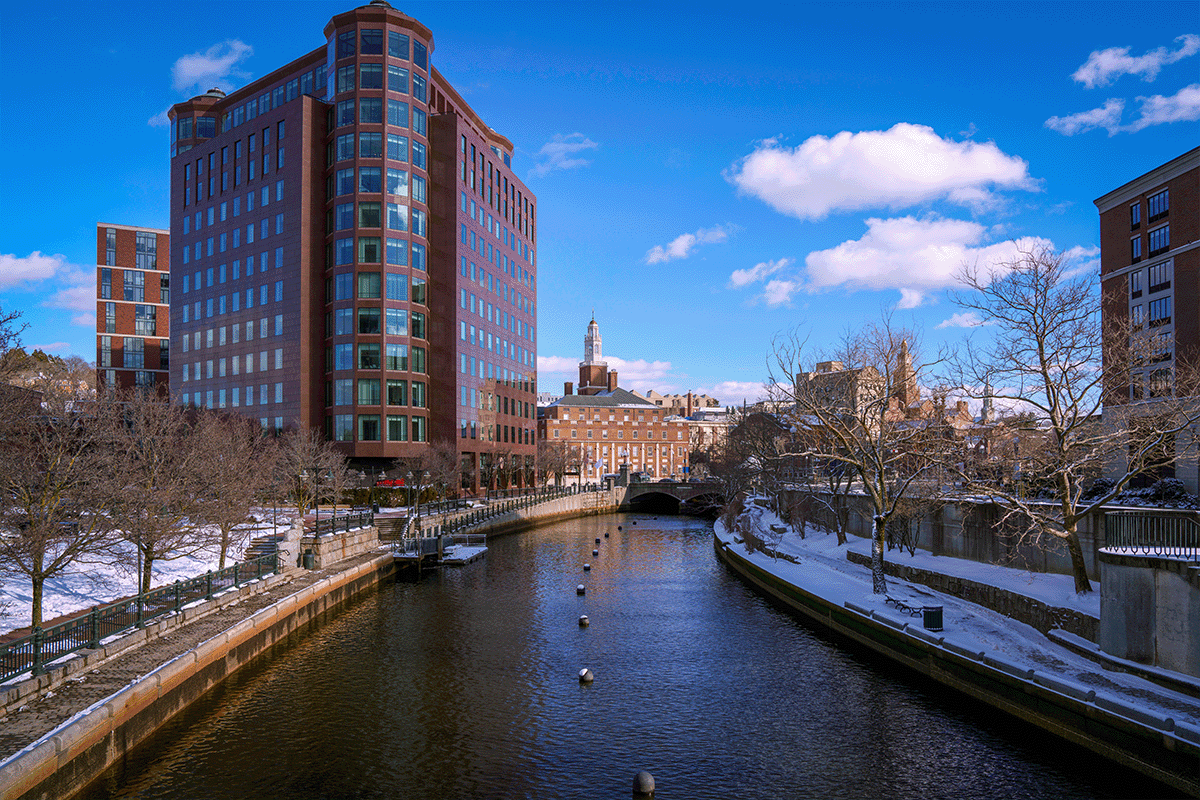
Providence is one of the Northeast's quietly tightening markets. A strong student and new grad population, paired with limited new construction, keeps vacancy low and rents climbing faster than the national pace. Providence is a market that heats up sharply in late summer as the academic calendar drives demand. Renters should start early if they can.
The standout stats for Providence
-
The average rent in Providence is 29% higher than the national average ($1,644/month).
-
To afford the average rent in Providence, a renter needs to make $7,070 per month or $84,840 per year.
-
The cost of living in Providence is 10.6% higher than the national average. On average, renters pay 1.5% more for groceries, 31.0% more for utilities, and 0.7% less for transportation.
6. Albany, NY

-
Median 1-bedroom rent: $1,568
-
Vacancy rate: 4.8%
-
Rent growth (YoY): +3.6%
New York's capital is a sleeper on this list. Albany's state and government employment provides a steady base of demand, while its historic attractions keep it growing. Albany’s modest construction keeps supply from catching up.
The standout stats for Albany
-
At roughly $1,568 a month, the average rent in Albany is 5% lower than the national average ($1,644/month).
-
Because the average rent in Albany is $1,568, you need to make about $5,226 per month or $62,712 per year.
-
The cost of living in Albany is 7.6% higher than the national average. Residents of Albany pay 1.2% more for groceries, 3.3% less for utilities, and 4.6% more for transportation.
7. Norfolk, VA
-
Median 1-bedroom rent: $1,387
-
Vacancy rate: 5.8%
-
Rent growth (YoY): +4.9%
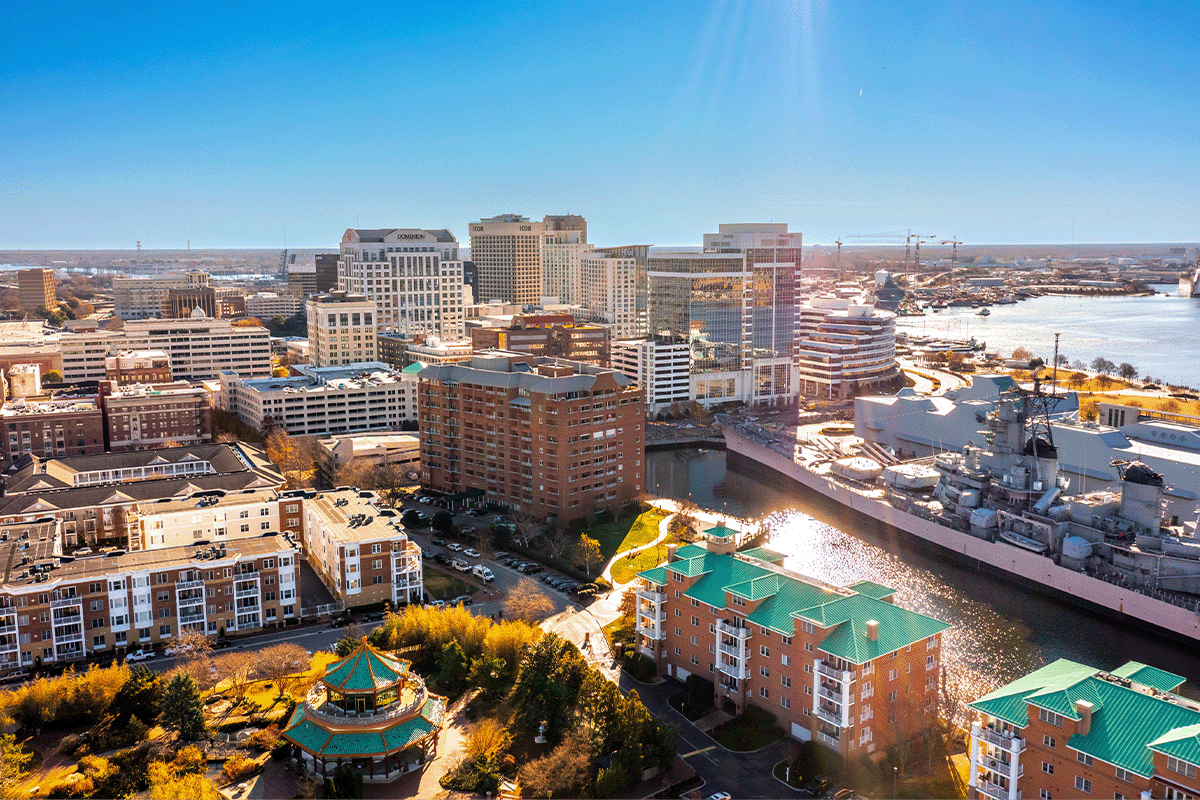
Norfolk is the surprise of the bunch. Anchored by a major military presence and the steady relocations that come with it, the region posts the second-fastest rent growth on the list at nearly 6% year over year. Norfolk draws in many new renters thanks to its maritime heritage, stunning natural landscapes, and being home to the largest naval base in the world.
The standout stats for Norfolk
-
The average rent in Norfolk is $1,387 per month, which is 16% lower than the national average ($1,644/month).
-
To afford the average rent in Norfolk, renters will need to make $4,623 per month or $55,476 per year.
-
The cost of living in Norfolk is 9.3% lower than the national average. Residents pay 0.2% less for groceries, 3.2% more for utilities, and 4.6% less for transportation.
8. Milwaukee, WI
-
Median 1-bedroom rent: $1,216
-
Vacancy rate: 4.5%
-
Rent growth (YoY): +2.8%
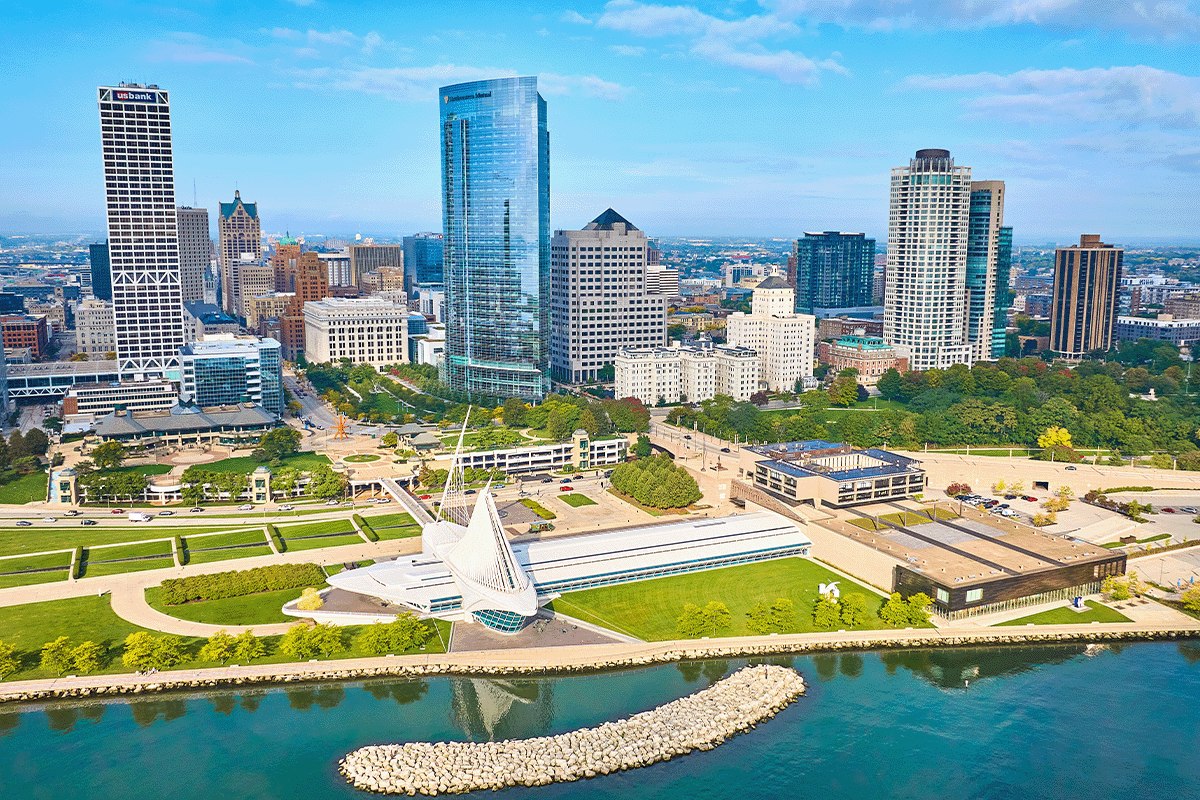
Milwaukee brings the Midwest to this conversation. Low vacancies and steady rent growth make it one of the most competitive markets in the region and one of the most affordable on the entire list.
The standout stats for Milwaukee
-
The average rent in Milwaukee is 26% lower than the national average ($1,644/month).
-
To afford the average rent, you’ll want to make about $4,053 per month or $48,636 per year.
-
The cost of living in Milwaukee is 0.6% higher than the national average. You can expect to pay 0.5% more for groceries, 7.2% less for utilities, and 0.8% more for transportation.
9. Chicago, IL

-
Median 1-bedroom rent: $2,057
-
Vacancy rate: 5.2%
-
Rent growth (YoY): +3.4%
The largest Midwestern metro on the list combines big-city amenities with steady demand. However, Chicago is seeing limited new supply, and rents are climbing above the national pace. Even with its wide range of neighborhoods, the most popular areas move fast. Cast a slightly wider net and you'll find more options.
The standout stats for Chicago
-
The average rent in Chicago is 25% higher than the national average rent price ($1,644/month).
-
Because the average rent in Chicago is $2,057, you’ll want to make about $6,856 per month or $82,272 per year.
-
The cost of living in Chicago is 17.6% higher than the national average. You can expect to pay 3.6% more for groceries, 5.5% less for utilities, and 4.3% more for transportation.
10. Portland, ME

-
Median 1-bedroom rent: $1,922
-
Vacancy rate: 4.4%
-
Rent growth (YoY): +2.6%
Rounding out the list, Portland brings small-city charm and big-city competition. Limited housing stock and growing popularity as a lifestyle destination keep vacancy low and rents firm. Maine's largest city competes with metros many times its size, a sign that desirability drives tightness.
The standouts stats for Portland
-
Portland’s average rent prices are 13% higher than the national average ($1,644/month).
-
Because the average rent in Portland is $1,863, you’ll want to make about $6,210 per month or $74,520 per year.
-
The cost of living in Portland is 14.0% higher than the national average. Expect to pay 1.1% more for groceries, 18.4% more for utilities, and 3.2% more for transportation.
Regions With the Most Competitive Rental Markets

Competition is concentrated on the coasts and across the Northeast, with a Midwestern surprise or two.
California's coastal metros (San Francisco, San Jose) sit at the very top, driven by tech demand and scarce supply. The Northeast shows up again and again (New York, Providence, Albany, and Portland, Maine), a sign that the region's older, supply-constrained housing stock is tightening across both major cities and secondary metros. The Midwest earns its place through Milwaukee and Chicago, where steady demand meets limited new construction. The biggest surprise might be what's missing: the Sunbelt.
Cities Where Rental Competition Is Easing
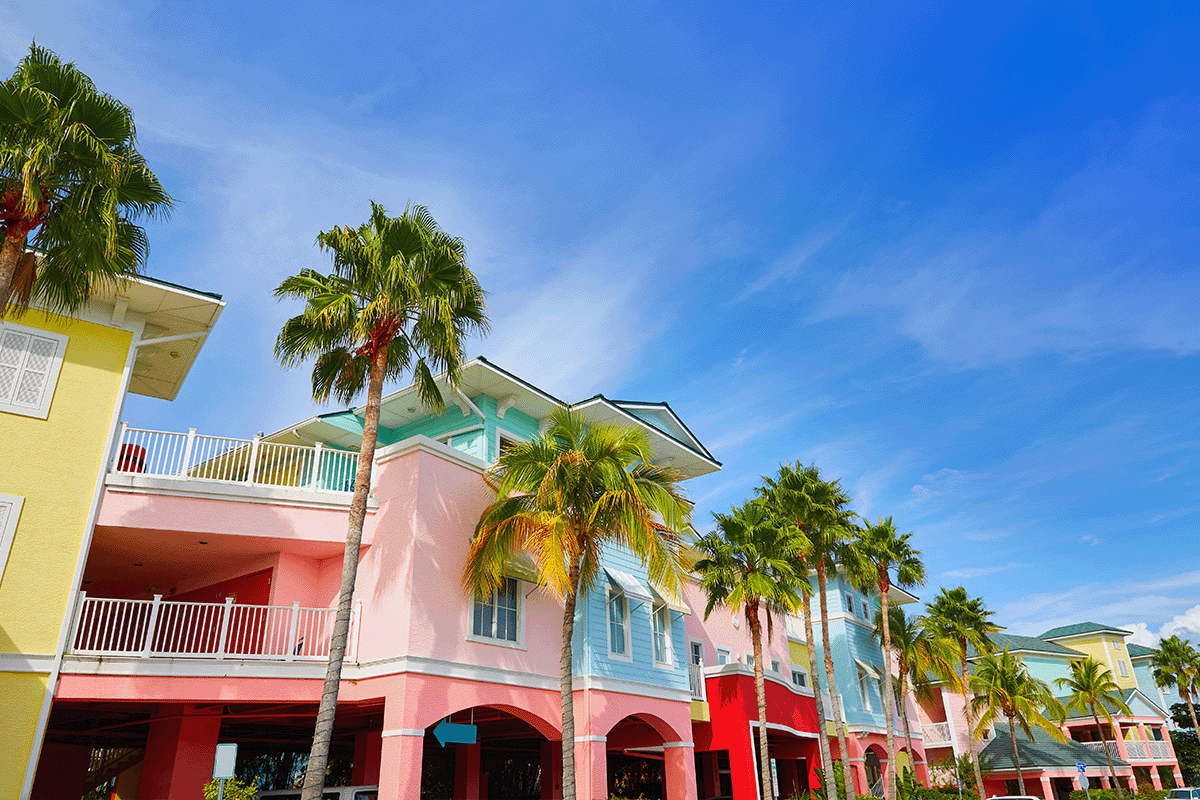
If the tight list skews coastal, the loosening list is unmistakably Sunbelt. Years of aggressive apartment construction are finally catching up with demand, and renters in these metros are getting something they haven't had in a while: leverage.
-
Fort Myers, FL: vacancy near 20% and rents down about 5% year over year, the steepest correction of any major metro.
-
Sarasota, FL: vacancy above 17% with rents down nearly 4%.
-
San Antonio, TX: vacancy around 16% and rents falling roughly 3%, as a wave of new supply outpaces demand.
-
Huntsville, AL: vacancy above 15% as construction races ahead of population growth.
If your job or lifestyle gives you flexibility on location, these are the markets where your dollar and your bargaining position go furthest right now. The common thread is overbuilding: these metros added apartments quickly, and now renters can shop around, negotiate rent, and take their time.
How to Rent in a Competitive Market

Found yourself eyeing one of the tight markets above? A little preparation goes a long way. Here's how to give yourself an edge in a competitive market.
-
Apply early and pre-qualify. The renters who win tight markets are the ones ready to say yes the moment they see the right place. Get pre-qualified so you can move the instant a listing goes live.
-
Have your documents ready. Pay stubs, bank statements, references, photo ID, and a completed application — keep a folder ready to go. When an apartment can rent the same day, paperwork delays could cost you the unit.
-
Stay flexible on move-in dates. Landlords love a renter who can fill a vacancy quickly. Flexibility on your start date can tip a decision in your favor.
-
Build a budget buffer. In rising-rent markets, the listed price is sometimes the starting point, not the final word. Know your true ceiling before you tour, and don't count on much negotiating room when demand is high.
-
Watch for warning signs. Urgency is normal in a tight market; pressure to wire a deposit before you've seen the unit or signed a lease is not. If a "deal" feels rushed or too good to be true, it might be a rental scam. Slow down and verify before you pay anything.
Affordable Alternatives Near High-Demand Cities

Priced out of your first choice? Some of the most competitive metros sit right next to far more breathable ones. A short shift on the map can mean real savings and a little more inventory to choose from.
-
Instead of San Francisco or San Jose, look toward Sacramento, where one-bedrooms run closer to $1,574 with flat rents and meaningfully more availability — roughly half the cost of the Bay Area's core.
-
Instead of Boston or Providence, check out Worcester, MA, or Hartford, CT, both offering more inventory and a gentler price tag while keeping you within reach of the region's job centers.
-
Instead of Norfolk, nearby Richmond, VA offers a similar price point with a far looser market and more room to negotiate.
These trade a slightly longer commute or a little less name recognition for lower rent and a better shot at the apartment you actually want.
Navigate a Tight Rental Market Like a Pro on Apartments.com

When you’re navigating a competitive rental market, it might often feel like you’re looking for a needle in a haystack. But with the right preparation and tools, you've got more control than it seems.
Ready to start? Browse listings on Apartments.com to see what's available in your market, compare rents across neighborhoods and nearby cities, and use our affordability calculator to find the price range that fits your life.
Methodology
Rankings are based on multifamily, one-bedroom rental data for a Summer 2026 snapshot, sourced from CoStar Group. Markets were scored using a weighted index combining vacancy rate, trailing 12-month asking-rent growth, and limited to metropolitan areas with a population above approximately 500,000 to ensure statistical reliability and relevance. Rent-to-income figures reflect annual one-bedroom rent relative to median household income.
FAQs
Which city has the tightest rental market this summer?
San Francisco tops the list, with one of the lowest vacancy rates among major U.S. metros and year-over-year rent growth near 10% — the steepest of any city in our ranking.
What makes a rental market "tight"?
A tight rental market is one where demand outpaces supply. The signs include low vacancy rates, more applicants competing for each unit, apartments renting quickly, and rents that are rising rather than holding steady.
Are rents falling anywhere in 2026?
Yes. Several Sunbelt metros including Fort Myers, Sarasota, and San Antonio, are seeing rents decline as years of new apartment construction finally outpace demand, giving renters in those markets more choice and negotiating power.
How can I compete in a tight rental market?
Get pre-qualified, keep your application documents ready to submit, stay flexible on your move-in date, and be prepared to decide quickly. In the most competitive markets, the best apartments can rent the same day they're listed.


