

The end of the year is a jam-packed time, with Christmas, New Year’s, and festivities galore. Whether you’re staying home or traveling, your calendar fills up with events and relaxation. The last thing you want to do is spend the holidays taking care of renter responsibilities, meaning they often get pushed to January.
However, there’s a strong case for taking care of any apartment-related tasks before the year ends. It gets you ready for the winter and starts the new year on the right foot. Get ahead of the game and start now so that you don’t have to worry about anything during the holidays.
Key Takeaways
- Lease renewal offers often arrive about 90 days before a lease ends, so renters should review their lease terms early.
- Submitting maintenance requests before winter keeps cold weather from worsening heating, draft, or plumbing problems.
- The EIA estimates electric-heated households will spend about $1,196 on heating this winter, compared with $640 for natural gas.
- A year-end apartment deep clean helps renters start January fresh and protect their security deposit.
Review Your Lease
Regardless of when your lease ends, doing a quick end-of-the-year review keeps the most important details top of mind. Review key pieces of info, which can help you decide your next step when your lease end date approaches. Here’s what to review:
- Rental rate
- Lease end date
- Lease terms
- Security deposit
- Late charges
- Maintenance and repairs
- Lease termination/renewal procedures
Check your lease end date

Maybe you already have it in your calendar, but noting your lease end date keeps it from sneaking up on you. It gives you plenty of time to decide whether to renew your lease or move. When making your decision, consider these factors:
- Cost: Compare your renewal rate against similar rentals nearby, and weigh it against the true cost of moving (application fees, a new security deposit, moving expenses, and utility transfers).
- Budget: Decide whether a rent increase still fits your monthly expenses and savings goals.
- Lifestyle: Factor in any changes, like a new roommate, pet, or job, that affect your space or location needs.
- Your apartment: Consider whether the layout and amenities still meet your needs and have lived up to your expectations.
- Property management: Think about how responsive and reliable your landlord or management company has been.
- Neighborhood: Weigh your commute, walkability, and access to the places you frequent most.
Keep an eye out for a renewal letter from you landlord about 90 days before your lease ends as this will contain your renewal rate and any lease term changes. If you’re not renewing, many landlords typically require a notice to vacate letter from the renter 30-60 days before the actual end date. Even if your lease ends in February, March, or later, it’s time to start thinking about your options months in advance to allow ample time for research and consideration.
Go over lease terms
Part of deciding whether to renew making sure your lease terms still work for you. Reviewing them now also helps keep the season full of fun and joy. No one wants surprise fees or a tense conversation with their landlord during the holidays, so revisit the terms most likely to come up:
- Guest rules
- Noise rules
- Decoration policies
- Modification policies
- Parking rules
Revisit Your Budget
Since you’re already revisiting important parts of your spending when you look over your lease, including rent and renewal rates, you might as well go over your entire budget while you’re at it. A common guideline is to spend no more than 30 percent of your budget on rent, which falls within the 50 percent of your budget set aside for necessities, such as utilities, living expenses, groceries, and more. The other 50 percent is divided between wants at 30 percent and 20 percent for savings.
Submit Any Maintenance Requests

Put in any maintenance requests you may have before the cold sets in. Submitting requests early ensures that the weather doesn’t exacerbate maintenance issues. It’s part of being a good renter, and it may be required as part of a maintenance and repairs clause in your lease.
Do a quick walkthrough of your apartment and ensure that everything is operational, paying special attention to winter-specific tasks like:
- Checking that your heater works
- Looking for drafts
- Reviewing the seals on windows and doors
- Looking over your plumbing for any leaks
- Testing smoke alarms and carbon monoxide detectors
Review Your Renters Insurance
Checking your renters insurance policy each year allows you to confirm that your policy reflects your current needs and meets any requirements set by your landlord. The key items to review are:
- Coverage and liability requirements
- Premium and deductible
- Policy details (including occupants and interested parties)
Keep an Eye on Your Utility Bills During the Winter
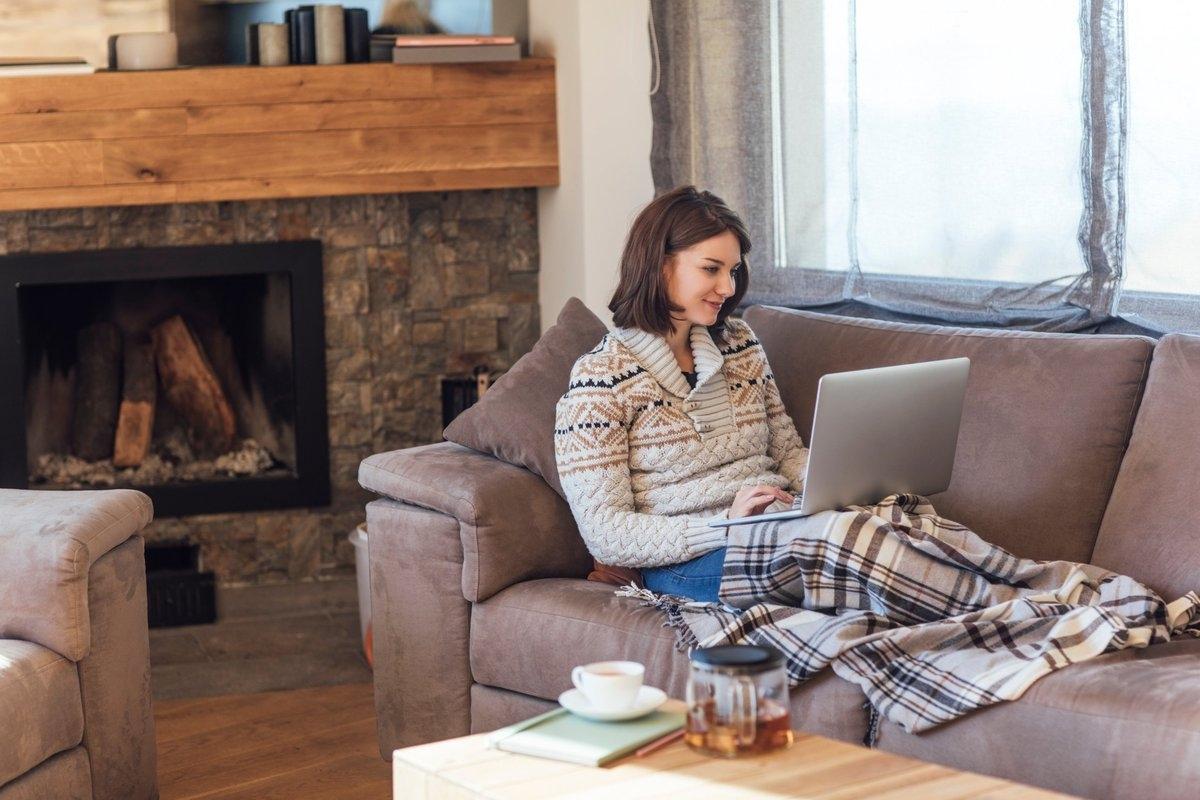
Your energy costs will change during the winter, largely depending on the main heating source for your apartment as well as the climate. The U.S. Energy Information Administration published the 2026-27 Winter Fuels Outlook that estimated the national average cost by primary heating fuel for the season for all households.
|
|
Natural Gas |
Electricity |
|
Total |
$640 |
$1,196 |
|
November |
$111 |
$213 |
|
December |
$140 |
$253 |
|
January |
$146 |
$270 |
|
February |
$128 |
$230 |
|
March |
$116 |
$230 |
These are national averages, so renters may find that their numbers differ. However, they provide a useful baseline. If your bills are quite a bit higher, that could signal a maintenance issue. Averages can also provide a meaningful tool in planning your winter budget.
Renter-friendly ways to keep your bill down
Heating your apartment is necessary to stay comfortable, but if you’re looking to keep your heating bill down, you can drop the temperature a couple of degrees. The minimum recommended temperature is 55°F, but a more ideal one is 68°F.
Saving on your heating bill doesn’t mean you have to be cold. There are many renter-friendly ways to keep your home warm:
- Cover your floors with rugs to trap heat and keep your feet warm.
- Hang heavy curtains or thermal drapes that reach the floor to block drafts and trap warm air near windows.
- Use draft stoppers under doors and weather stripping around frames to seal out cold air.
- Apply a temporary window insulation film kit to trap air between the glass and plastic.
- Push large furniture, like bookshelves or wardrobes, against outer walls for an extra layer of insulation.
- Reverse your ceiling fan direction so it pushes warm air back down into the room.
- Swap in flannel sheets, a down comforter, extra throw blankets, and clothing layers for added warmth.
Before you make these changes, take a little time to thoroughly clean your apartment.
Give Your Apartment a Year-End Reset
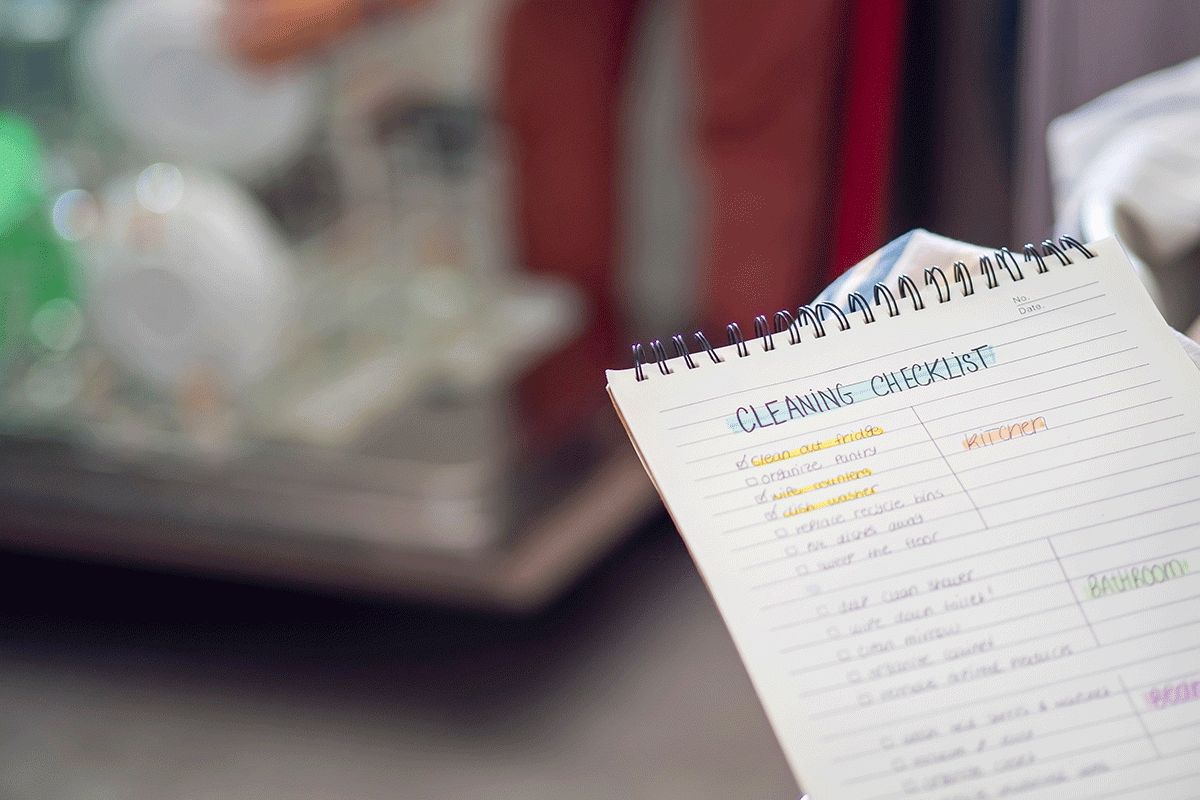
As fall blends into winter and you start prepping for the cold, set aside some time for deep cleaning. It will help you start off the holiday season on the right foot as your space is ready for you to relax and enjoy.
Cleaning before the end of the year isn’t just about starting fresh, though; it’s also about protecting and getting back your deposit. Staying on top of upkeep now keeps your apartment in good condition and keeps small stuff from adding up and eating away at your deposit.
Before you dive in, declutter first as clearing counters, laundry, and surfaces makes the actual cleaning faster and more effective. Gather your supplies, then work room by room:
- Kitchen: Deep clean appliances (dishwasher, fridge, oven, microwave), wipe cabinets and backsplashes, disinfect counters and the sink, and restock an organized pantry.
- Bathroom: Scrub the tub, toilet, and sink, clean grout and mirrors, swap the shower liner if needed, and organize under-sink storage.
- Bedroom: Flip and vacuum the mattress, wash linens and pillows, declutter nightstands and drawers, and dust baseboards and light fixtures.
- Living room: Vacuum furniture (including under cushions), dust electronics and shelves, launder throws and pillow covers, and clean windows and blinds.
- Entryway and closets: Wipe down surfaces and light switches, organize shoes and keys, and add storage bins for a tidier landing spot.
- Finishing touches: Add a candle or diffuser for scent and bring in one new decor piece to round out the refresh.
Find Your Next Place with Apartments.com
Whether your end-of-year review has you ready to renew or ready for a change, Apartments.com makes the next step easy. Compare rental rates, floor plans, and amenities side by side to see how your renewal stacks up against what else is on the market, or start a fresh search for your next home with thousands of listings and detailed neighborhood guides. Start your search on Apartments.com today.
FAQs
When should I start thinking about renewing my lease?
Start about 60 to 90 days before your lease ends, which is when many landlords send renewal offers. Check your lease for a notice clause first, because some require 30 or 60 days’ notice if you plan to leave. Starting early also gives you time to compare local rents and think about your options.
Are renters responsible for winterizing an apartment?
Responsibility is usually shared. Landlords typically handle the heating system, plumbing, and structural repairs. Renters are expected to keep the heat on, report problems quickly, and take simple steps like opening cabinet doors on exterior walls during a freeze. Your lease should spell out who handles what.
How cold is too cold in an apartment?
There’s no magic number that defines what is too cold in an apartment. The general rule of thumb is keeping the temperature at a minimum of 55°F to protect your apartment from damage but setting it to 68°F may be more comfortable.
What do landlords look for when you move out?
Landlords typically inspect for damage beyond normal wear and tear, such as stains, holes, or broken fixtures, along with overall cleanliness. They'll also check for anything you installed or modified. Keeping up with cleaning and maintenance throughout your tenancy, including a year-end reset, can help you avoid surprise deductions from your deposit.


