

According to the U.S. Fire Administration, cooking was the leading cause of U.S. residential building fires in 2024. In an apartment, the risk isn't only yours. Fires can spread across units, putting you and your neighbors at risk.
You can’t control what’s going on next door, but you can make your space safer and know what to do if a fire starts. Luckily, everyday habits can get you there like giving cooking your full attention, keeping working smoke alarms, and knowing proper ways out of your apartment in case of an emergency. These fire safety tips for renters will walk you through common hazards, everyday prevention habits, and emergency planning.
Common Causes of Apartment Fires
-
Cooking: Unattended burners and overheated cooking oil.
-
Heating: Space heaters placed too close to furniture or bedding.
-
Electrical problems: Overloaded outlets, faulty wiring, and damaged cords.
-
Candles: Open flames near curtains or other combustible materials.
-
Smoking: Cigarettes and ashes that aren’t fully extinguished.
Cooking accounted for 46.7% of fires in 2024. While that figure may be scary, you can do a lot as a renter to minimize fire hazards.
Make Your Kitchen Easier to Cook in Safely
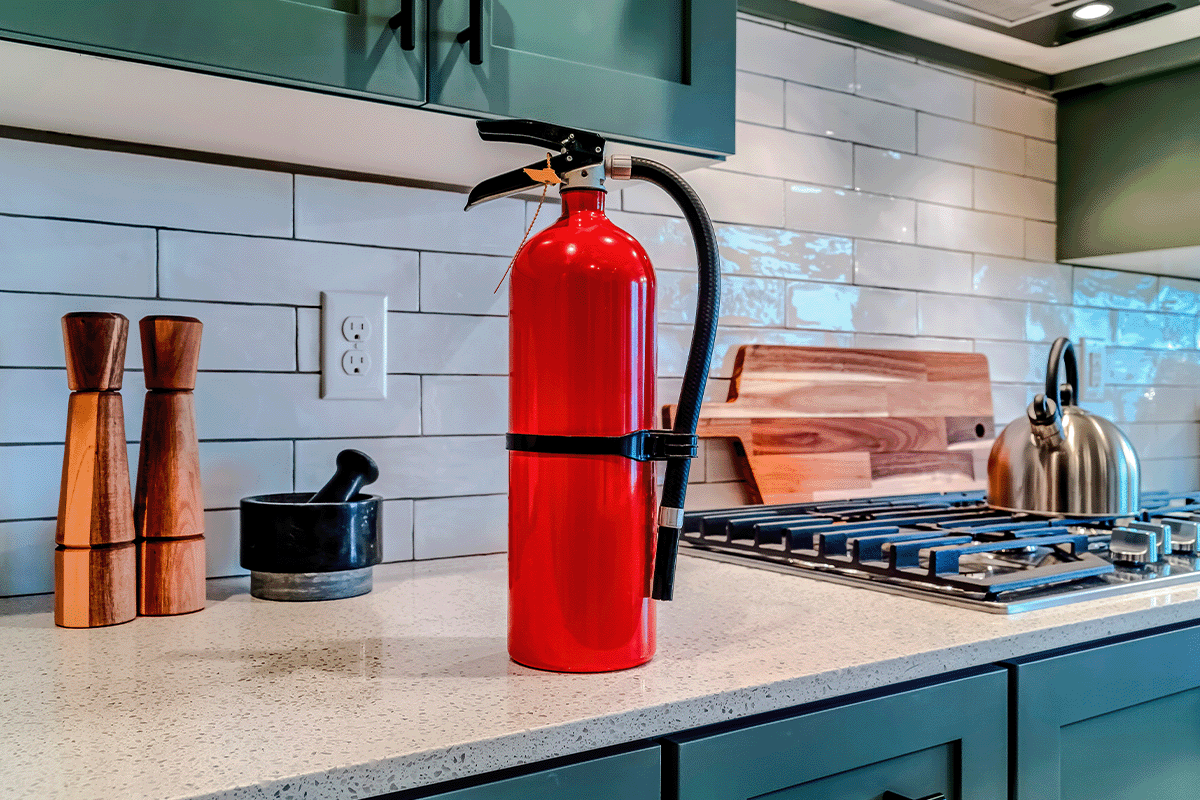
Cooking Safely
Knowing how to prevent apartment fires starts by giving cooking your undivided attention. Use timers for food in the oven, clean grease buildup, and turn pot handles inward. Keep children and pets at least three feet from the stove. Organizing a small kitchen can help keep combustible clutter away from heat.
Keep a metal lid or baking sheet nearby while cooking. If a small pan fire starts and you can act safely, slide the lid over it and turn off the burner. Leave it covered until cool. Never use water on a grease fire or carry a burning pan. For an oven fire, turn off the heat and keep the door closed. If you’re unsure or flames spread, leave immediately and call 911 from outside.
Give Your Stovetop Some Space
The stovetop isn't storage, even when it’s off. In a small apartment kitchen, grocery bags and dish towels can creep toward the burners. Keep anything that can burn away from the stove, including packaging, oven mitts, and wooden utensils.
Stay in the kitchen while cooking. If you need to leave, turn the burner off. A quick trip to collect a delivery can take longer than expected.
Make Smoke Alarm Checks a Monthly Habit
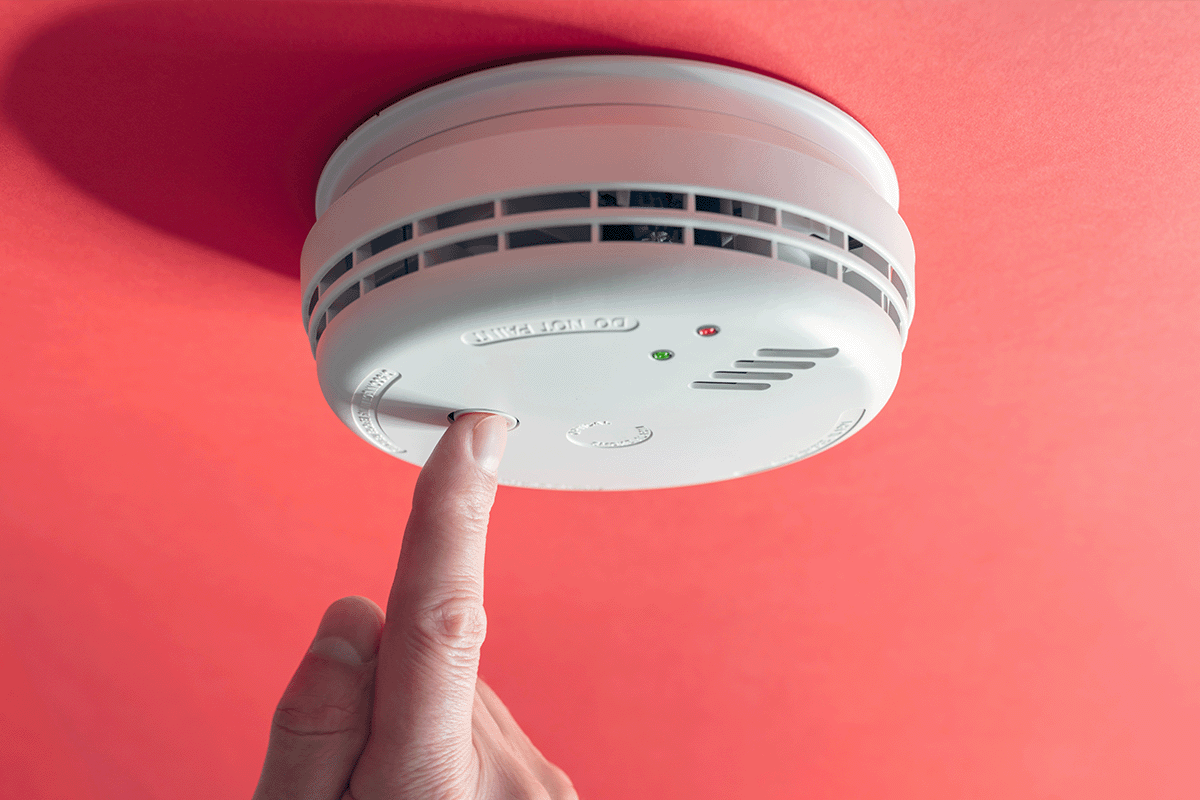
The U.S. Fire Administration recommends smoke alarms inside every bedroom, outside each separate sleeping area, and on every level of a home. The number your apartment needs depends on its layout. Test each alarm monthly using its test button and report missing or malfunctioning alarms to your landlord immediately.
Battery care depends on the model. Alarms with replaceable batteries generally need fresh batteries at least annually. Sealed batteries aren’t designed to be removed. Follow the manufacturer’s instructions, including replacement guidance. Smoke alarms generally need replacing 10 years from their manufacture date.
If an alarm chirps, check its instructions and address the problem promptly. Never disable an alarm to silence it. If someone in your household is deaf or hard of hearing, ask about compatible alert devices, such as flashing lights.
Build an Apartment Fire Escape Plan Before You Need It

Walk through your apartment and identify two ways out of each room where possible, along with the building’s exit stairs. Upper-floor windows aren’t automatically usable exits. Ask management or your local fire department about safe alternatives for your specific layout.
Here are specific tips on planning:
-
Choose an outdoor meeting place away from the building and emergency access routes.
-
Practice getting there with everyone in your household.
-
Count the doors between your apartment and the nearest exit as another way to orient yourself.
-
Sleep with bedroom doors closed to help slow the spread of smoke and heat if a fire starts.
-
Plan who will help children, older adults, pets, or anyone who needs assistance. Teach children how to escape on their own.
-
Include pets in planning. Place dogs and cats on leashes or carriers or keep a hold on them. Frightened animals may bolt in an emergency. However, if a fire strikes, you should never reenter the apartment to retrieve them. Inform firefighters and first responders immediately so they can help. Even if unharmed, a pet left inside exposed to smoke needs emergency veterinary attention.
Know What to Do if a Fire Starts
If there’s a fire in your apartment, alert others and leave immediately if you can do so safely. Don’t stop for belongings. Use these steps, recommended by the U.S. Fire Administration, to guide your response:
-
Check before opening doors. Feel the door with the back of your hand. If it’s hot or smoke is coming around it, keep it closed and use another safe route.
-
Avoid smoke. Stay low if you encounter smoke while escaping. Don’t enter a smoke-filled hallway or stairwell.
-
Close doors behind you. This helps limit the spread of smoke and flames. Activate an alarm pull station on your way out if you can do so safely.
-
Call 911 once outside. Go to your meeting place, tell firefighters if someone is missing, and stay out until authorities say it’s safe.
If you cannot escape, close doors between yourself and the fire, cover door gaps and vents with cloth if available, and call 911. Give your apartment number, floor, and location. Signal from a window with a flashlight or light-colored cloth and follow the dispatcher’s instructions.
Household Tips to Keep in Mind for Fire Safety
Follow the Three Foot Rule for Space Heaters
According to the National Fire Protection Association, space heaters are a leading cause of fires in U.S. homes. They caused about 44,210 fires a year from 2016 to 2020.
Keep portable heaters at least three feet from anything that can burn, including bedding, curtains, and furniture. Set them on a solid, flat surface where they won’t be knocked over.
Plug a space heater directly into a wall outlet, never an extension cord or power strip. Turn it off before leaving the room or going to sleep. If your apartment’s heating isn’t working properly, request maintenance rather than relying on portable heaters indefinitely. Never use an oven to heat your home.
Avoid Power Strip Pileups
When outlets are scarce, adding another power strip can feel like an easy fix. But overloaded outlets and strips can overheat. Never connect one power strip to another and plug major appliances directly into wall outlets.
Replace damaged charging cables, keep cords out from under rugs, and stop using outlets with loose plugs or signs of overheating. But electrical repairs belong to qualified professionals. Report warm outlets, scorch marks, or repeatedly tripping breakers to maintenance promptly.
Keep Decor Away From Flames
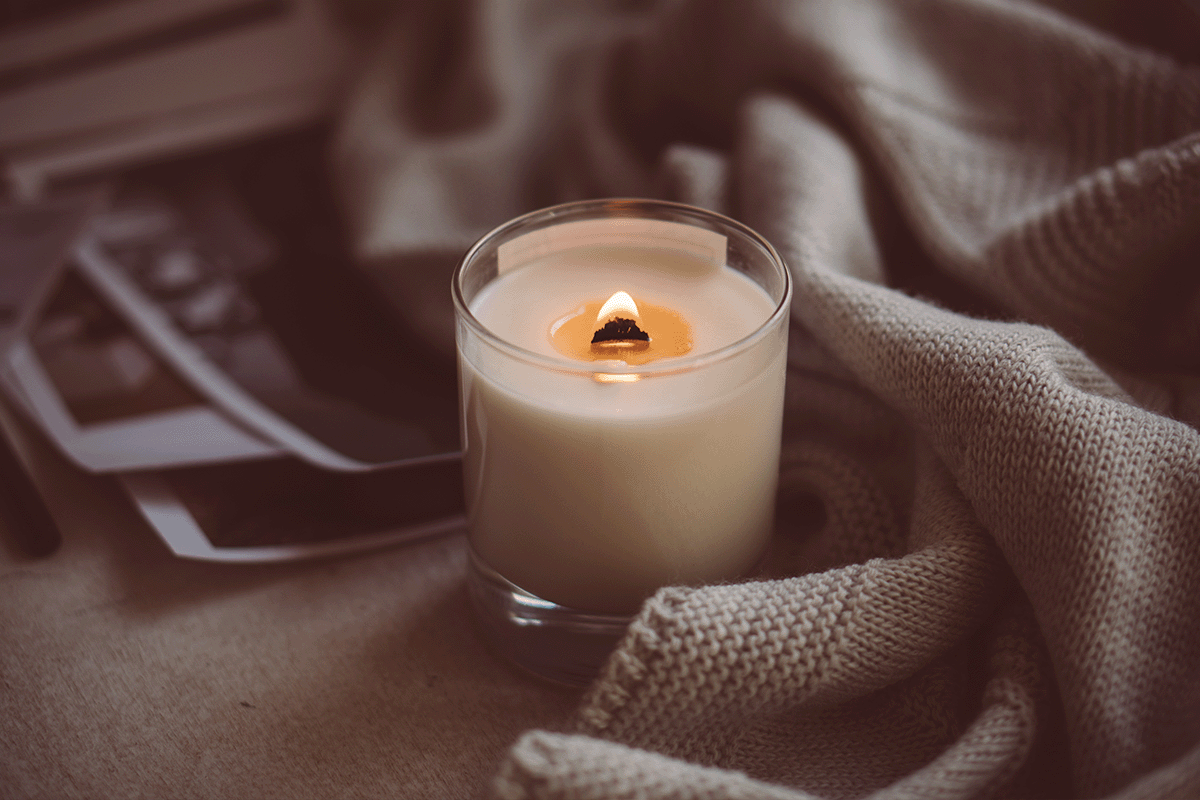
Candles are often a part of cozy decor setups. However, they must be used responsibly. Here are some fire safety tips to help you make the most out of your candle while staying safe:
-
Trim the wick ¼ inch before every burn. An untrimmed long wick creates a larger flame that can flare up unpredictably, increasing the chances of it catching on something.
-
Keep candles in sturdy holders at least 12 inches from anything that burns.
-
Extinguish them before leaving the room or going to bed and avoid using them in sleeping areas.
-
The best ways to put out a candle are using a candle snuffer or a wick dipper.
If this sounds like a lot of maintenance for just one candle, go for a fireless option. Flameless candles offer the same ambiance without an open flame.
If you smoke, follow your community’s rules and use a permitted outdoor location. Use a sturdy ashtray, wet cigarette butts and ashes before disposal, and never toss them into planters or over a balcony. Potting soil can catch fire.
Get to Know Your Building Before an Alarm Sounds
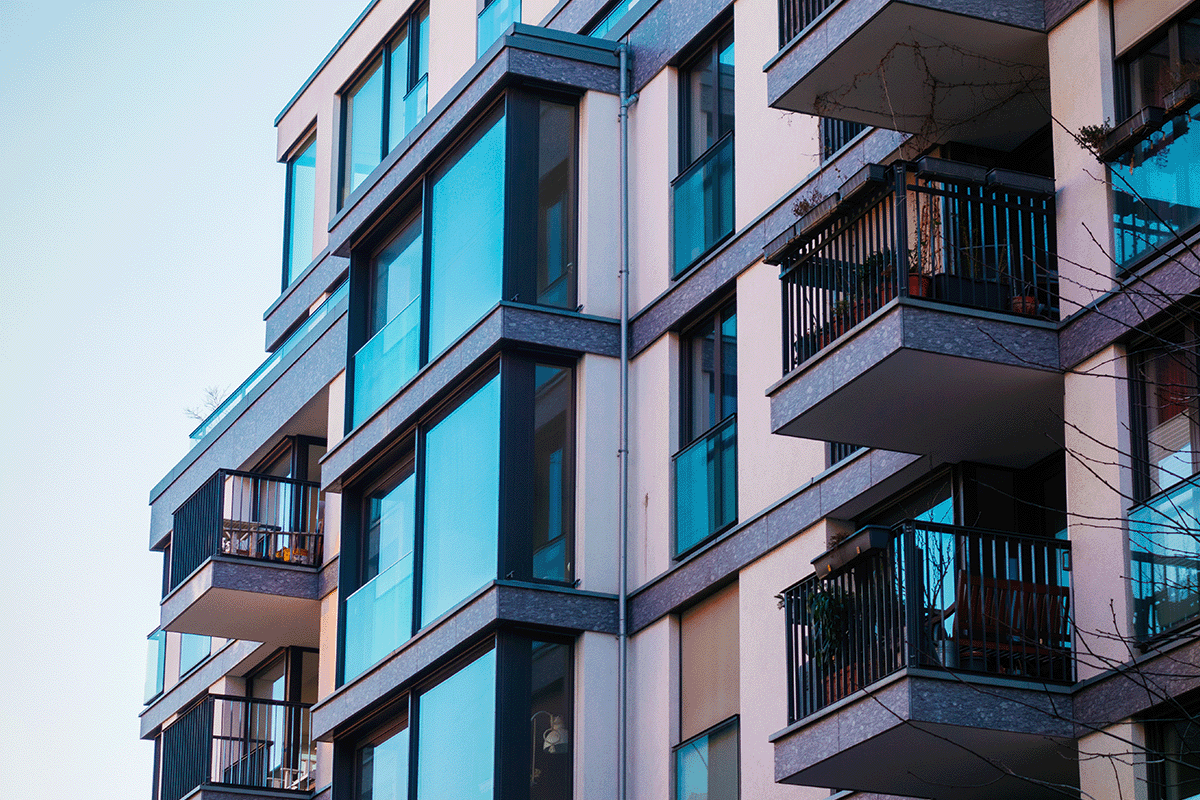
Add fire safety to your questions before signing a lease. Ask about the building’s emergency procedures, alarm system, sprinklers, and evacuation assistance. Learn where exit stairs, alarm pull stations, and fire extinguishers are located.
Apartment fire safety procedures can differ by building, especially in high-rises. Review your building’s plan and follow firefighters’ instructions during an emergency.
Report blocked exits, propped-open fire doors, or damaged safety equipment to management. Follow up in writing, and never wedge a fire door open for convenience.
Understand Your Responsibilities and Those of Your Landlord
Fire safety involves both residents and property management. Landlords generally handle building systems and required safety equipment. Meanwhile, renters help by using their homes safely and reporting problems. Specific duties depend on local law and your lease.
Management typically handles repairs to building wiring, required alarm installations, and maintenance of shared fire protection systems. Your role includes keeping your apartment’s exit routes clear, using appliances correctly, testing alarms as directed, and promptly reporting faults.
Document concerns during your move-in walk-through. If a safety problem remains unresolved, contact your local housing or fire-code enforcement office. For an active fire or immediate emergency, call 911.
Include Renters Insurance in Your Plans
Renters should have renters insurance, even when their lease doesn’t require it. Arrange a policy before moving in or make sure you have one in place if you’re already settled. Review your rental agreement for any insurance requirements.
Fire Safety Tips for Renters Moving In
-
Test every smoke alarm and report missing or faulty units.
-
Find exit stairs, alarm pull stations, and extinguishers.
-
Review the building’s emergency procedures.
-
Practice escape routes and choose an outdoor meeting place.
-
Check appliance cords and keep outlets from being overloaded.
-
Clear combustible clutter away from the stove and heaters.
-
Keep paths to doors and designated fire escapes clear.
-
Arrange renters insurance.
Make Safety Part of Feeling at Home

A safer apartment starts with everyday attention to cooking, working alarms, and a practiced escape plan. Keep these fire safety tips in place wherever you rent. When you’re ready for your next move, explore apartments on Apartments.com and bring your fire safety questions along for the tour.
FAQs
What is the most common cause of apartment fires?
Cooking is a major fire risk in apartments and the leading cause of residential building fires overall. Unattended burners, overheated cooking oil, and combustible items near the stove can create hazards. Stay in the kitchen during stovetop cooking, and turn off the burner before leaving.
How can renters prevent apartment fires?
Renters can prevent apartment fires with everyday habits. Keep combustible items away from the stove, avoid overloading outlets, replace damaged cords, and extinguish candles before leaving the room. Keep space heaters at least three feet from furniture, curtains, and bedding, and turn them off before leaving or sleeping. Report electrical problems to maintenance promptly.
How many smoke alarms should an apartment have?
The recommended number of smoke alarms in an apartment depends on the apartment’s layout. The U.S. Fire Administration recommends an alarm inside each bedroom, outside each separate sleeping area, and on every level of the home. Test alarms monthly, follow the manufacturer’s battery instructions, and report missing or malfunctioning alarms to management immediately.
What should I do if a fire starts in my apartment?
Alert everyone and leave immediately using a safe route. Close doors behind you, use the stairs, and call 911 once outside. If heat or smoke blocks your escape, keep doors closed between yourself and the fire, call 911, and give your exact location. Never reenter until authorities say it’s safe.


