

In competitive cities, you’ll face high rent prices, quick turnaround times, and low availability. However, you can find the perfect home no matter how competitive the city is, as long as you are prepared and employ helpful strategies. Here are some of the most competitive rental markets for 2025.
The most competitive rental markets in 2025 were:
- San Francisco, CA
- Milwaukee, WI
- New York, NY
- Chicago, IL
- Santa Ana, CA
- San Jose, CA
- Minneapolis, MN
- Seattle, WA
- Reno, NV
- Anaheim, CA
Methodology
To identify the most competitive rental markets in 2025, we evaluated cities using a weighted set of indicators that reflect rental demand, rent prices, and availability. Each metric was weighted based on its impact on market competitiveness. The analysis included the following metrics:
- Average rent
- Year-over-year rent change
- Vacancy rate
- Year-over-year vacancy rate change
- Year-over-year change in renter search activity
These indicators were selected as they provide a snapshot of the current state of the market as well as how it has changed. All cities were then scored based on the rank they were awarded due to those factors.
What a Competitive Rental Market Means for Renters
In highly competitive cities, renters face high rents, limited apartments, and the pressure to jump on availabilities. Understanding this landscape allows renters to set realistic expectations and tailor their search strategy to land a rental they love.
San Francisco, CA

- Average Rent in the US: $1,623/month
- Average Rent in San Francisco: $3,158/month
- Vacancy Rate: 5 percent
- Rent Change YoY: 6.3 percent
- Vacancy Rate Change YoY: -2 percent
Why San Francisco’s rental market is so competitive
The AI boom in San Francisco skyrocketed the competitiveness of the rental market. It drew renters back to the area, caused vacancy rates to plummet, and dramatically increased rents. Construction in San Francisco struggled to keep up with demand, further exacerbating the situation, and the imbalance persists even today. Many renters stay renters as high mortgage rates and a lack of single-family homes pose homeownership challenges.
Milwaukee, WI

- Average Rent in the US: $1,623/month
- Average Rent in Milwaukee: $1,178/month
- Vacancy Rate: 6 percent
- Rent Change YoY: 2.3 percent
- Vacancy Rate Change YoY: 0 percent
Why Milwaukee’s rental market is so competitive
The supply wave of newly constructed apartments in Milwaukee crested while demand remained elevated, leading to a more competitive market. The Midwestern lifestyle, affordability, and professional and educational opportunities continue to draw renters to the city. Apartment demand was further bolstered by high mortgage rates and a lack of available homes, which shows no sign of change in the near future.
New York, NY

- Average Rent in the US: $1,623/month
- Average Rent in New York: $4,028/month
- Vacancy Rate: 3 percent
- Rent Change YoY: 3.1 percent
- Vacancy Rate Change YoY: 0 percent
Why New York’s rental market is so competitive
New York is known for being one of the toughest rental markets in the country with its limited new supply and strong renter demand. The city has continuously struggled with a lack of housing, especially affordable housing, even amidst efforts to ease the situation. While new construction is always underway, it is not enough to satisfy the demand. As job opportunities and lifestyle increased renter interest in the city, rental demand stayed high.
Chicago, IL

- Average Rent in the US: $1,623/month
- Average Rent in Chicago: $1,958/month
- Vacancy Rate: 4 percent
- Rent Change YoY: 4.3 percent
- Vacancy Rate Change YoY: -2 percent
Why Chicago’s rental market is so competitive
Rental demand consistently outpaces supply in Chicago, causing it to be a highly competitive market for renters. Construction activity was not nearly enough to meet the demand, and the apartment inventory was already undersupplied to begin with. This led to vacant apartments being snapped up in days, if not hours, and rising rent prices. However, demand doesn’t waver as the city is a powerhouse of innovation, opportunity, and education.
Santa Ana, CA
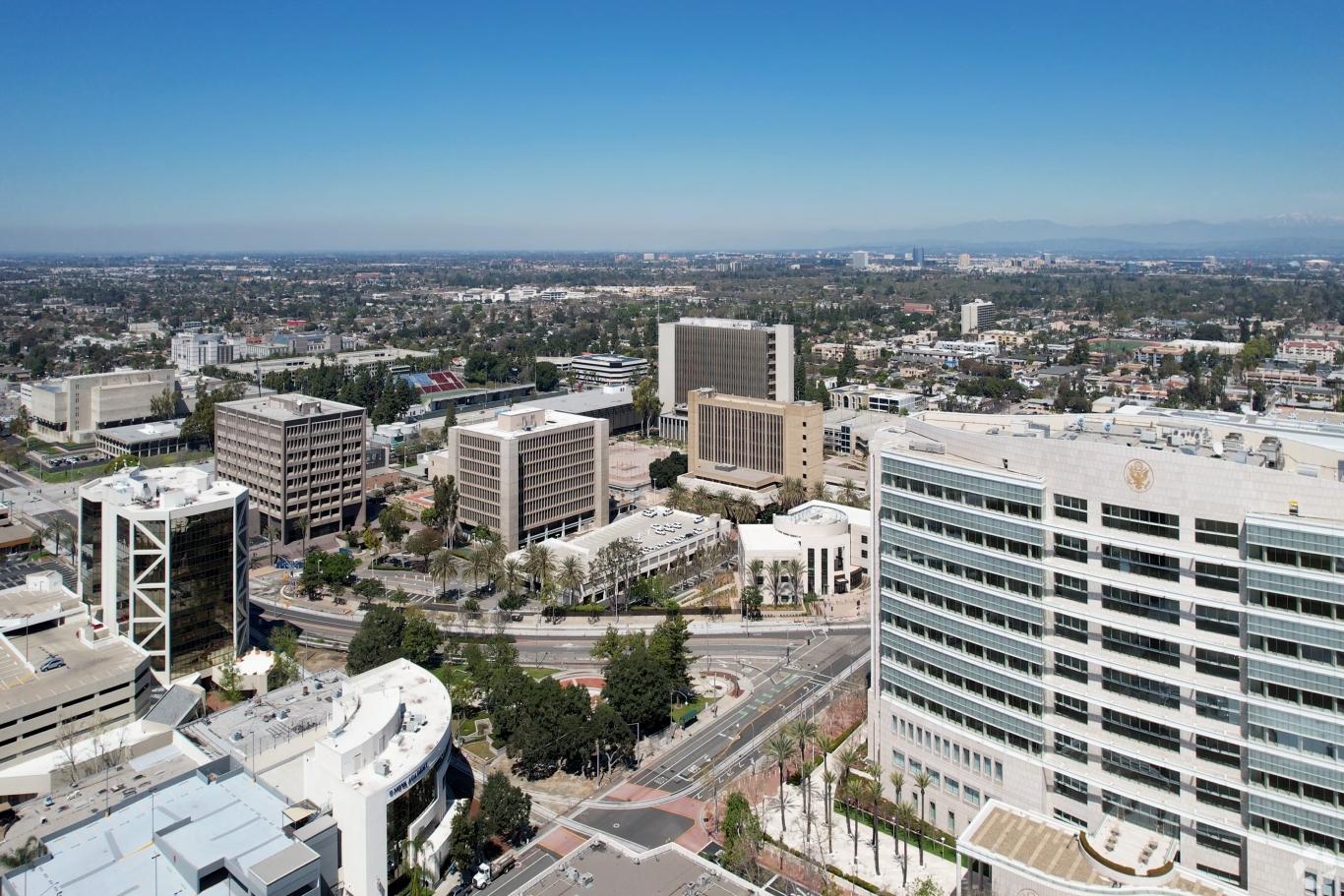
- Average Rent in the US: $1,623/month
- Average Rent in Santa Ana: $2,222/month
- Vacancy Rate: 4 percent
- Rent Change YoY: 2.1 percent
- Vacancy Rate Change YoY: -3 percent
Why Santa Ana’s rental market is so competitive
Santa Ana, and the encompassing Orange County, is a hotspot for renters. The city has seen consistent population growth, which the rental market inventory has not been able to expand quickly enough to match. This led to one of the largest vacancy rate drops on this list. A strong job market, better affordability and cost of living, climate, location, and great quality of life fuels demand, especially when compared to nearby Los Angeles.
San Jose, CA

- Average Rent in the US: $1,623/month
- Average Rent in San Jose: $2,631/month
- Vacancy Rate: 4 percent
- Rent Change YoY: 2.3 percent
- Vacancy Rate Change YoY: -1 percent
Why San Jose’s rental market is so competitive
San Jose experienced the same growth and competition due to the AI boom as San Francisco. Renters flocked to the area, quickly outpacing the available supply of apartments. High home prices and mortgage rates reinforced rental demand while professional opportunities, especially in the tech and AI sectors, reenergized the economy and job market.
Minneapolis, MN

- Average Rent in the US: $1,623/month
- Average Rent in Minneapolis: $1,388/month
- Vacancy Rate: 6 percent
- Rent Change YoY: 2.7 percent
- Vacancy Rate Change YoY: -2 percent
Why Minneapolis’ rental market is so competitive
Minneapolis became one of the top Midwestern cities for renters due to its green spaces, quality of life, and affordability. The resilient job market and job growth are an additional cherry on top. Suburban demand drove most of the demand from renters, as renters focused on affordability, spacious living, and walkable, safe neighborhoods. Even though the city had a surplus of available apartments, a quickly increasing population leased available apartments, causing vacancy rates to drop and rents to climb.
Seattle, WA

- Average Rent in the US: $1,623/month
- Average Rent in Seattle: $2,081/month
- Vacancy Rate: 7 percent
- Rent Change YoY: 2 percent
- Vacancy Rate Change YoY: -1 percent
Why Seattle’s rental market is so competitive
Seattle’s renter demand was miles ahead of available apartments, even with the construction boom that is now slowing. Due to return-to-office mandates, professionals returned to the city in droves, inhabiting downtown neighborhoods with good transit access near major employment hubs. The strong job market bolsters the city’s economy and rental market with high wages and wage growth.
Reno, NV

- Average Rent in the US: $1,623/month
- Average Rent in Reno: $1,452/month
- Vacancy Rate: 8 percent
- Rent Change YoY: 3.1 percent
- Vacancy Rate Change YoY: -1 percent
Why Reno’s rental market is so competitive
Renters trying to find more affordable cities and a lower cost of living flocked to Reno. Companies opening offices and factories in the area caused many workers to follow, giving rise to more jobs. This sudden increase in demand caused apartments to be rapidly leased and rents to rise sharply.
Anaheim, CA
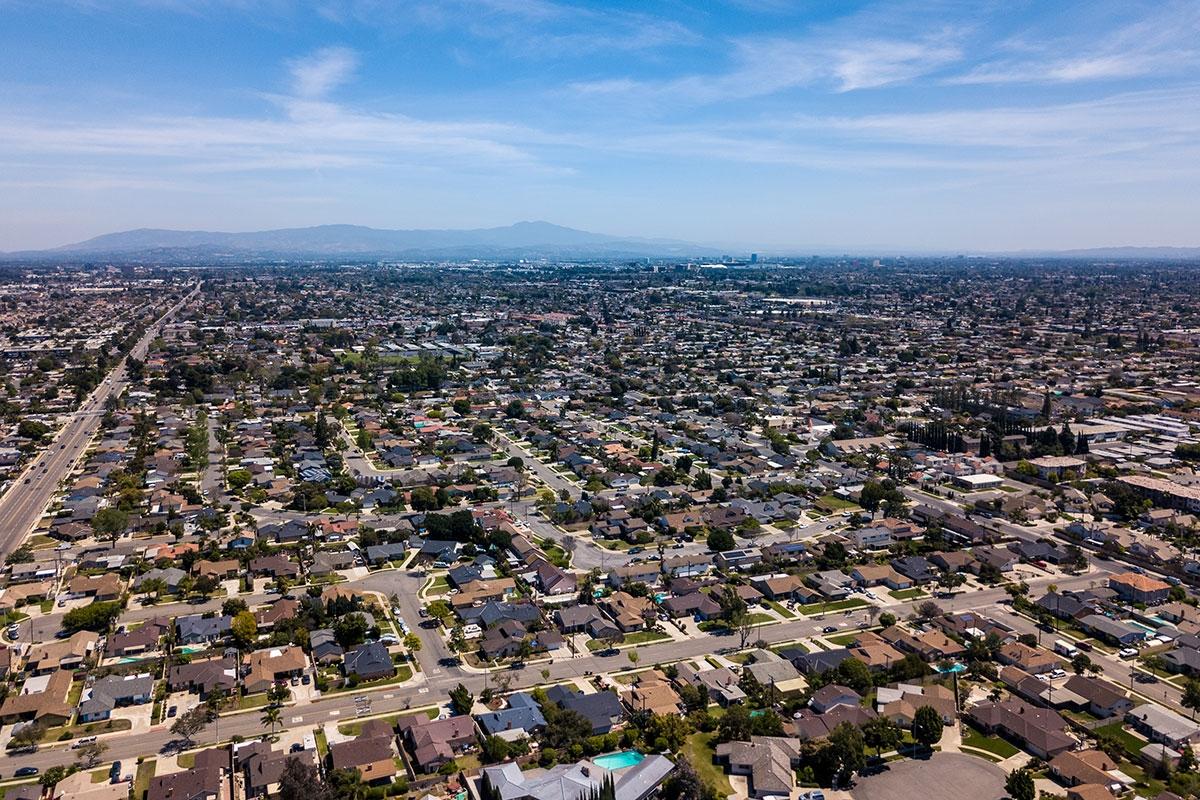
- Average Rent in the US: $1,623/month
- Average Rent in Anaheim: $2,104/month
- Vacancy Rate: 4 percent
- Rent Change YoY: 1.2 percent
- Vacancy Rate Change YoY: -1 percent
Why Anaheim’s rental market is so competitive
Anaheim is just as popular and competitive as Santa Ana, the other Orange County city on the list. Its competitiveness is largely caused by strong demand and limited supply. Houses in Anaheim are more expensive than in Santa Ana, leading to a stronger push toward renting. This doesn’t deter people from moving to Anaheim as the city has a strong job market, great quality of life, beautiful climate, and active lifestyle.
How to Find a Rental in a Competitive Market
While finding an apartment in a competitive market is difficult, there are strategies you can employ to increase your chances and stand out.
- Be visible: Schedule a tour, show up on time and prepared, and make a strong first impression in person or through a self-guided tour if available.
- Be curious: Ask thoughtful questions about the property, pricing, amenities, and timeline to stand out and gather details other applicants may miss.
- Be ready: Respond quickly, have documents and funds prepared, and be ready to explain your move-in timing, finances, and rental history.
- Be flexible: Stay open on features, move-in dates, lease terms, and nearby neighborhoods to improve your chances in a competitive market.
Overview of the Most Competitive Rental Markets in 2025
|
City |
Average Rent |
Vacancy Rate |
Rent Change YoY |
Vacancy Rate Change YoY |
|
San Francisco, CA |
$3,158/month |
5 percent |
6.3 percent |
-2 percent |
|
Milwaukee, WI |
$1,178/month |
6 percent |
2.3 percent |
0 percent |
|
New York, NY |
$4,028/month |
3 percent |
3.1 percent |
0 percent |
|
Chicago, IL |
$1,958/month |
4 percent |
4.3 percent |
-2 percent |
|
Santa Ana, CA |
$2,222/month |
4 percent |
2.1 percent |
-3 percent |
|
San Jose, CA |
$2,631/month |
4 percent |
2.3 percent |
-1 percent |
|
Minneapolis, MN |
$1,388/month |
6 percent |
2.7 percent |
-2 percent |
|
Seattle, WA |
$2,081/month |
7 percent |
2 percent |
-1 percent |
|
Reno, NV |
$1,452/month |
8 percent |
3.1 percent |
-1 percent |
|
Anaheim, CA |
$2,104/month |
4 percent |
1.2 percent |
-1 percent |
Keep Track of Local Rent Trends on Apartments.com
In fast-moving rental markets, staying informed makes a real difference. With Rent Trends on Apartments.com, you can see how rents change by neighborhood, unit type, and month, all in one place.
Whether you’re comparing one-bedroom prices across the metro or watching monthly shifts, these local insights help you understand what’s happening right now so you can set realistic expectations, move quickly, and compete with confidence in even the most competitive markets of 2025.
FAQs
What common trends contribute to competitiveness across multiple cities on the list?
The common trends that contribute to competitive rental markets are limited supply, high demand (often due to job growth or economic booms), high rent prices, and rising costs that keep homeownership out of reach, forcing more people into the rental market and driving up competition.
Are competitive rental markets the same as expensive rental markets?
While expensive rental markets can be influenced by the same factors that cause competitive rental markets, they are not the same. A competitive rental market is defined by high demand and limited availability, which leads to fast-moving listings and multiple applicants per unit. An expensive rental market refers to higher-than-average rent prices.
Some cities are both competitive and expensive, but others are competitive because of low vacancy rates or seasonal demand, even if rents are relatively moderate. Likewise, a high-cost market may feel less competitive if there is ample inventory. Both big and small cities can be expensive and/or competitive.
How early should you start your apartment search in competitive cities?
In competitive cities, start your apartment search two to three months before your desired move-in date. This timeline gives you enough time to monitor new listings, schedule tours quickly, and prepare application materials. Inventory often turns over fast, so being early and organized makes it easier to act as soon as the right apartment becomes available.


