

When temperatures start to dip, it’s your cue to winterize your apartment. A little work now means you’ll stay warm and cozy all season without scrambling to beat the cold, as well as saving money on heating. Follow these apartment winter prep tips to be ready for the season before the first freeze.
Key Takeaways
- Keeping your apartment at 55°F or above, ideally near 68°F, prevents pipes from freezing.
- Renter-friendly fixes like draft stoppers, weather stripping, and window insulation film block drafts without any permanent changes.
- Layering rugs, heavy curtains, and warm lighting adds insulation while making a rental feel cozier.
Winter Safety Tips and How to Keep Your Pipes from Freezing
Part of winterizing your apartment is doing a little winter safety prep. ‘Tis the season to be jolly, not to stress and worry, so keep these tips in mind:
- Keep any space heaters three feet away from anything flammable, put them on a solid surface, and turn them off when you leave or sleep
- Don’t use your oven to heat your apartment
- Ensure that smoke and carbon monoxide detectors are functional (if they aren’t, alert your landlord)
- Be prepared for potential winter storms
- Keep your pipes from freezing by keeping the temp 55°F or above, ideally around 68°F
- Open cabinets under sinks to let warm air reach pipes
- Drip faucets with a thin, steady stream
- Immediately contact landlord or maintenance team if you notice low water pressure or no water at all
These safety basics keep you and your apartment protected, but winterizing doesn’t stop there. Stay warm and cozy with a couple of simple changes to your apartment, from adding extra insulation to making a relaxed atmosphere.
Textiles That Help Manage Heat
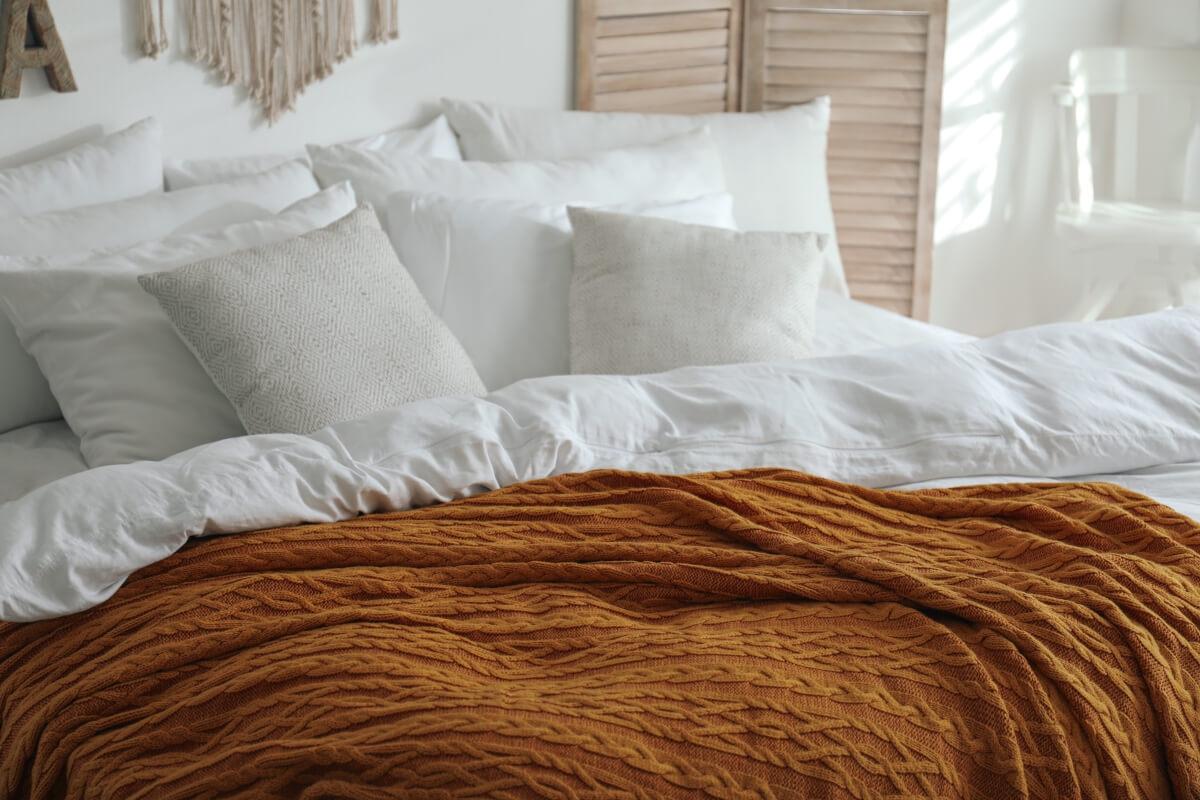
Small touches can turn your apartment into a snug retreat, from plush throws and soft flannel sheets to thick area rugs and heavy curtains. Fabrics and textiles instantly make a space feel cozier and more inviting, while also providing insulation.
Place rugs on floors keep the heat in
Stepping onto an icy floor from a warm bed can send you hopping across the floor as if you’re jumping between ice discs floating in the ocean. A cozy rug not only keeps your feet toasty but also helps prevent heat loss through the floor.
Hang heavy drapes or curtains to add an extra layer of insulation
Windows can let in more cold air than you’d expect, even if they’re double paned. Swap lightweight curtains for heavy drapes or thermal liners to keep the heat where it’s supposed to be: inside. These add an extra layer of insulation by trapping air between the fabric and the glass.
When choosing curtains, look for ones that fully cover your windows and reach the floor. Because cold air sinks, floor-length curtains block drafts and retain warmth better than shorter ones. Honeycomb blinds are another great choice because their design creates a barrier that keeps even more heat inside.
Put tapestries or art on walls to prevent heat loss
While walls don’t let as much heat escape as windows, every little bit matters in the winter. Putting up thick wall hangings, woven tapestries, or even art increases insulation and adds style.
Bring out throw blankets and layered bedding to keep you warm
Fall and winter are the time to snuggle up, so make sure there are thick throw blankets everywhere. Pack away those lighter summer blankets and swap your bedding for flannel sheets and a down comforter. They keep your bed warm and inviting so you can crawl into a cozy cocoon at night. The extra layers keep you from feeling the difference when you turn down your thermostat to save on energy usage and the utility bill.
Seal Windows and Doors with Renter-Friendly Insulation
Prevent a winter of sniffly noses and constant shivers by boosting the insulation in your apartment. There are plenty of renter-friendly ways to keep your space warm, so no permanent modifications are required.
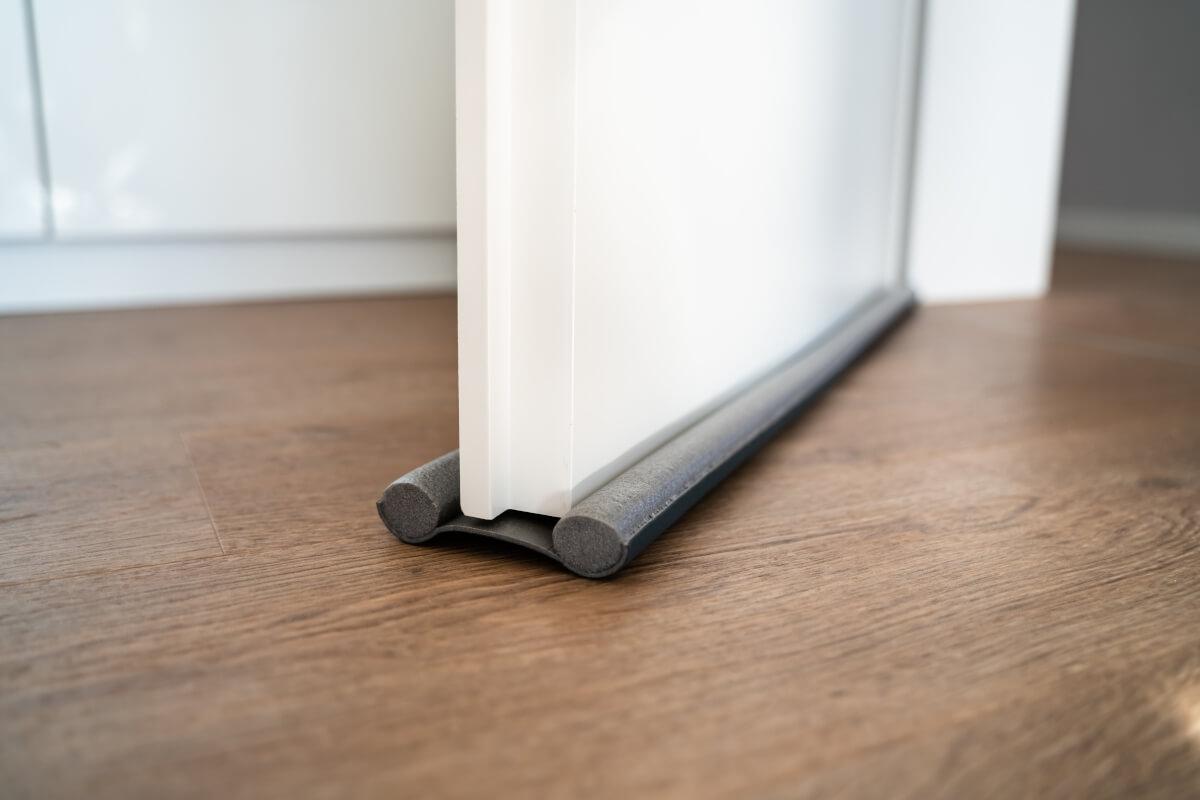
Seal gaps with draft stoppers for doors
Draft stoppers are a staple in northern regions, but they’re useful anywhere that winter brings a chill. They block the gap underneath the door to keep warm air in and cold air out. There are many types of draft stoppers from adhesive plastic strips to weighted fabric stoppers. Some even slip under the door with rolls on both sides for extra insulation.
Keep out drafts with weather stripping
Exterior doors are one of the biggest sources of drafts and heat loss, which is why most have weather stripping around the frame. This thin strip of foam or rubber helps create a tight seal when the door closes. A door sweep covers the bottom gap to complete the seal. You can install weather stripping yourself or ask your maintenance team about it since it might be part of their responsibilities.
Prevent heat loss with temporary window insulation
In addition to curtains, one of the best ways to insulate your windows is with a window insulation kit. This is a plastic film that you tape onto the frame to cover the window (not directly on the glass), then heat until the plastic is taut. Air is a poor conductor of heat, so the trapped air between the window and plastic prevents the warmth from escaping.
Add insulation with furniture
Just like wall hangings help insulate a room, placing furniture against walls can make a noticeable difference in temperature, as well. Larger pieces like bookshelves, wardrobes, or cabinets add an extra layer of insulation since they’re thicker and denser. Avoid putting couches and chairs against outer walls since you’ll feel the chill every time you sit down.
Reverse ceiling fans to push warm air down
Ceiling fans aren’t just for summer as they can help you stay warm in winter too. The trick is reversing the blades so they spin clockwise, which pushes warm air down to where you can feel it.
Cozy Décor Tweaks for a Warmer Vibe
Winterizing is more than just ways to keep warm and safe; it’s also about making your space a comfy haven as winter can feel endless with shorter days and gray skies. Keep the winter blues at bay by turning your apartment into a cozy retreat that lifts your spirits.
Add a cozy glow with mellow lighting
Leave the overhead lights off and turn on the lamps instead. With warm-colored lightbulbs of yellow or orange, they cast a softer glow that instantly makes your apartment cozier. Pick dimmable ones so you can change the intensity of the brightness, turning your space from bright and glaring to moody and snug.
Color-changing bulbs are great not only for creating a cozy atmosphere but also for holiday decorations, as they can turn purple and orange for Halloween or red and green for Christmas. Warm string lights add the finishing touch when draped along a fireplace mantle, bookshelf, stair railing, or wall.
Set the mood with seasonal scents
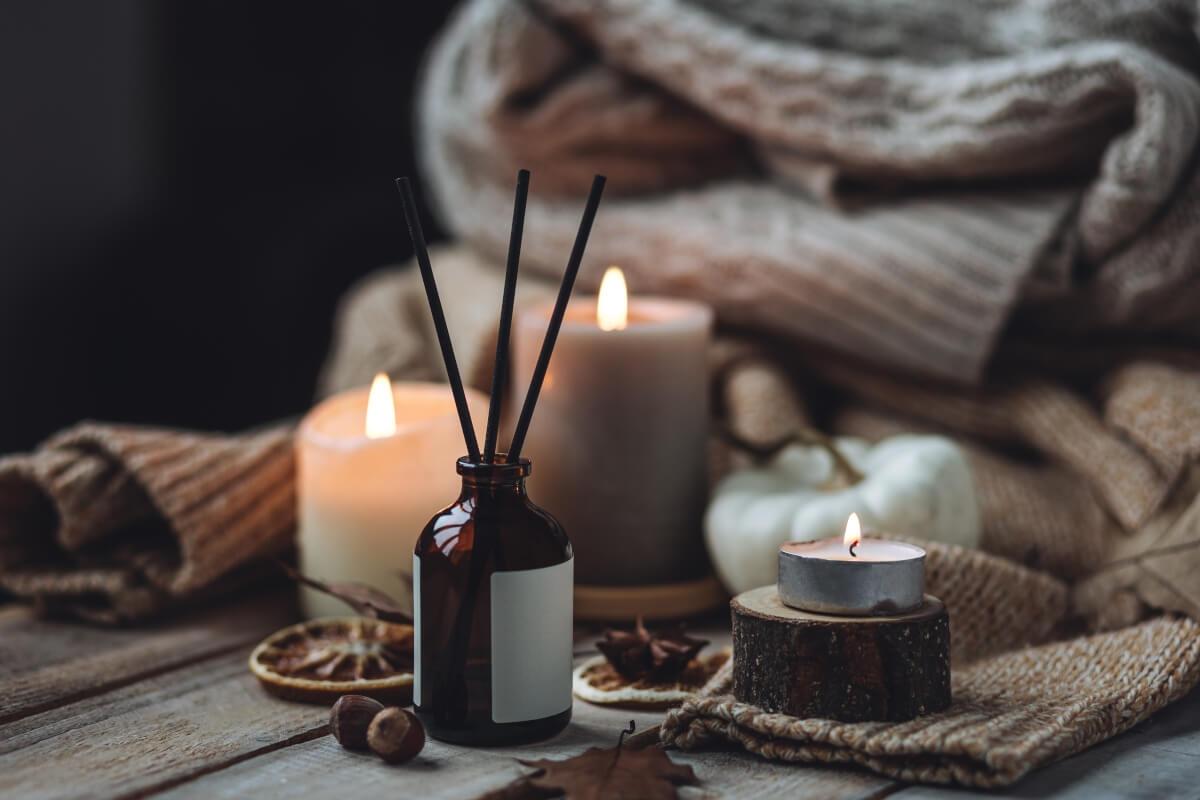
The best part of candles and diffusers is that you can tailor them to the mood you want to bring to your space. Comforting scents like cinnamon or vanilla evoke a comfortable feeling that pairs perfectly with being wrapped in blankets. Fresh, invigorating scents like pine or fir balsam bring a wave of energy that fights off the gray season.
Bring the outdoors in with earthy tones and colors
Match the fall view outside your window by echoing the colors of the leaves. Think burnt oranges, chestnut browns, and sage greens that play off neutral shades of sandy taupe and muted grays. These earthy hues bring autumn indoors and keep it feeling that way even after the leaves are gone.
Smart Swaps for Winter Living
Before the cold arrives is the perfect time to refresh your home and get ready for the season ahead. These easy changes for winter living help you stay toasty and make the most of your space in the coming months.
Create a relaxed space by storing summer items and decluttering
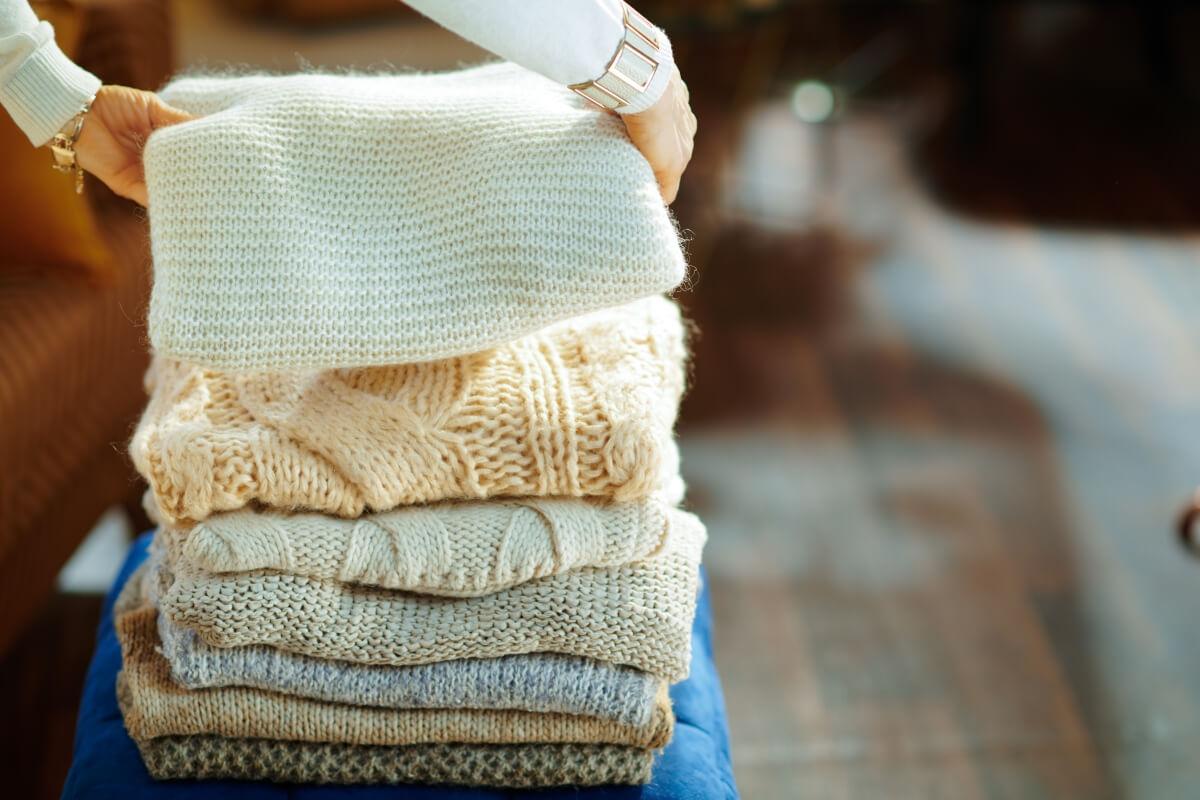
A simple way to make your apartment feel homey is to cut down on clutter. Start by packing away summer items and anything you won’t need for a few months. If space is tight, use small space storage solutions like under the bed storage or vacuum-sealed bags to make the most of every inch. This is a good time to swap out your wardrobe, too. Bring out the cushy sweaters and layers that will keep you warm no matter how low the temperature drops.
Keep warm with electric blankets or heated mattress pads
For an extra dose of heat, try an electric blanket or heated mattress pad. These will keep you plenty warm in freezing temperatures. Just remember to turn them off before falling asleep.
Break out the humidifier to fight dry winter air
Add some moisture to the air inside your apartment with a humidifier as winter air can be quite dry. The Environmental Protection Agency (EPA) recommends an indoor humidity between 30 and 50 percent. Proper humidity levels reduce the risk of damage to your apartment or belongings, as well as support your health and wellbeing.
Stay Warm with Apartments.com
Stay cozy and stylish all winter long with a little help from Apartments.com. From layering textures and warm lighting to seasonal color palettes that brighten gray days, the Renterverse blog can help you create a space that feels as good as it looks. Explore renter-friendly ideas that add comfort and discover how small design updates can make your apartment your favorite winter retreat.
This article was originally published on October 23, 2025.
FAQs
What temperature is too cold for an apartment?
55°F or below is too cold for an apartment as you run the risk of pipes freezing.
Are renters responsible for winterizing?
Landlords generally handle major winterizing tasks, such as sealing big gaps, addressing drafts, and other more permanent alterations. However, there is plenty that renters can do to also winterize their apartment.
What are some renter-friendly methods to seal windows?
Heavy curtains and window insulation film are easy, renter-friendly ways to boost your windows’ insulation and cut down on drafts. If you notice any major gaps or persistent cold spots, let your maintenance team know, as they can handle more permanent fixes like caulking or resealing.
How do you improve insulation as a renter?
Even if you rent, there are plenty of ways to make your apartment feel warmer and better insulated. Add draft stoppers under doors, apply weatherstripping or window insulation film, and lay down thick rugs to block heat loss through the floor. Hanging wall art or woven tapestries can help insulate exterior walls, and placing large furniture against those walls adds another layer of warmth.
Can your pipes freeze if you live in an apartment?
Yes, pipes can freeze in apartments, especially in older buildings or units with poor insulation. To prevent this, keep your heat set to at least 55°F, open cabinet doors under sinks to let warm air circulate, and let faucets drip slightly on very cold nights. If you notice reduced water pressure or no flow, contact your landlord or maintenance team right away to prevent damage from burst pipes.
What temperature should I set my apartment to in the winter?
68°F is a good temperature for the fall and winter as it will keep you nice and warm. Lower it a couple of degrees during the night or when you are away to save energy. The lowest the thermostat should be set is 55°F to prevent your pipes from freezing.


