

Renting in New York is quite different from other cities, as it comes with tons of rules, costs, and rental terms that aren’t found anywhere else. Victor Rodriguez, Senior Director of Market Analytics in New York for CoStar Group, put it this way, “New York’s rental market is unlike anywhere else, shaped by chronic supply constraints, deep demand, and a regulatory environment that directly influences how renters search, compete, and secure housing.”
Even seasoned renters can be caught off guard when faced with the unique landscape of New York’s rental market. From broker fees and rent-stabilized apartments to local terminology and competitive apartment searches, the city’s rental market has a steep learning curve.
Those same systems and rules also create valuable protections and opportunities for renters. Understanding how the New York rental market works can help renters avoid surprises, navigate the process, and make more confident decisions so they can settle in and start enjoying life in the city.
Key Takeaways
- The FARE Act shifted broker fee responsibility to landlords when they hire brokers. Upfront fee transparency is now required, helping renters better compare total move-in costs.
- Rent-stabilized apartments offer predictable rent increases and renewal rights, making them highly competitive, while preferential rent protections ensure renewal increases are based on the discounted rent — not the legal maximum. Rent-controlled units remain extremely rare and are typically inaccessible to new renters.
- Affordable housing options like the NYC Housing Lottery and Section 8 vouchers can significantly reduce rent, but availability is limited and timelines are long.
Understand NYC Broker Fees and the Fare Act

Broker fees have long been one of the biggest stress points for NYC renters. A broker fee is a move-in cost tied to a broker handling an apartment listing. In New York City, brokers often market listings, lead tours, and help manage the application process. Traditionally, that fee has been passed on to the renter, even when the landlord hired the broker.
Before the FARE Act, broker fees were often one of the biggest upfront costs renters faced. They commonly totaled about 15 percent of the annual rent, which could add up to roughly two months’ rent on top of a security deposit and other move-in expenses. While this is a large price, many renters are willing to pay it to secure housing; what they didn’t appreciate was the unexpectedness of it due to a lack of transparency, which is what the FARE Act addressed.
What the FARE Act changed
The FARE Act took effect on June 11, 2025. In plain English, the rule is simple: if the landlord hires the broker, the landlord pays the broker fee. If the renter hires a broker directly for help with the apartment search, the renter is responsible for that cost.
The law also changed fee transparency. Required fees now need to be disclosed upfront by both landlords and their brokers. The new disclosure requirement gives renters a clearer picture of what an apartment may really cost. While the FARE Act has increased transparency, Rodriguez says, “it [the FARE Act] hasn’t fundamentally altered expenses for the overwhelming majority of renters. Renters will pay to secure housing in a low-supply/high-demand market.”
What renters need to know about brokers
A broker can still be a smart choice and worthwhile expense for some renters, especially in a market as fast and competitive as New York City. Brokers can help narrow listings, schedule tours, manage communication, and guide renters through the application process, which can save time and reduce stress during a move. They can also offer local, expert knowledge on neighborhoods, rental trends, and different apartment options across the city.
Another reason some renters choose a broker is expanded access to apartments. Seasoned brokers often have relationships with landlords or property management companies that give them early access to certain rentals before they are widely advertised. In a city where apartments can disappear within days, that extra time can be a major advantage.
Still, using a broker is not the right fit for everyone. Broker fees have traditionally been expensive, some brokers may prioritize higher-commission listings, and renters who prefer to lead every part of the process may find the experience uncomfortably out of their hands. For some renters, the convenience and market expertise are worth the price; for others, searching independently makes more sense. Yet, Rodriguez says, “Despite regulatory changes, broker usage remains strong because competition, not fees, continues to be the defining challenge for renters.”
Rent-Stabilized Apartments and Preferential Rent
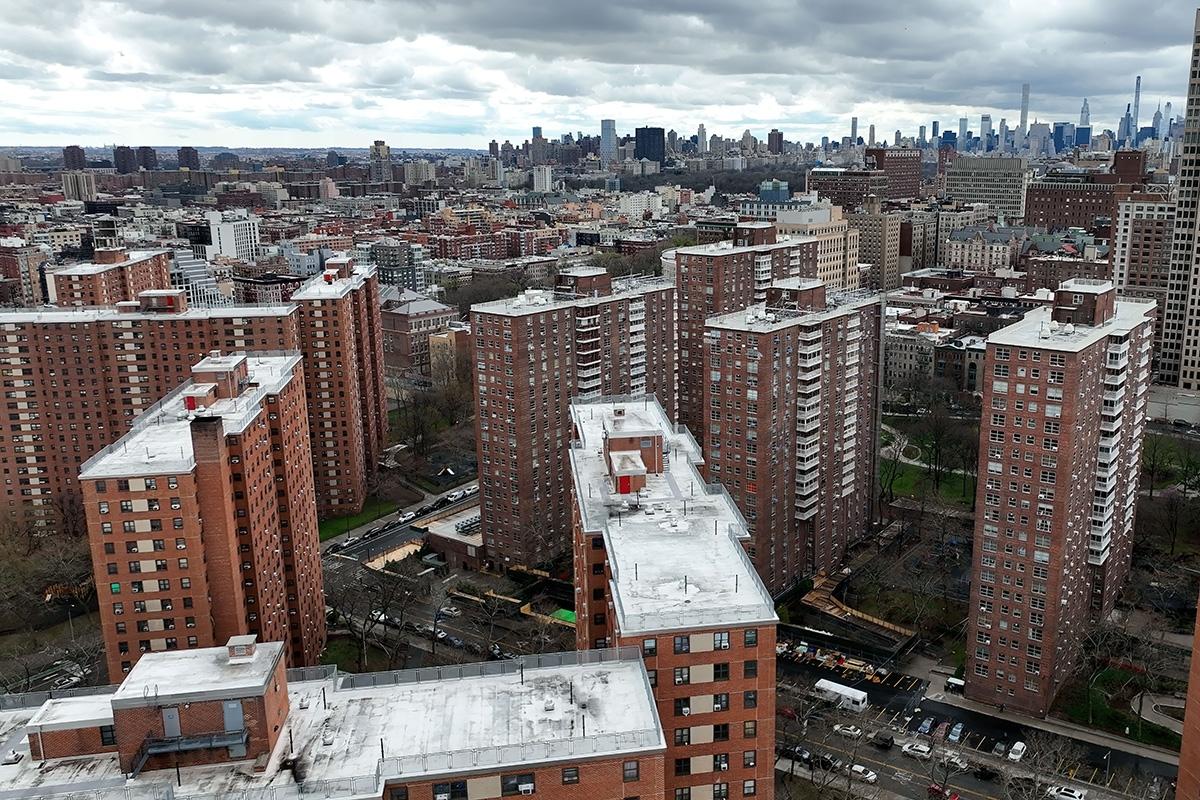
New York renters looking for affordability often hear about rent stabilization and preferential rent during the apartment hunt. These terms affect more than just the price as they impact everything from lease renewals to rent increases, so knowing the ins and outs of different rent regulations helps renters make the most of these opportunities.
How rent stabilization works
Rent stabilization is a form of rent regulation that limits how much a landlord can raise the rent each year. In New York City, those annual increases are set by the NYC Rent Guidelines Board, and renters in rent-stabilized apartments generally have the right to renew their lease for either one or two years with the same terms.
These apartments are in high demand because they offer more predictable rent increases, renewal rights, and additional protections. They are typically found in buildings with six or more units built between February 1, 1947 and December 31, 1973. Some newer buildings may also qualify if they were built or substantially renovated with special tax benefits. Rent-stabilized apartments are competitive, but still a more realistic option for renters, compared to rent-controlled apartments.
Rent control vs. rent stabilization
Rent control and rent stabilization are often grouped together, but they are not the same thing. Both are forms of rent-regulated housing in New York City, but they apply to different apartments and follow different rules.
Rent increases for rent-controlled apartments follow the Maximum Base Rent system, which sets a maximum rent for each apartment and adjusts it every two years based on operating costs. Landlords can still raise the rent, but only within that system and within annual limits set by the city.
Though many desire rent-controlled apartments, the fact is that they are much older and much rarer. According to the NYC Rent Guidelines Board criteria, these apartments must be in buildings built before February 1, 1947, and they must have been occupied continuously by the same tenant since before July 1, 1971. Landing an apartment with rent control in New York is difficult because they are generally tied to long-term occupancy, but can be passed on to a family member or success if that person has lived with the original tenant for two years before their passing.
What preferential rent means
Preferential rent is when a landlord charges less than the legal regulated rent on a rent-stabilized apartment. In other words, the apartment has a higher legal maximum, but the tenant is offered a lower monthly rent instead. Landlords do this to stay competitive with the local market and fill a vacancy faster, even though they are allowed to charge more.
What makes preferential rent important is that it is not just a short-term discount. Renters in these apartments are protected by the Housing Stability and Tenant Protection Act of 2019. That means a landlord cannot take away the preferential rent during the lease or raise the rent to the full legal maximum at renewal just because the lease is ending. Renewal increases must be based on the preferential rent amount and follow rent-stabilization guidelines. However, once a tenant moves out, the landlord may raise the rent up to the legal regulated amount for the next renter.
Affordable-Housing Paths NYC Renters Should Know
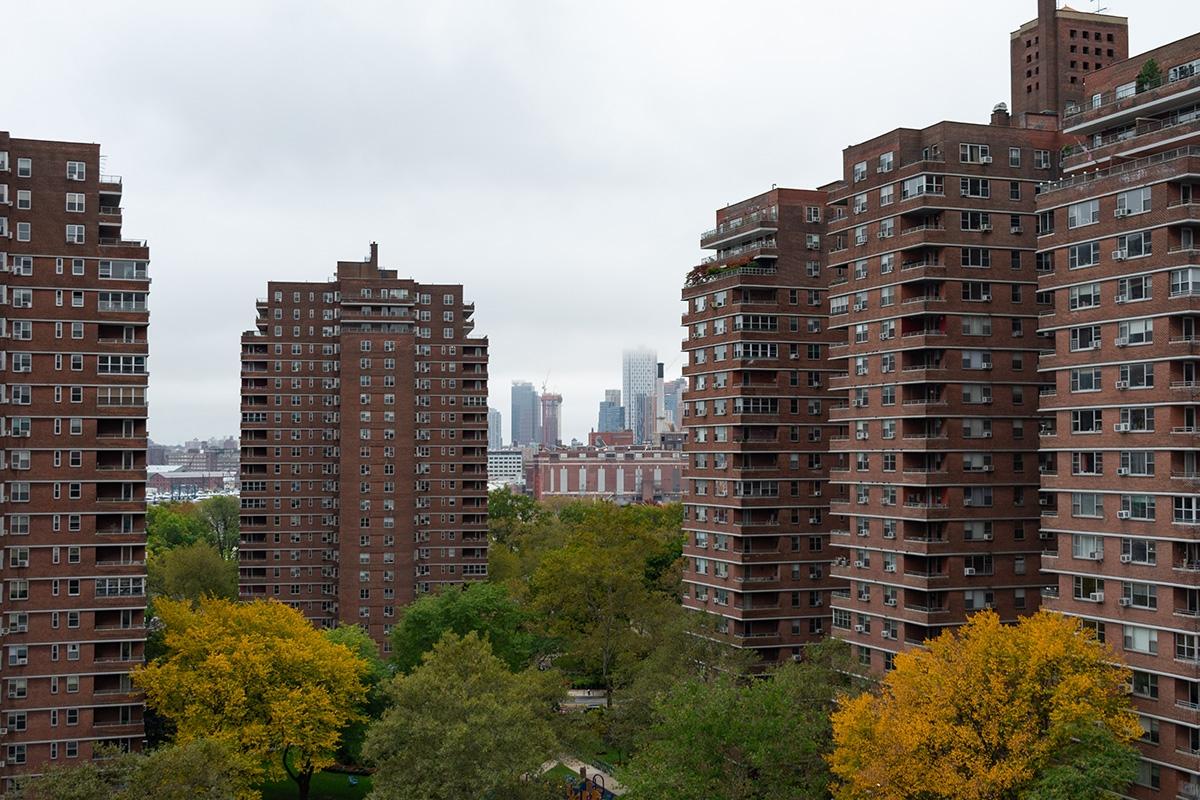
For renters looking for lower monthly costs, NYC has several affordable-housing options that are all worth exploring. These programs each have their own rules, timelines, and eligibility requirements, but they create more affordable opportunities for households that qualify.
NYC housing lottery basics
The New York Housing Lottery, formally called the NYC Housing Connect program, aims to help certain household income levels and sizes find more affordable apartments and co-ops in New York. Many lottery apartments are rent stabilized, which can make them especially appealing for renters looking for more predictable housing costs.
One of the biggest things renters should understand is that the housing lottery is not a single citywide drawing. It is made up of many separate lotteries tied to individual buildings. Each listing has its own requirements, so not every property fits every renter.
The odds of landing a lottery apartment are low, because demand is so high and the number of applicants far exceeds the number of available units. So, renters should go in with realistic expectations and apply to multiple eligible listings. The search also takes time as each step of the process can take months.
Housing choice vouchers/section 8
NYCHA had paused voucher issuance for applicants on the general Section 8 waitlist as of August 1, 2025, and the public waitlist was closed, so timing and program availability are a major part of the process.
The Housing Choice Voucher program, often called Section 8, helps eligible renters cover housing costs in the private market. In New York City, the largest version of the program is run by NYCHA. For voucher holders, the basic structure is straightforward: the renter pays a portion of the rent, and the rest is covered through the program up to certain limits.
Eligibility depends on household income and size, and both the renter and the apartment have to meet program requirements. Rent limits, apartment size rules, utility costs, and inspections can all affect whether a unit is approved, as well as what is covered by the program.
The process can move quickly in some ways and slowly in others. Renters may need to move through waitlists, eligibility reviews, paperwork, inspections, and landlord approvals before they can sign a lease and move in. However, once a voucher is issued, renters have a limited window to find housing.
Additional Consideration for New York Renters
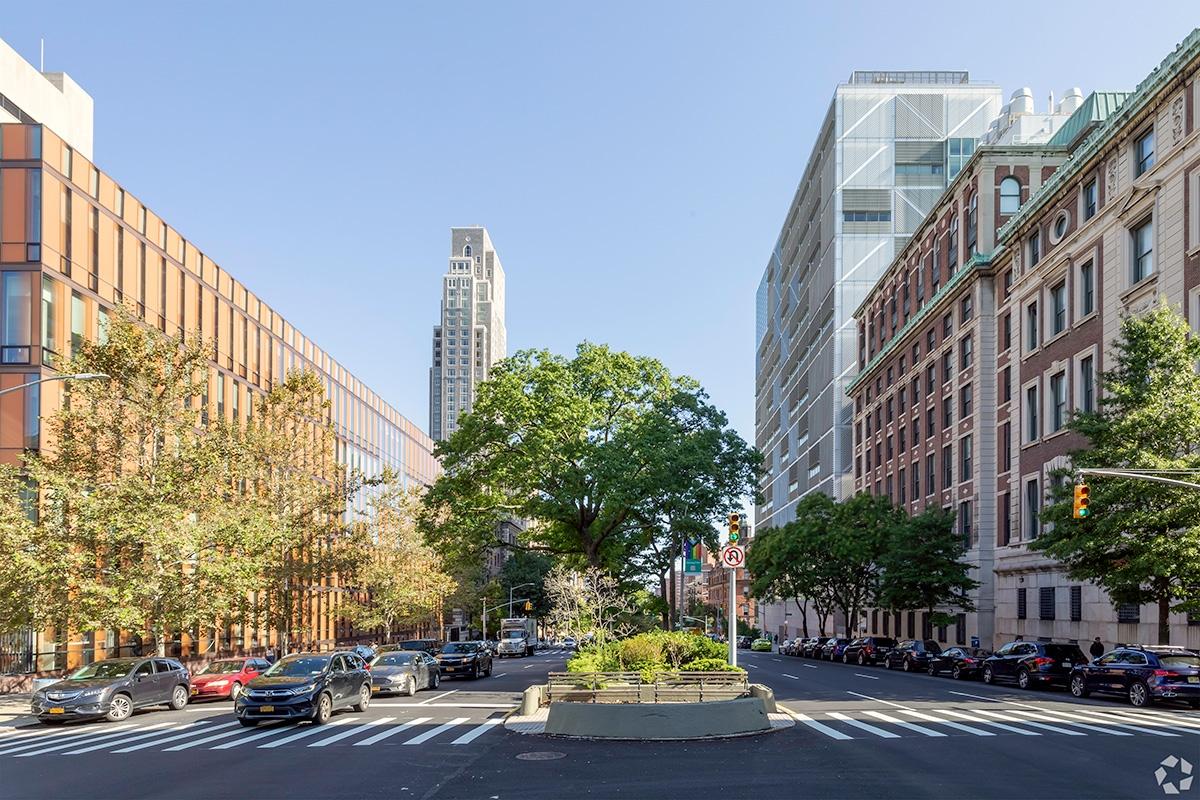
After getting familiar with New York-specific topics like broker fees, the FARE Act, rent stabilization, and affordable-housing programs, it is also worth looking at the practical side of renting in the city. Rodriguez reports, “In recent years, tighter inventory and faster leasing cycles have reshaped the renter experience, making preparation and speed just as critical as budget.”
Even after you understand the rules and options that shape your search, additional considerations, like apartment competition and parking, still have a major impact on your budget, timeline, and renting experience.
Bidding wars for New York apartments
In New York City, apartment competition is intense. Some renters encounter bidding-wars, where they try to submit the highest rent bid in order to get chosen by landlords. Rodriguez has seen that they have become increasingly common in highly desirable neighborhoods over the past couple of years. However, bidding wars can be jarring for any renter used to markets where the listed rent is simply the rent.
Renters can improve their chances by being financially prepared and flexible while being ready to move in at a moment’s notice. At the same time, it is not always smart to compete for every listing. A broader search and better timing can often lead to an apartment you love just as much with less pressure.
Parking: A NYC living consideration renters often overlook
New York is highly walkable with a great public transportation network, so many renters don’t need a car at all. But for those who do, parking can take more time, attention, and money than it does in many other cities.
NYC parking rules are strict, and the city is a tow-away zone for illegally parked cars. Alternate side parking is always in the back of the mind of drivers because cars need to be moved for street cleaning on a regular schedule. It’s not just city-level parking rules as they also vary by property, so it is important to review the lease carefully and understand the parking situation in the community. Regardless of the parking situation, tenants have parking-related rights that go beyond basic parking rules, including rights tied to safety, accessibility, and reasonable accommodations.
Use Apartments.com to Bring More Clarity to Your NYC Search
Understanding the rental market in New York is an important first step, but putting that knowledge to use during your search matters just as much. Apartments.com helps renters compare listings with key considerations in mind, whether that means weighing neighborhood trade-offs, looking for specific amenities, or staying within budget.
Renting in New York comes with a learning curve, but finding an apartment does not have to feel overwhelming. With tools that help renters filter options and compare what matters most, Apartments.com can make it easier to move from research to a place that feels like home.
FAQs
How much is an average apartment in New York?
The average rent in New York is $4,082, as reported by Apartments.com Rent Trends.
How much do you need to make to afford $2,500/month rent in NYC?
To afford $2,500/month rent in NYC, Apartments.com’s Rent Calculator recommends a salary of $8,334 each month, if you follow the guideline of spending 30 percent of your income on rent. However, Apartments.com Cost of Living data suggests that a yearly salary of $171,000 before taxes is recommended to live comfortably in New York. That is a monthly income of $14,250.
Is rent high in NYC?
Rent is high in NYC because it is the most expensive city in the U.S., according to Apartments.com Rent Trends. It is even more expensive than Boston, San Francisco, and Jersey City.


