

Philadelphia, the sixth most populated city in the U.S., is a major city that feels like a collection of small towns stitched together. Locals call it the "City of Neighborhoods" for a reason. If you are thinking about moving here, you will find a place that offers big-city living without the overwhelming price tag of nearby New York or Washington, D.C.
Before you pack your boxes, you need to understand how this unique city works. Read on to learn about Philly’s cost of living, the best neighborhoods, how to get around, and tips for finding your dream home.
Philadelphia’s Cost of Living: Big City Life on a Budget
One of the biggest draws to Philadelphia is its affordability. The overall cost of living is significantly lower than that of other major East Coast cities like Boston and Washington, DC. Plus, you can get a lot more space for your money here.
Rent
You can find everything from luxury high-rises to historic rowhomes. Prices vary wildly by neighborhood. A one-bedroom in a trendy area might cost what a studio costs in other cities.
- Average 1-bedroom rent in Philadelphia: $1,759/month
- Average 1-bedroom square footage: 666 square feet
Utilities
Many older rowhomes may not be energy efficient. If you rent a place with rattling windows or poor insulation, your heating bill in the winter could be higher than you expect.
Taxes
If you live or work in the city, you will be subject to the Philadelphia City Wage Tax. It is deducted directly from your paycheck. The rate is set annually on July 1. As of February 2026, the rate for residents is 3.74 percent.
Groceries
Compared to the national average, renters can expect to pay slightly less for pizza, hamburgers, and potato chips. Conversely, soft drink prices average 24 percent higher than the national average.
Exploring Philadelphia’s Neighborhoods
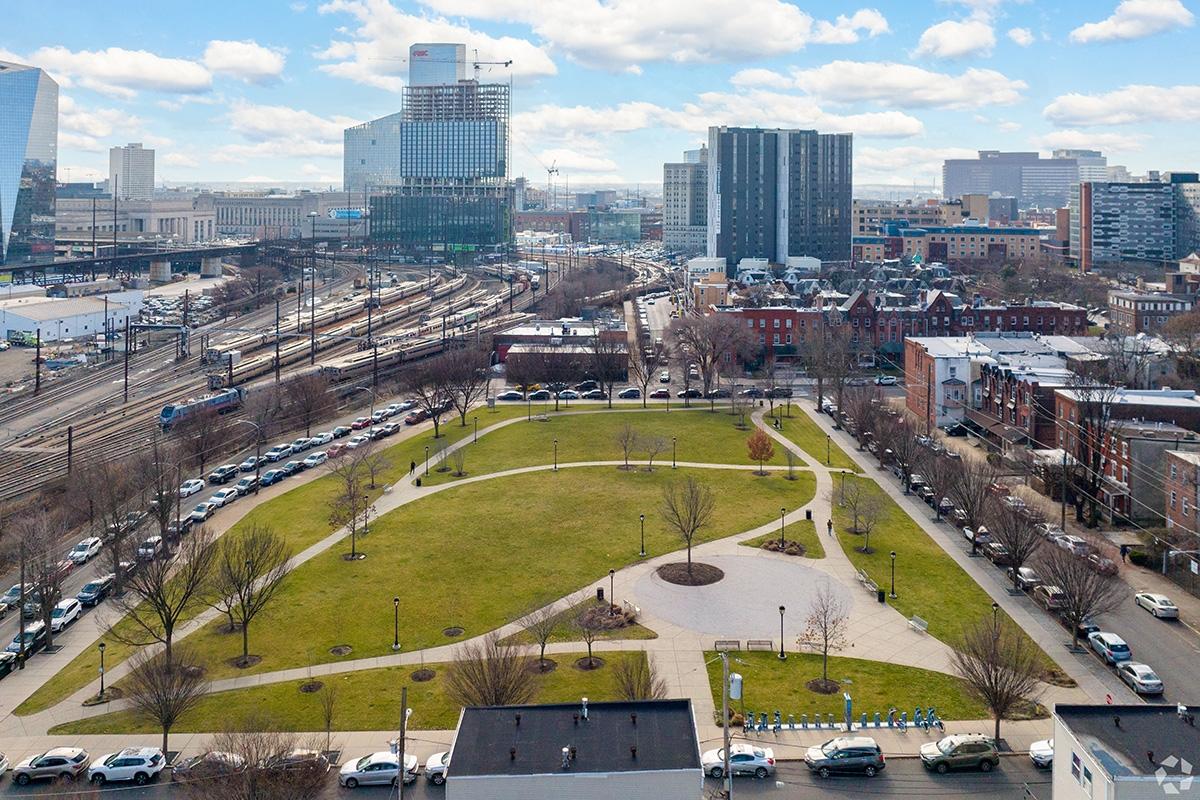
Each neighborhood in the city has its own personality, architecture, and vibe. Finding the right fit is the most important part of your search.
Center City
If you want to be in the middle of the action, Center City is the spot. You will live near skyscrapers, historic sites, and some of the best fine dining restaurants in the country. Rents here are higher, but you rarely need a car.
Fishtown and Northern Liberties
These areas sit just north of Center City. They are famous for their artsy vibe, music venues, and incredible coffee shops. It is a popular area for renters who want nightlife and walkability without the density of downtown. Living in Fishtown puts you in the heart of galleries and bistros, and Northern Liberties provides convenient access to interstates 95 and 676.
South Philadelphia
This is the classic Philly experience. Rows of brick homes line the streets, and neighbors sit on their front steps (or "stoops") to chat. It is home to the Italian Market and the sports complex. Parking can be tough in South Philadelphia, but the community feel is unmatched.
University City
Located across the Schuylkill River, University City surrounds the University of Pennsylvania and Drexel University. It is filled with students, professors, and medical professionals. You will find plenty of green space and beautiful Victorian homes converted into apartments and off-campus housing.
Manayunk
If you prefer a town feel within city limits, look here. Manayunk sits along a river and features a steep hill lined with shops and bars. Just be ready for a workout if you walk up the hill from Main Street!
Getting Around Philadelphia: Trains, Buses, and Parking Wars
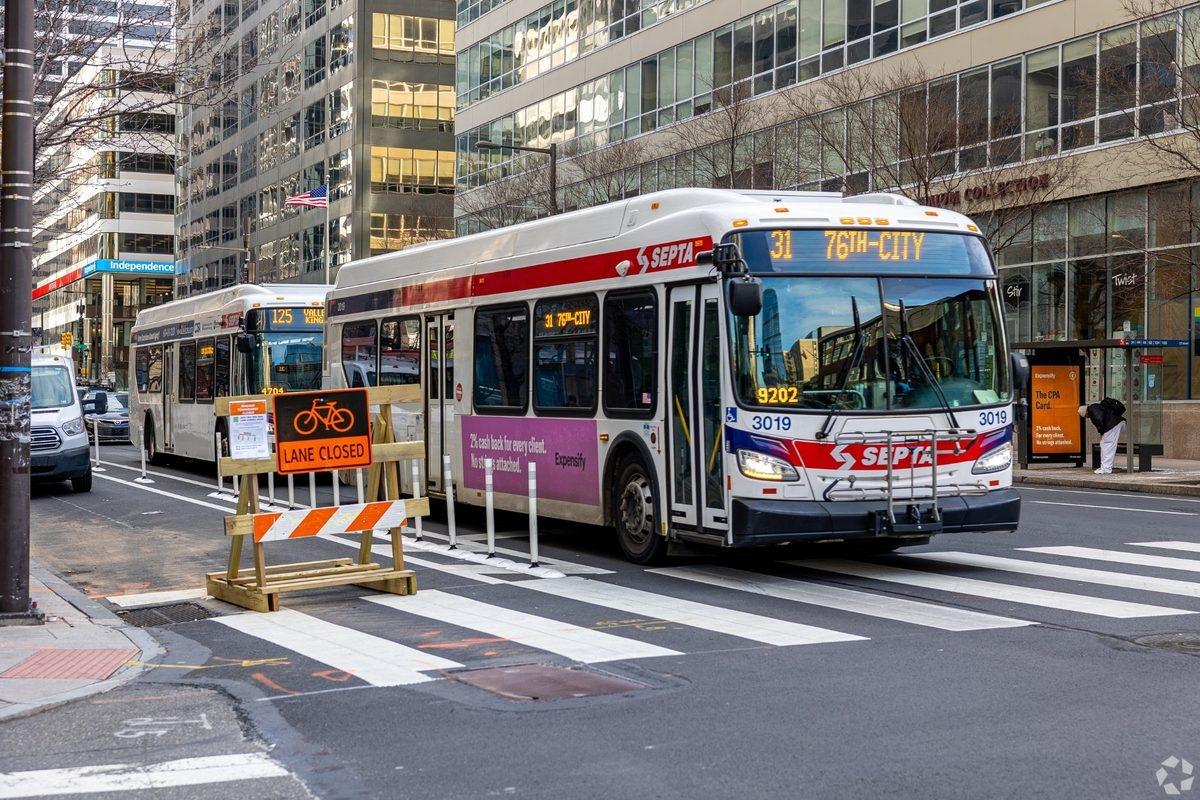
Philadelphia is a very walkable city. In fact, many residents do not own cars at all. The streets are laid out on a grid, making it super easy to navigate on foot or by bike.
Public transportation
The Southeastern Pennsylvania Transportation Authority, or SEPTA, runs the show.
- The subway: There are two main lines. The Broad Street Line runs north to south (straight to the stadiums). The Market-Frankford Line runs east to west.
- Buses and trolleys: An extensive network covers the areas trains don't reach.
- Regional rail: These trains connect the city to the surrounding suburbs and the airport. Locals report the trains to be clean, quiet, and reliable.
Personal transportation
If you plan to have a car in Philly, be forewarned: parking is difficult. The Philadelphia Parking Authority (PPA) is all business, no play. If you park illegally, you should expect a ticket awaiting your return.
If you live in a neighborhood with permit parking, make sure you get your permit immediately. In many dense neighborhoods like South Philly, finding a spot after 6 p.m. can take 20 minutes or more, so pack your patience and good walking shoes!
Soaking Up Philadelphia’s Culture
Living in Philadelphia means there’s little time for boredom. The city buzzes with energy, fueled by passionate locals.
Sports fanatics
Philly fans are intense—and for good reason! Whether the sport is professional football, baseball, basketball, or hockey, the city shuts down for big games. Even if you’re not a sports fan, the excitement is contagious. You might find yourself wearing green on weekends before you know it!
The food scene
Philadelphia has a rich culinary history. Yes, the cheesesteaks and hoagies are legendary, but did you also know that Tastykake originated in Philly? Beyond its sweets and sandwiches, the city is a culinary giant with global representation. You can find incredible pho on Washington Avenue, amazing Mexican food in South Philly, and award-winning fine dining in Center City.
Arts and history
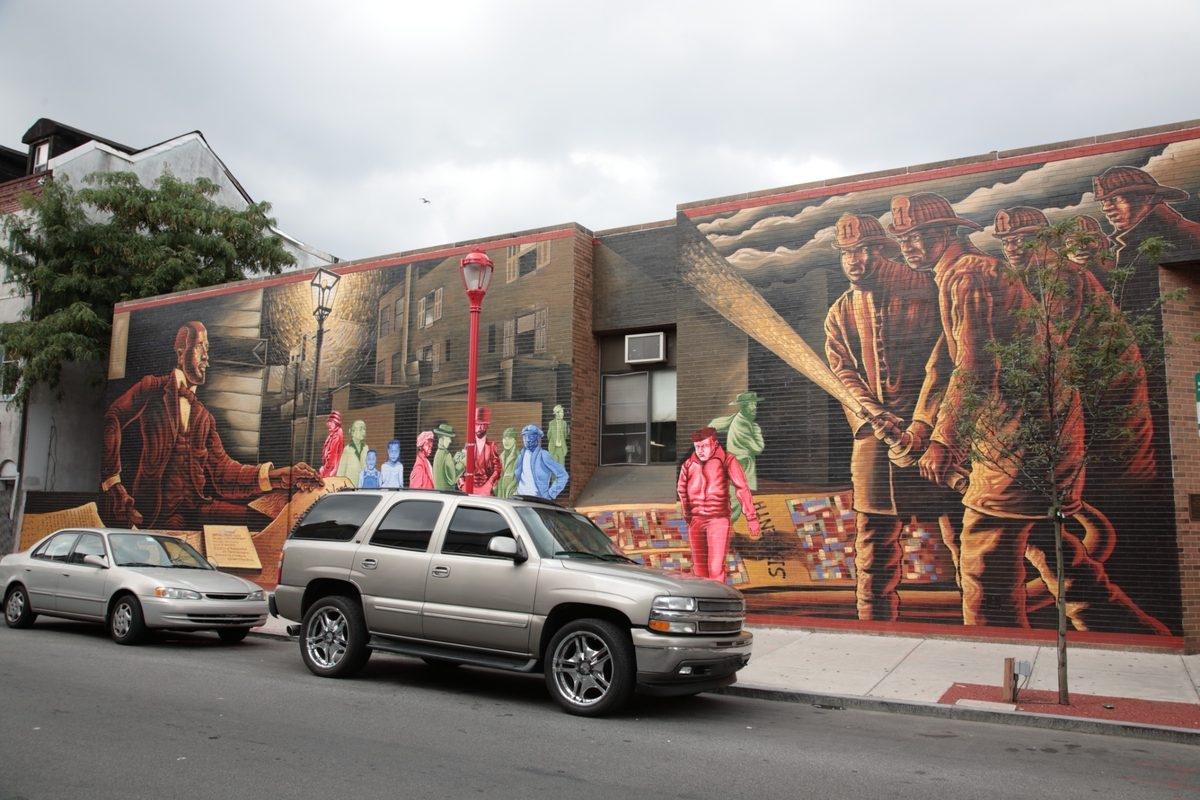
If you want to be a part of a thriving arts culture, Philadelphia is a great place to plant roots. Known as the “Mural Capital of the World,” Philly has so many of them that if you set out this month to see one mural a day, you’d be exploring for nearly 11 years straight!
History buffs will be spoiled for choice with iconic points of interest such as the Liberty Bell and the city’s more than 100 museums, including the award-winning Philadelphia Museum of Art (where you can run up the famous "Rocky Steps").
Tips for Finding Your Dream Rental in Philadelphia
If you're moving to Philadelphia, here are some key considerations to help you navigate the rental landscape.
Check the heat
If you are considering a rental in an older home, ask if the heating is gas, electric, or oil. Keep in mind that electric heat in a drafty house can get expensive quickly.
Look for central air
Older rowhomes often lack central air conditioning. Summers here get hot and humid, so check if you will need window units.
Understand the layout
A "trinity" is a specific type of Philly home. It is essentially three rooms stacked on top of each other, connected by a narrow and steep spiral staircase, making them a physical challenge to move into.
Visit at night
Tour the neighborhood during the latter part of the day to see what the noise levels and parking situations are really like.
Look for nearby transit
Locals get around town mainly with SEPTA, as the city's old infrastructure can make driving difficult. Finding a place near SEPTA stations can make everyday commutes even easier.
Ready to Make the Move?
If the City of Brotherly Love has captured your heart, take the next step with Apartments.com! Whether you’re exploring short-term leases or hoping to find a long-term home, Apartments.com’s searchable listings and customizable filters help you narrow by price, amenities, and layout. Wherever you’re headed next, options in Philadelphia are endless with Apartments.com.
Apartment rent and cost of living data provided by CoStar Group’s March 2026 reports.
This article was originally published on February 6, 2026, and has been updated.


