

Student housing investment has increased by 40 percent since 2023, according to CoStar Group. Although college costs continue to rise across the country, students still pursue higher education, with an estimated 16.2 million undergraduate students attending college in fall 2025.
While demand for higher education remains high, student housing investors are focusing on new developments in markets with strong student housing demand. According to JLL, the 68 universities in the Power 4 collegiate athletic conferences (Atlantic Coast Conference, Big Ten Conference, Big 12 Conference, and Southeastern Conference) accounted for 82 percent of student housing scheduled to be completed in 2025 and 2026. With development following demand, will it be more difficult to find student housing in 2027?
Why Are Student Housing Investors Following Demand?
Student housing investors are increasingly drawn to college towns with strong enrollment trends. According to the Western Interstate Commission for Higher Education (WICHE), the number of high school graduates is expected to decline by 13 percent from 2025 to 2041. WICHE also projects that the Midwest and Northeast will see fewer high school graduates by 2041, prompting investors to focus on student housing development in the South.
Universities across the country, from larger flagship schools to smaller regional institutions, are experiencing imbalances in student housing demand. Larger universities are running out of housing supply as more students apply and are accepted, while smaller schools are forced to close dormitories as high school graduates choose to attend larger universities.
This housing imbalance may make it difficult for student renters looking for housing in 2027. To determine where students may have more housing options in the coming year, we analyzed the number of full-time students enrolled relative to dormitory capacity at the 68 schools included in the Power 4 athletic conferences, as these schools are seeing higher levels of housing construction.
Schools Where Students May Find More Leverage Off Campus
All the schools included in this analysis have more full-time students enrolled than dorm beds available. However, because these universities are seeing higher levels of housing construction, renters may find more off-campus housing options as supply catches up to demand in these areas.
Some schools don’t offer enough on-campus housing to accommodate the number of students enrolled, leading many students to seek housing off campus. Here are the top five schools where renters may find more leverage off campus:
1. University of Central Florida
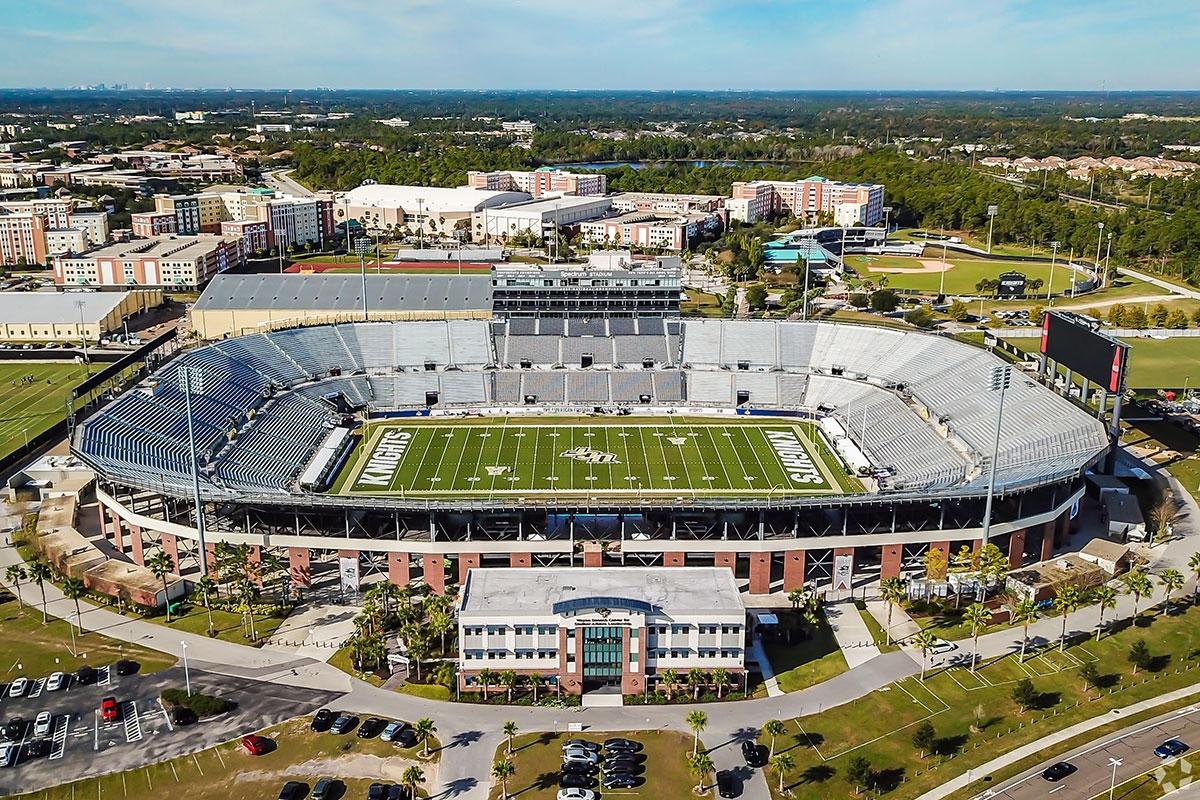
- Number of Full-Time Students Enrolled: 47,398
- University Dormitory Capacity: 7,582
- Dorm Beds as Share of Full-Time Students: 16%
- Average Rent in Orlando: $1,580/month
Although the University of Central Florida (UCF) has a large full-time student population, there are only 7,582 beds on campus, forcing many students to seek housing off campus. Students planning to attend UCF may find more leverage off campus, as average rents run below the national average and new student housing construction is completed. Beachwold Residential plans to add 484 units comprising 1,395 new beds to the UCF off-campus housing market before the 2029-2030 school year.
2. University of Texas
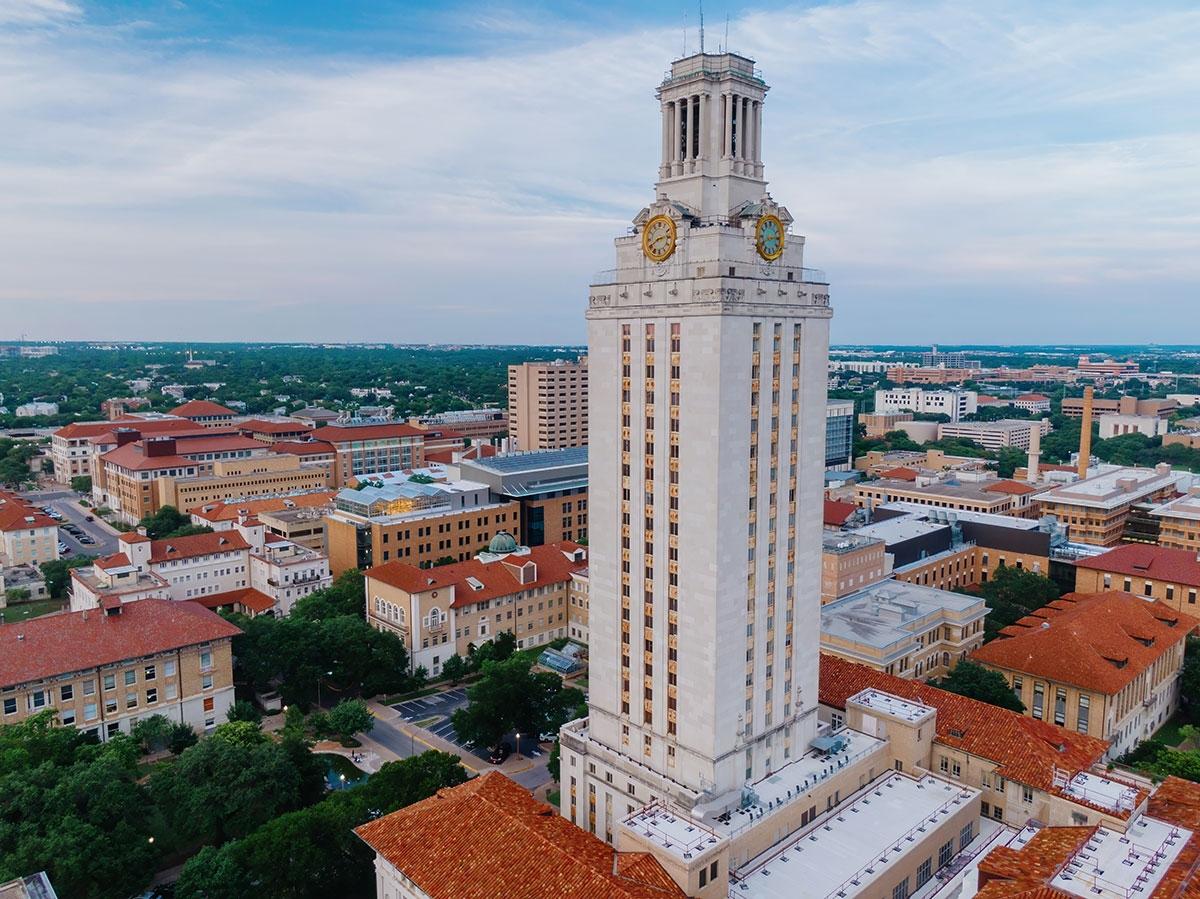
- Number of Full-Time Students Enrolled: 50,857
- University Dormitory Capacity: 8,588
- Dorm Beds as Share of Full-Time Students: 16.9%
- Average Rent in Austin: $1,419/month
The University of Texas approved the construction of a new undergraduate residence hall set to be completed by fall 2027. While this is expected to add to the dormitory capacity at the university, there will still not be enough beds to accommodate every student. Student housing construction has also expanded off campus in Texas. For example, a new 555-bed student apartment community opened in time for the 2025-2026 school year, expanding housing options for students.
3. Auburn University
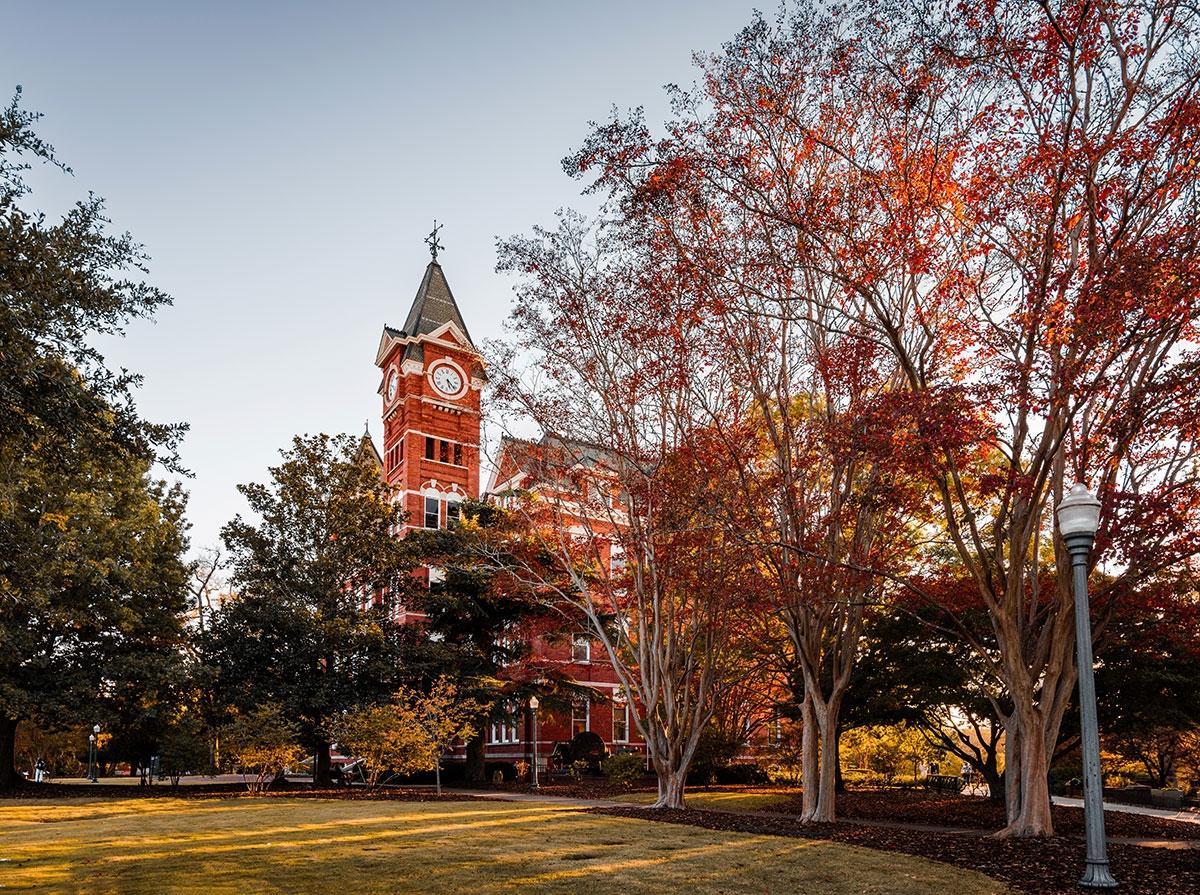
- Number of Full-Time Students Enrolled: 28,856
- University Dormitory Capacity: 4,892
- Dorm Beds as Share of Full-Time Students: 17%
- Average Rent in Auburn: $1,099/month
Similar to the University of Texas, Auburn University has multiple new on-campus residence halls under construction or recently completed, adding a total of 1,051 beds to its dormitory capacity. The off-campus housing market has seen similar development, with a new 128-bed residential community opening for the 2026-2027 school year in August 2026 and a new student housing community with 825 beds set to be completed by fall 2028.
4. Texas A&M University
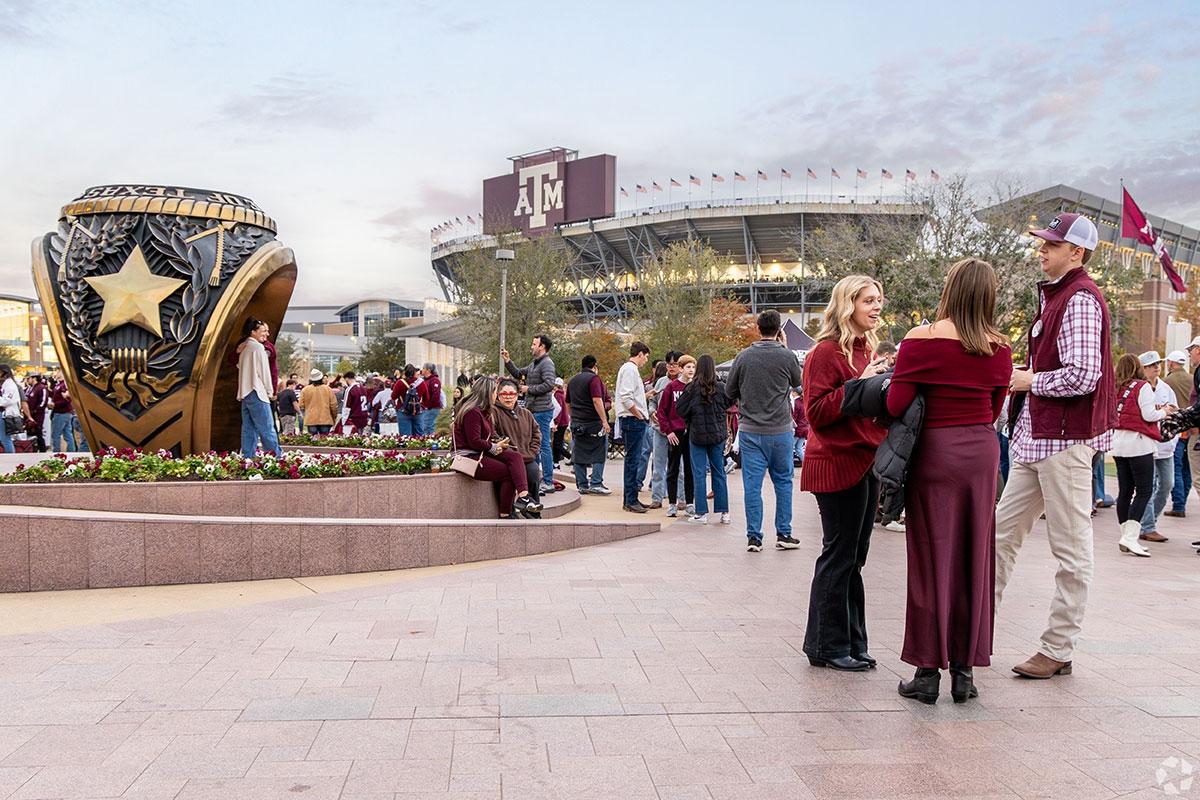
- Number of Full-Time Students Enrolled: 66,661
- University Dormitory Capacity: 11,350
- Dorm Beds as Share of Full-Time Students: 17%
- Average Rent in College Station: $1,098/month
Two Texas schools appear among the top five in this analysis, suggesting Texas may offer a more favorable rental market for students and developers alike. Two new off-campus student housing developments are slated for completion in time for the 2028-2029 academic year in College Station. In total, the two developments are expected to add 3,123 beds to the student housing market in College Station, expanding off-campus housing options for Texas A&M students in the coming years.
5. University of Arizona
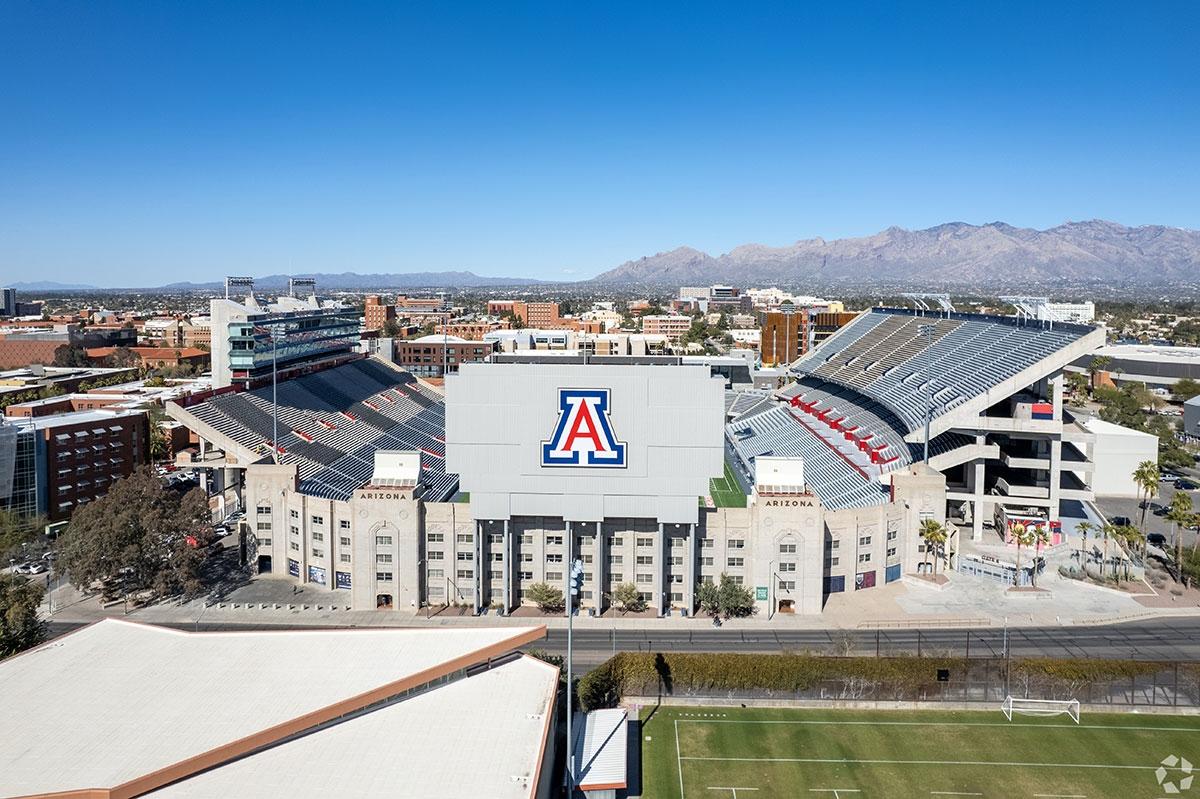
- Number of Full-Time Students Enrolled: 43,349
- University Dormitory Capacity: 7,794
- Dorm Beds as Share of Full-Time Students: 18%
- Average Rent in Tucson: $992/month
The University of Arizona and surrounding student housing developers have invested in new on-campus and off-campus student housing. In July 2026, the university broke ground on a new residence hall, called The Catalina, which is expected to house over 1,300 students when completed in fall 2028. Student housing development off campus is also expanding, with a new apartment community slated to open in time for the 2027 school year, offering over 400 beds for off-campus living.
Schools Where Students May Find More Availability on Campus
Some universities identified in this analysis had a more balanced ratio of students enrolled to beds available. Because of this, students who want to live on campus may find it easier to do so at schools that offer more beds relative to the number of students enrolled. Here are the top five schools where student renters may find it easier to find housing on campus:
1. Stanford University
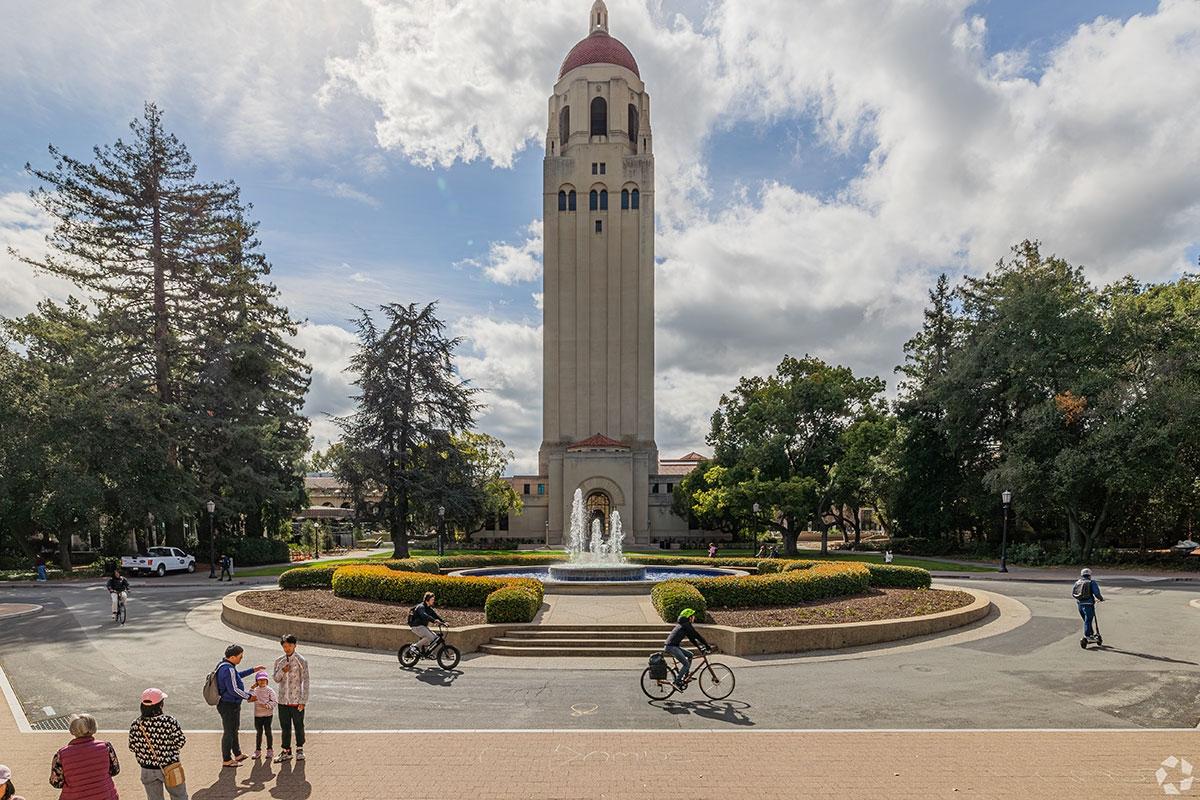
- Number of Full-Time Students Enrolled: 17,232
- University Dormitory Capacity: 14,488
- Dorm Beds as Share of Full-Time Students: 84.1%
- Monthly Dorm Cost: $1,510
While Stanford University has not reported any new housing developments in the pipeline, the university recently released its StanfordNext initiative, outlining the university’s long-term plan to address academics, housing, transportation, sustainability, and infrastructure. In the plan, Stanford states it will “build new student beds to continue addressing the housing needs of Stanford’s student community” to increase undergraduate access in the coming years.
2. Duke University
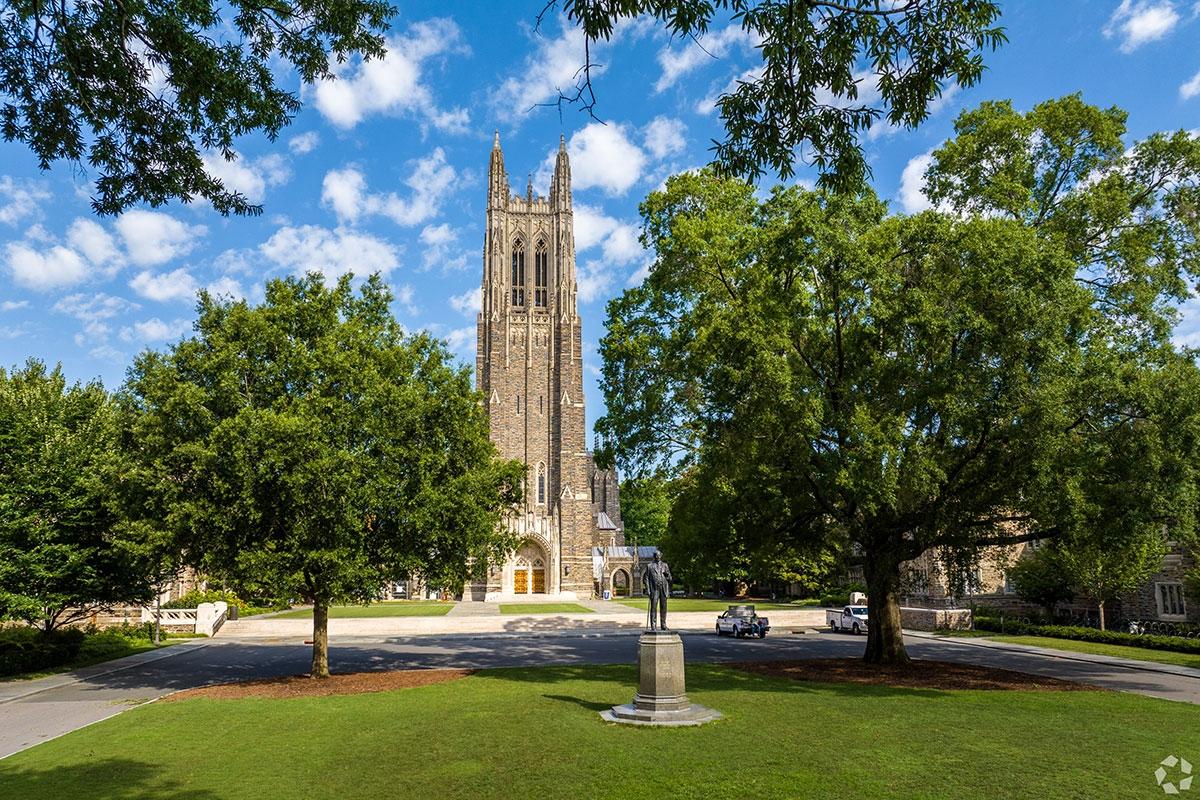
- Number of Full-Time Students Enrolled: 18,424
- University Dormitory Capacity: 12,179
- Dorm Beds as Share of Full-Time Students: 66.1%
- Monthly Dorm Cost: $1,112
In 2024, Duke University filed to rezone ten parcels of its land on the East and West sides of campus, an area that has been largely undeveloped since 2019. Many students hope that the proposed rezoning will create an opportunity for additional on-campus housing. Many Duke students and community members have stated the lack of resident housing and on-campus options have pushed students into the Durham rental market.
3. University of Michigan
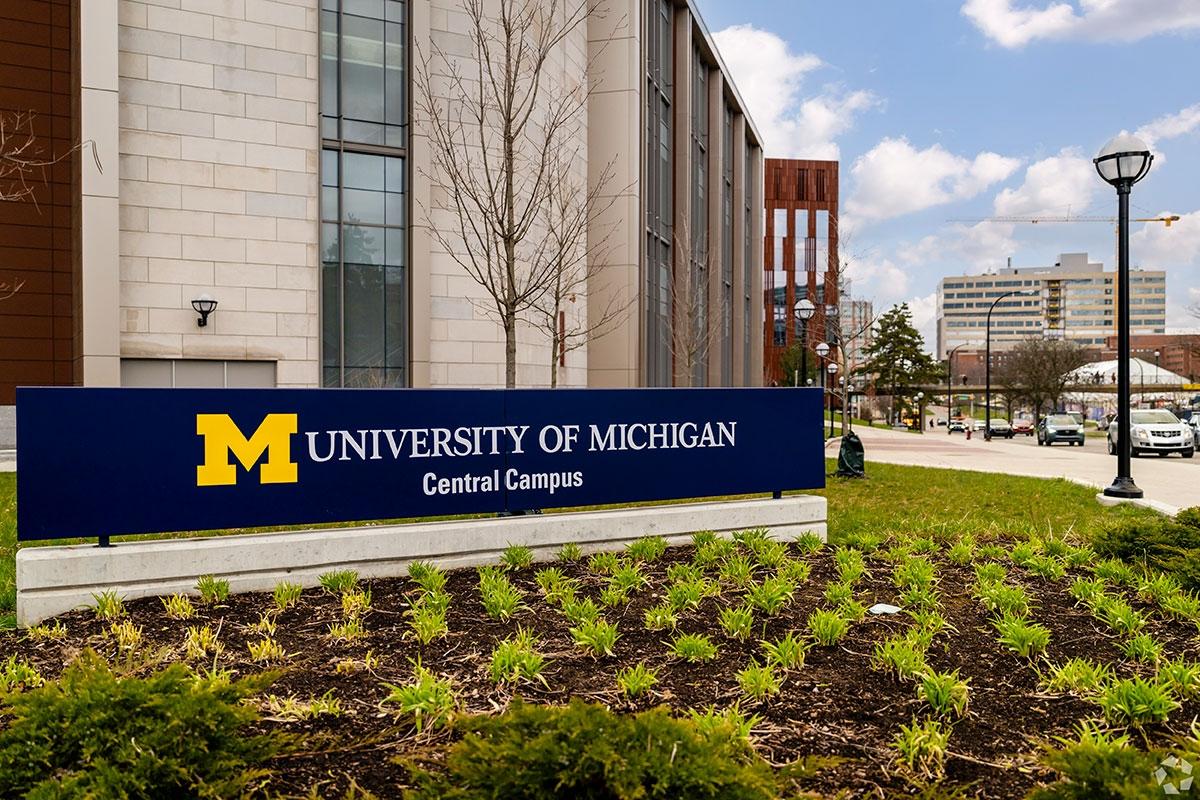
- Number of Full-Time Students Enrolled: 49,534
- University Dormitory Capacity: 31,710
- Dorm Beds as Share of Full-Time Students: 64%
- Monthly Dorm Cost: $2,146
As more students enroll at the University of Michigan, having an adequate on-campus housing capacity is more important. To address this, the university opened Wolverine Village in August 2026, adding 2,300 new beds to its existing dormitory capacity. The opening of this new residence hall, combined with the higher dormitory capacity, suggests students may find it easier to find on-campus housing at the University of Michigan.
4. Boston College
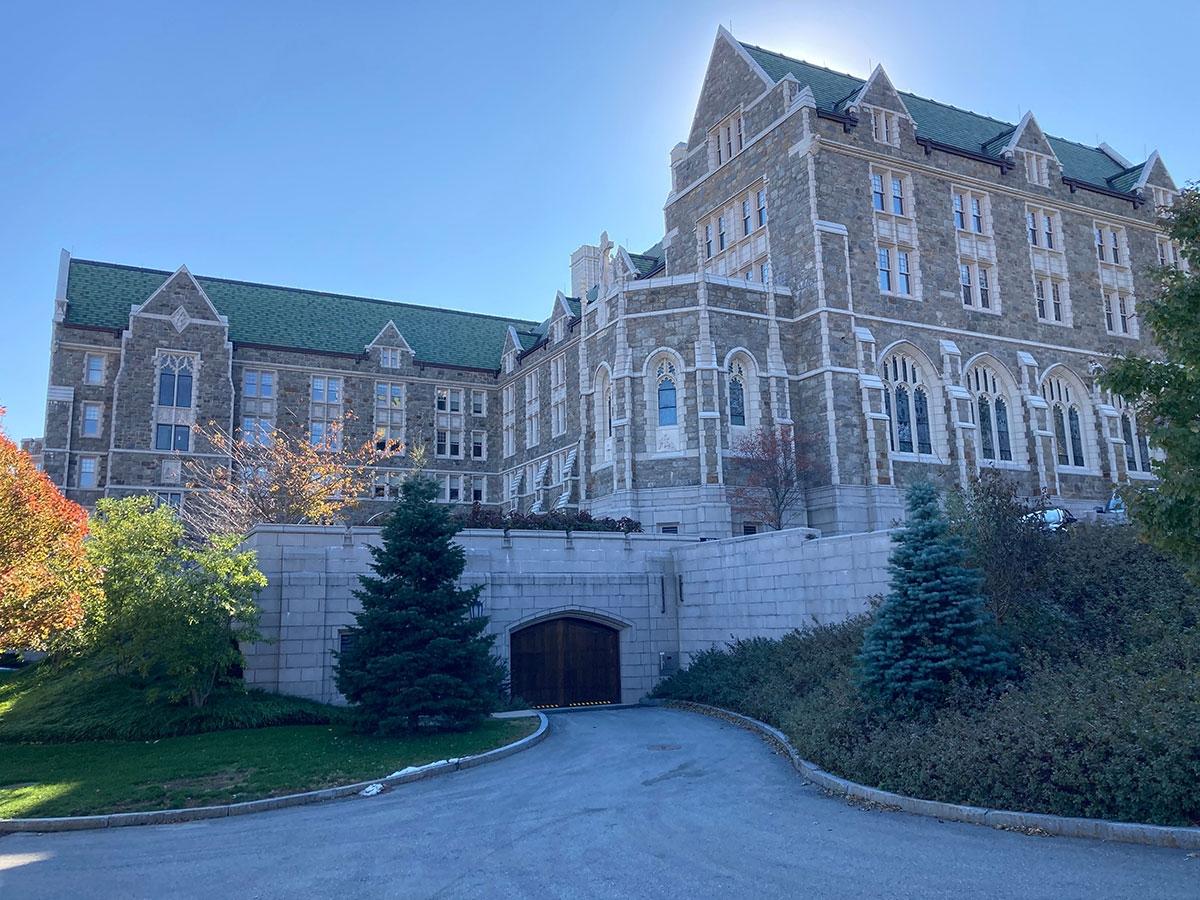
- Number of Full-Time Students Enrolled: 13,692
- University Dormitory Capacity: 7,732
- Dorm Beds as Share of Full-Time Students: 56.5%
- Monthly Dorm Cost: $1,192
Boston College released an Institutional Master Plan in 2009 which stated the university planned to add 1,280 undergraduate student beds over the next ten years. As of 2025, only 240 undergraduate beds had been added. While this represents about 19 percent of the originally proposed beds, Boston College continues to balance enrollment with on-campus housing availability and construction.
5. University of Notre Dame
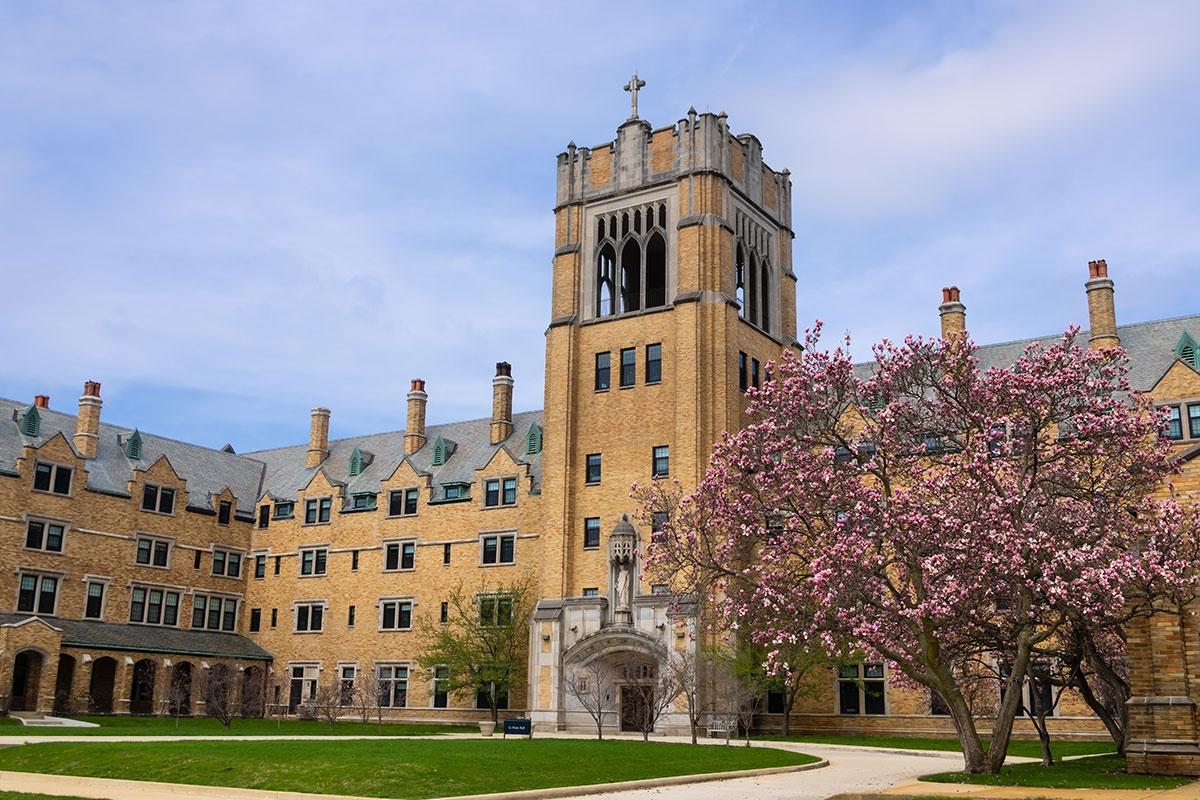
- Number of Full-Time Students Enrolled: 12,716
- University Dormitory Capacity: 7,012
- Dorm Beds as Share of Full-Time Students: 55.1%
- Monthly Dorm Cost: $1,018
Although the gap between full-time students enrolled and university dormitory capacity at the University of Notre Dame is one of the more balanced among the schools analyzed, the university recently announced plans to reconstruct two existing residence halls. The university expects the student housing to be open in fall 2029, suggesting that the university may experience a more balanced student-to-housing ratio in the future.
How to Find Student Housing in a Competitive Rental Market

Student housing investors are increasingly interested in the housing market surrounding a university rather than university enrollment numbers alone. Because of this, rental markets may become less competitive for renters in areas where new housing developments increase available supply.
Student renters attending a university where the share of beds available compared to students enrolled is lower may have to look off campus to meet their housing needs. Here are a few things to keep in mind if you plan to attend college in 2027 and need to find off-campus student housing.
Start your apartment search early
One way to make finding student housing in a tight rental market easier is to start your apartment search early. If you know which school you’ll be attending, consider looking at off-campus housing before the semester begins. Some apartment communities may even offer lower rates during slower leasing seasons. Starting college is a major milestone and finding an apartment before classes begin can make the transition easier.
Budget for student housing
Off-campus student housing is different from living on campus. The cost of living on a college campus, typically called room and board, is usually billed alongside tuition and charged each semester. Off-campus housing is similar to traditional apartment living: rent payments are due monthly, you must sign a lease, and you’re responsible for additional living expenses, like groceries, utilities, water, trash, or other amenities.
Because the cost of living off campus is month-to-month, budgeting is important. You should understand how much rent you can afford each month while covering other basic living expenses. Many college students may need a cosigner or guarantor to qualify for an apartment, while others may choose to live with roommates to share housing costs.
Compare base rent, effective rent, and total monthly costs
Understanding the difference between base rent and effective rent can help you compare apartment prices. When you tour potential apartments, properties may advertise the base rent, the monthly rental charge before additional fees or discounts. Effective rent is the average monthly rent after factoring in any concessions.
Many properties also display their total monthly price on available properties to provide more clarity to renters. Comparing these amounts can help you estimate your actual monthly expenses and choose an apartment that fits your student housing budget.
Ask for rent concessions or lease specials
Whether you start your apartment search early or sign a lease a week before classes start, ask the landlord or property manager about available rent concessions. If you start your apartment search months before school is back in session, you may have an easier time negotiating rent specials with your landlord during slower leasing seasons. Rent concessions can range from one month of free rent to discounted rent for a certain period.
If your landlord seems reluctant to offer a rent concession, consider asking if the property manager is willing to offer an incentive for signing a longer lease. If you can commit to a longer lease term, the landlord may be more open to discussing a discount.
Check whether you’re allowed to live off campus
Another important step before starting your off-campus apartment search is checking your university’s student housing requirements. Many universities, such as the University of North Carolina at Chapel Hill, require first-year students to live on campus. Temple University recently announced that, starting in fall 2027, students under 21 are required to live on campus during their first two semesters of enrollment.
If you’re entering your first year of university, it’s important to understand whether your university requires students to live on campus or if it allows off-campus living.
Methodology
The number of full-time students enrolled, university dormitory capacity, and monthly dorm cost were provided by CoStar Group. The average rent for each college city was sourced from the Apartments.com Rent Trends pages. The top five schools for each category were selected by dividing university dormitory capacity by the number of full-time students enrolled. The schools were then ranked from lowest to highest by the share of dorm beds relative to full-time enrollment for each category.
Find Off-Campus Housing on Apartments.com
If you’re going back to school and need off-campus student housing, start your off-campus apartment search on Apartments.com. On Apartments.com, you can search for available apartments and use filters, such as price, size, and amenities to narrow your options.
For university-specific searches, simply navigate to the Apartments.com search page and enter the school you want to search. From here, apply your preferred search filters to find an apartment that works for you. Finding off-campus student housing is simple using Apartments.com.
FAQs
How do I find student housing near my university?
To find student housing near your university, start by searching for available apartments close to campus. You can search for off-campus apartments on Apartments.com or visit your school’s student housing resources website to learn more about university-affiliated off-campus living communities.
When should I start looking for student housing?
You should start looking for student housing several months before your intended move-in date. If you plan to live on campus, many schools require students to submit a housing application by a specific deadline. If you plan to live off campus, start checking apartment availability early and monitor new listings near your university. If on-campus housing is limited, the off-campus rental market may be more competitive, and available apartments may rent faster.
Is it cheaper to live on campus or off campus?
Whether on-campus or off-campus housing is cheaper depends on your university, average local rents, and other living expenses. On-campus housing is typically billed by semester, while off-campus living usually requires monthly rent payments and additional expenses, such as groceries and utilities.
Will it be harder to find student housing in 2027?
Finding student housing may be more competitive in 2027 at universities where student enrollment heavily exceeds dormitory capacity. The schools with the lowest rations of dorm beds to full-time students in this analysis were the University of Central Florida, the University of Texas, Auburn University, Texas A&M University, and the University of Arizona. New on- and off-campus student housing developments can help offset the imbalance of students enrolled versus available housing.


