

Cold weather and freezing temperatures have already started to impact renters across the country. Before the winter weather reaches your area, it’s important to have a plan in place in case of an emergency. Winter storms not only affect the structure of an apartment building, but also the pipes, heating, and appliances. This article will cover ways you can prepare for a winter storm in your apartment and how to stay proactive all season long.
Winter Storm Watch or Warning?
The National Weather Service will typically issue two different types of winter weather advisories: Winter Storm Warnings and Winter Storm Watches. A Winter Storm Watch is usually issued at least 24 hours before a storm, while a Winter Storm Warning is issued when the probability of an occurrence is above 80 percent. When a watch or warning is issued, you may see any of the five following warnings or advisories:
- Winter Storm Warning
- Ice Storm Warning
- Blizzard Warning
- Freezing Rain Advisory
- Winter Weather Advisory
Understanding what kind of weather is going to impact your area is the first step to getting your apartment winter-storm-ready. You can learn more about these advisories on the National Weather Service’s website.
Renter-Friendly Storm Prep Plan
A simple way to stay proactive before a winter storm is set to impact your area is to create a plan. This plan can include anything that ensures your apartment is safe during a winter storm, like keeping your pipes from freezing, buying space heaters or extra blankets, and sealing any doors or windows to prevent a draft. Let’s dive into each of these so you better understand how to prepare your apartment for winter weather.
Questions to ask your property team
Before the storm arrives, talk to your on-site leasing or property team to see if they are taking any precautionary measures. If a winter storm warning has been issued, many apartment communities will send out emails to alert residents and provide tips on how to stay safe during this storm. Here are a few more questions you can ask your leasing team to ensure you’re well informed.
- What is the after-hours emergency maintenance number?
- How is the building heated, and what is the plan if the system fails?
- Are common-area pipes insulated?
- Can I shut off the water in my unit?
- Who handles snow and ice removal around the property?
- What are the building’s emergency procedures during prolonged outages?
Note: Save your building’s after-hours maintenance number in your phone in case of an emergency.
How to keep pipes from freezing
While some pipes in the larger apartment building are insulated, the pipes in your personal unit may not be. After asking your property team which, if any, pipes in your unit are insulated, use these tips to make sure they don’t freeze and burst during winter weather:
- Always keep the thermostat at 55°F or higher, even when you’re not home.
- During freezing temperatures, let faucets drip a thin, steady stream and open cabinet doors to allow warm air to reach the pipes.
- Ask your property manager how to shut off the water in your unit. If one of your pipes bursts, turning off the water limits damage.
Space heaters, outlets, and other fire hazards
Staying safe during a winter storm is just as important as keeping warm. Many renters will utilize space heaters, heated blankets, and other plug-in appliances to keep warm during the colder months, but keeping these fire safety tips in mind can help you avoid any potential fire hazards and damage in your apartment.
- Never use the oven to heat an apartment and don’t leave space heaters running unattended.
- Keep items that can burn or catch fire at least three feet away from any heat source, including space heaters, radiators, and candles.
- Plug one heat-producing appliance into an outlet at a time and never use an extension cord to power these appliances.
- Ensure the cords on heat-producing appliances are safe and don’t show signs of wear, such as fraying, scorch marks, or cracks.
How to Prepare for Potential Power Outages
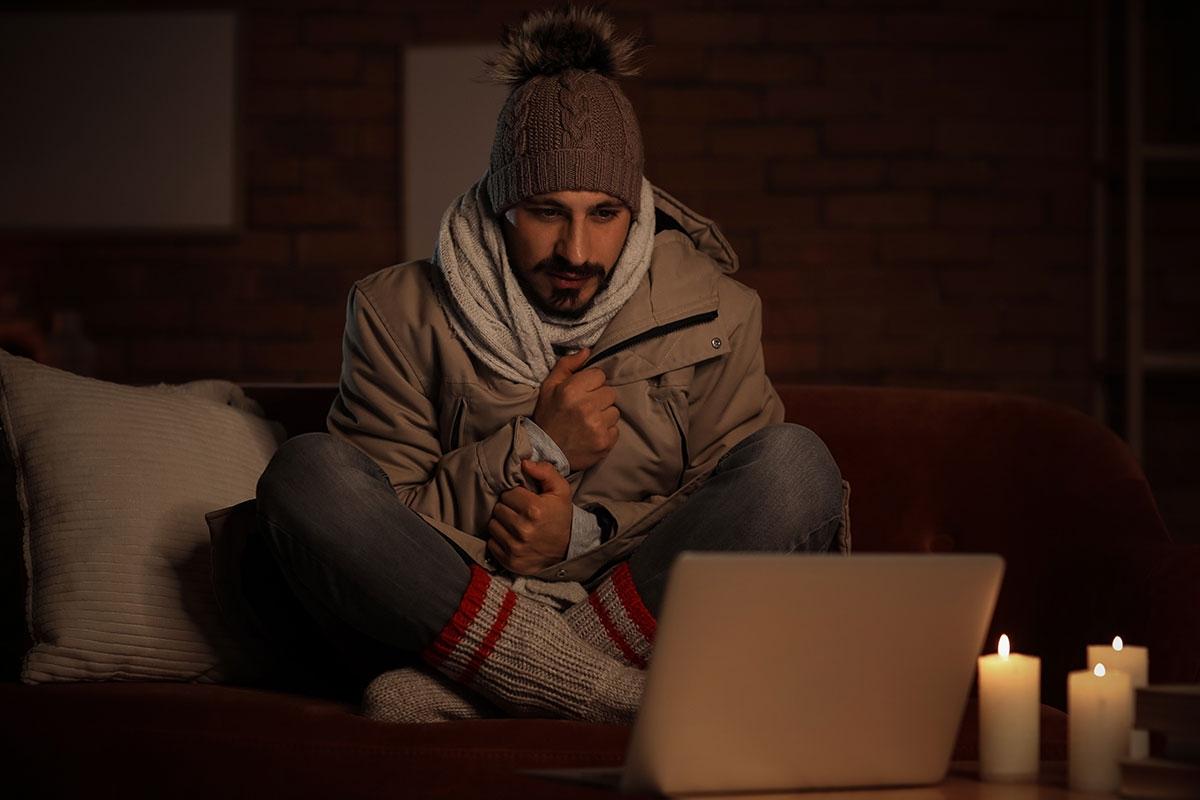
One of the biggest risks when it comes to winter weather is losing power, and, along with it, heating. The National Oceanic and Atmospheric Administration found that the average temperature in the U.S. in December 2025 was 37.8°F, meaning many residents experience near- or below-freezing temperatures during this time. If the power goes out in your apartment and you don’t have access to battery-powered heating appliances, here are a couple of tips you can use to stay warm without external heating solutions.
Turn a room into a warm zone
Even if your power goes out and you lose access to central heating, you can convert one of the rooms in your apartment into a designated “warm zone.” This can be any room in your apartment but make sure you cover any drafts in the door and hang extra blankets over the window to ensure chilly air doesn’t slip through.
If you live with roommates or pets, make sure they are in the room with you too and stay close together. While using body heat and blankets is not the most efficient way to keep warm during the winter, if you lose power and need a way to warm up, these tips can help you feel slightly less cold.
Plan for dead elevators
If you live in a high-rise apartment building and lose power, it’s important that you are prepared to spend time in your unit. You will likely lose access to the elevator after the power goes out, leaving the stairs as the only way to get in and out of your apartment. If you live on the ground floor, this is no problem, but residents on floor 14 may feel differently about the situation.
If you live on one of the top floors in a high-rise building, make plans to be in your unit for an extended period, unless you want to make the trek up and down the stairs. Leave your apartment early, buy extra groceries, or stay with a neighbor. Whatever you decide, always have a plan for the worst-case winter weather scenario.
Make a grocery run before the weather advisory
Another way to stay proactive during winter storm season is to stock up on non-perishables and make your grocery run before the weather advisory alert. Stocking up on these items beforehand will ensure that you have enough food and water before nearby grocery stores inevitably run out. Also, add flashlights, batteries, blankets, portable chargers, and any other items you may need during a power outage to your grocery list.
After the Storm: Inspect and Report
If a winter storm hits your area, hopefully it’s not severe enough to cause structural or internal damage to your apartment. However, if it does, make sure to document the damage. Take photos and videos of any burst pipes, water damage, or electrical issues. Take these photos before you start to clean up the mess the damage may have caused so your landlord and maintenance team are aware of any problems.
After taking photos of damage, submit them to your on-site maintenance team so they can begin to make repairs in your unit. If the damage is more serious, like a burst pipe or water leak, call your community’s emergency maintenance number. Damage like this needs to be fixed quickly or it can cause issues elsewhere, like water damage or leaks in the floor.
How to Prepare Your Apartment When Traveling During the Winter
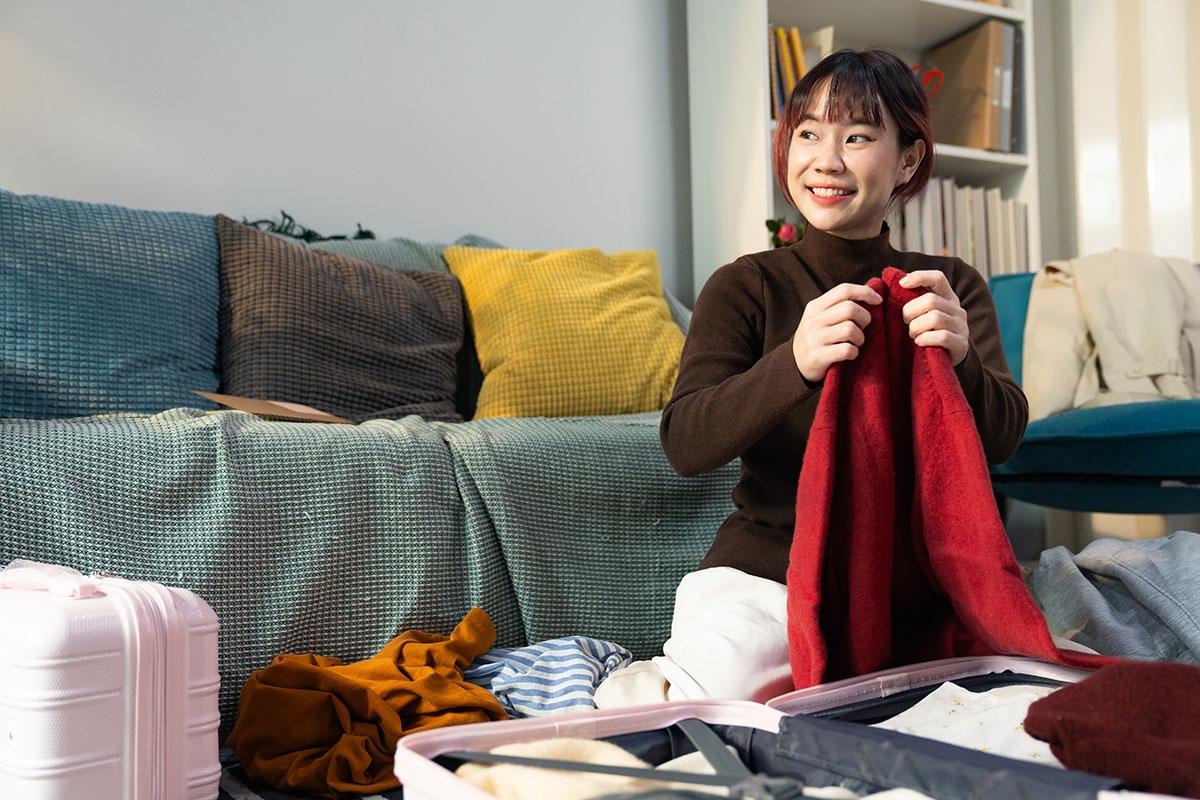
If you’re traveling during the winter months for the holidays or other seasonal events, there are things you should keep in mind when it comes to taking care of your apartment while you’re away. Whether you need someone to water your plants or need to know how you should set your thermostat to save the most money possible, these six steps will set your apartment up for success before you leave it behind.
1. Let your landlord or property manager know
If you’re planning to be away from your apartment for an extended amount of time, you should let your landlord or property manager know before you leave. While your landlord doesn’t need to know where you are at all times, letting them know you will be out of the unit for weeks will ensure they don’t take any action against inactivity in your unit.
2. Make sure your thermostat is set correctly
With average heating costs expected to rise by seven percent nationwide this December, renters are increasingly interested in ways to save on this utility cost. If you’re planning on traveling during the winter, set your thermostat anywhere from 55°F to 60°F while you’re away. This range will help cut costs on your utility bill while you’re away but also keep pipes and internal systems working properly so you don’t come home to damage in your apartment.
3. How to handle the water in your apartment
Usually, the apartment building you live in controls the water supply, pressure, and hot water for units. However, many apartments will have a shut-off valve located within the unit to turn off the water in case of repairs or emergencies. Before you turn off the water in your unit yourself, make sure to talk to your landlord or property manager and verify that you are allowed to do this. Because you’ll be traveling during the winter and there may be a chance of frozen pipes, they might not allow you to turn off the water. Maintain constant communication with your landlord in cases like this.
4. Clear the balcony and lock your windows
Before you leave your apartment to travel, make sure you clear anything off your balcony, especially during the winter months. If you live in an area that gets snow or is prone to severe winter weather, clearing off your balcony will make sure items don’t fly off in high winds, and that nothing is damaged by snow, ice, or other winter weather.
You should also lock your windows and ensure there are no drafts coming through your apartment while you’re gone. Not only will this make the room cold and mess with the temperature, but you also risk allowing any winter weather into your apartment.
5. Clean your fridge, take out your trash, and unplug appliances
A couple of housekeeping items to be aware of before you leave your apartment are to clean out your fridge, take out the trash, and unplug appliances. Cleaning your fridge and taking out your trash will ensure you don’t come home to rotten or spoiled food and there are no funky smells in your apartment. Unplugging your appliances can help save money on your electricity bill and keep your apartment safe while you’re away.
6. Think about any pets, plants, or cars
The last thing you should think about before leaving your apartment to travel is whether you have any pets, plants, or a car you’re leaving behind. If you don’t have any roommates, family members, or friends that can pet-sit or water your plants while you’re away, think about asking a neighbor. If your apartment building is gated, it may be safer to leave your car in the garage or the deck. If your building is not gated, consider leaving your car with a trusted friend or family member to ensure there are no break-ins or problems while you’re away.
Does Renters Insurance Cover Winter Damages and Mishaps?
Renters insurance is liability coverage designed for people who rent their homes. Coverage can differ from plan to plan, but renters insurance covers three main areas: personal property, personal liability, and additional living expenses. For example, if items are stolen from your apartment or a fire leaves your unit uninhabitable, renters insurance will usually cover the cost of replacing personal items or relocation costs.
The personal property coverage clause comes in handy if your apartment is damaged due to winter storms or weather. This coverage covers water damage and storm-related damage that affects your belongings. While some apartment communities require renters to have renters insurance before signing a lease, others don’t. Renters insurance can be helpful when it comes to protecting you and your belongings in case of accidents, such as a winter storm.
Make the Move with Apartments.com
Whether you’re looking for your first apartment or starting an apartment search in a new city, Apartments.com makes it easy to find a rental that fits your lifestyle. With our advanced search filters, you can search for apartments by price, amenities, lease length, or lease terms directly on Apartments.com. Finding your next rental is easy when you use Apartments.com.
FAQs
How do I prepare my apartment for a winter storm?
Some ways you can prepare your apartment for a winter storm are by talking to your on-site property team to better understand emergency protocols, making sure you have groceries, water, and other items if you lose power purchasing battery-powered heating appliances, and ensuring your pipes don't freeze so you have access to running water.
How do I stay warm in an apartment without power?
You can stay warm in an apartment without power by creating a warm zone in your unit. Designate one room to become a warm room, where all tenants, pets, blankets, and hearers can stay while the power is out. Because space heaters need power to keep a space warm, consider a battery-powered heating appliance instead.
What is the difference between a winter storm watch and a warning?
A winter storm watch is usually issued at least 24 hours before a storm, while a winter storm warning is issued when the chance of severe weather is over 80%. Make sure to pay attention to weather alerts during the winter so you're aware of the weather affecting your area.


