

Sweater weather is all fun and games until three chunky knits take over an entire shelf. Add a puffer coat, a pair of boots, and enough scarves to suggest you’re preparing for an expedition, and your apartment closet suddenly feels a lot smaller.
Fall and winter clothes deserve a place in your home. Preferably somewhere other than the chair in your bedroom. Figuring out how to store winter clothes starts with separating what you wear regularly from what you can tuck away. A few changes to your closet, some overlooked storage tweaks, and a designated spot for everyday gear can help you make room for the season.
Small Space Solutions Start with a Seasonal Closet Swap

Before you buy another storage bin, take stock of what’s already in your closet. Organize the closet space from there:
-
Pull out your fall and winter clothing and sort through it. Keep the pieces you wear and set aside anything that needs cleaning or repairs.
-
Move summer-only items out of your prime storage spots. Swimsuits and beach cover-ups probably don’t need the same easy access as the sweater you wear twice a week.
-
Keep lighter layers available for warmer days, especially if your local forecast likes to improvise.
-
Donate or sell clothing you no longer want.
Once you know what garments need a home, measure your shelves, drawers, and any space beneath your bed. Include room for lids and handles, so you have space to pull things in and out without fuss.
Make Your Closet Work for Coats and Sweaters
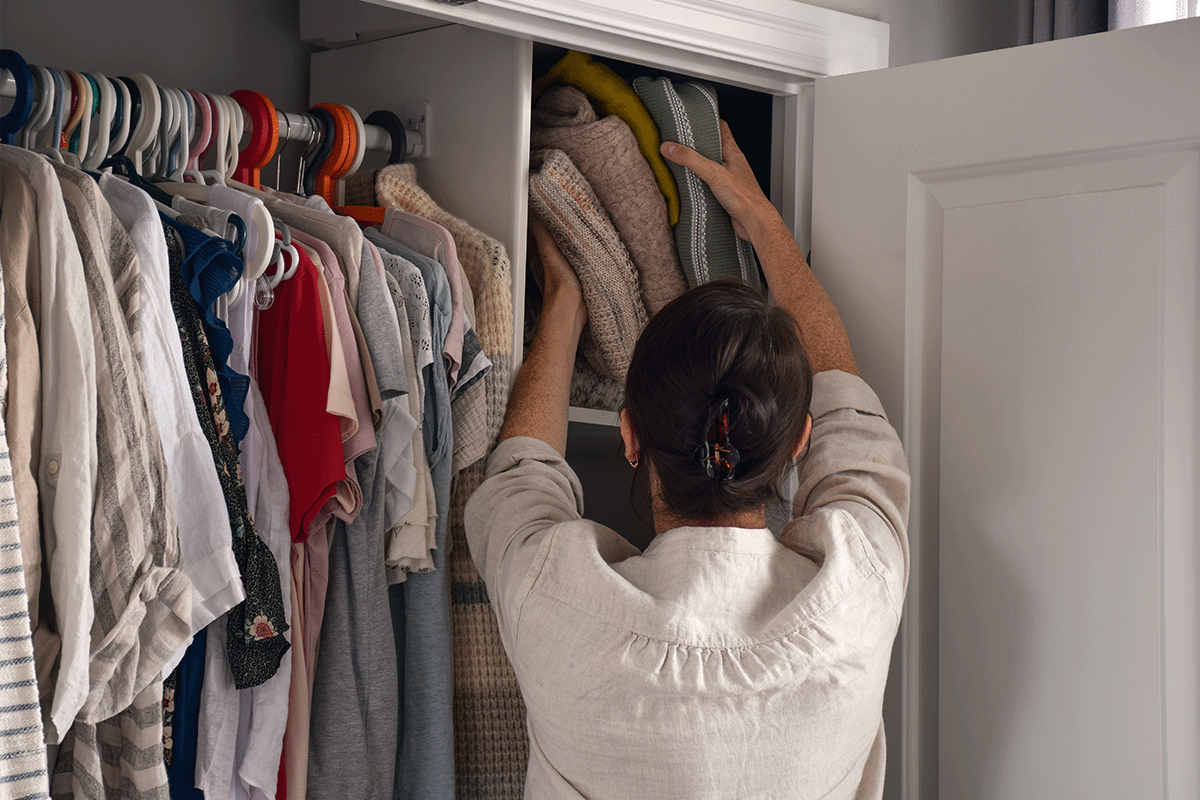
Give your most frequently worn clothing the easiest-to-reach spaces. Your everyday jacket belongs near the front of the closet or coat rack, while the coat reserved for especially cold weather can sit farther back.
Give Coats Enough Hanging Space
Choose sturdy hangers that support the weight and shape of your coats. Avoid crowding the rod so tightly that you have to wrestle a jacket free every morning.
If several coats are competing for a small closet, keep your current rotation there and move occasional-use outerwear to another suitable spot. A compact garment rack can help if you have room, but measure its footprint first so it doesn’t crowd a walkway.
Fold Sweaters Into Manageable Stacks
Fold bulky knit sweaters and place them in drawers, on shelves, or in a hanging organizer that can support their weight.
Keep shelf stacks short enough to remove one sweater without toppling the rest. Shelf dividers can separate categories, while drawer organizers can keep smaller knits from getting mixed together. If you try storing folded sweaters upright in a drawer, make sure they fit without forcing the drawer closed.
Put Overlooked Storage Spaces to Work
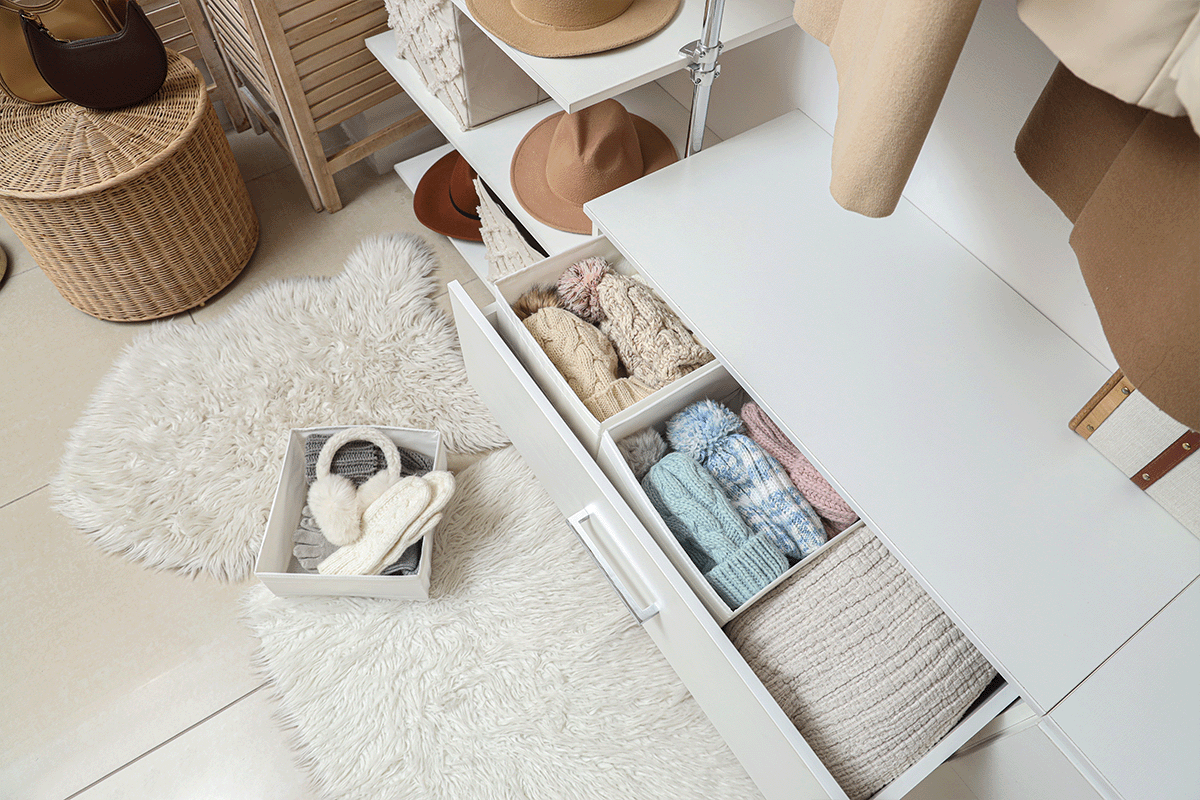
Your closet doesn’t have to carry the weight of your entire winter wardrobe. Look for unused space elsewhere in your apartment before adding another piece of furniture.
Slide Seasonal Overflow Under the Bed
Low-profile containers can hold clean, dry clothing you don’t need every day. Use them for occasional winter accessories or the summer clothes you moved out of your closet. Choose containers with handles and label the side you’ll see when you look beneath the bed.
Divide clothing between a few containers. You’ll have an easier time retrieving a specific item without dragging everything you own out of a single oversized container.
Use Upper Shelves for Less Frequent Wear
Reserve higher closet shelves for lightweight containers of clothing you reach for occasionally. Keep heavier items lower down, where they’re easier to lift. Labels are especially useful here, since the contents may be difficult to see from below.
Make Existing Furniture Do More
If you’re already shopping for an entryway bench or bed frame, consider whether your small space solutions are closer than you think. Start with furniture you own. An unused dresser drawer or ottoman can give winter accessories a home.
Create a Landing Spot for Winter Gear in the Entryway
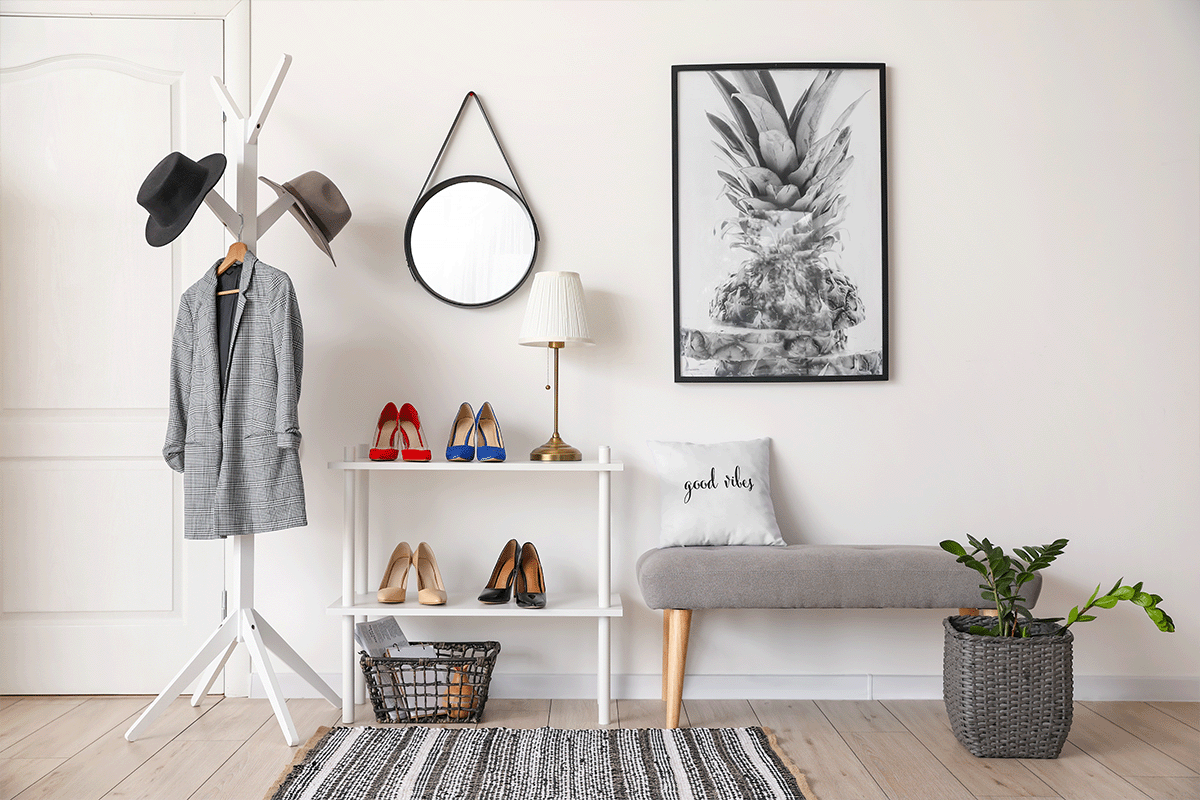
Winter clutter often starts at the front door. Give the things you take off when you get home a convenient place to land — such as a coat rack — and you’ll have fewer coats draped over dining chairs.
You don’t need a formal entryway to make this work. A small section of wall or a spot beside the door may be enough for a compact freestanding coat rack and a boot tray. Over-the-door hooks are another option if the door can still close properly.
Use a basket or pocket organizer for hats, gloves, and scarves. If you share your apartment, assign each person a pocket or basket so accessories don’t disappear into one communal pile. Keep the setup small so that doors and walkways stay clear.
Give wet boots and outerwear time to dry according to their care instructions before putting them into enclosed storage. A boot tray helps keep drips in one place, but empty and clean as needed.
Store Winter Clothes Between Seasons

When warmer weather returns, a little preparation will make unpacking next fall much easier. Clean clothing according to its care label, address stains, and make sure everything is completely dry before packing it away.
For wool garments, cleaning before storage is particularly important because food stains and body oils can attract moths.
Choose storage suited to each garment rather than packing everything the same way. Label containers by category, such as winter accessories or summer tops, and keep a light jacket accessible for unexpected temperature drops. Check stored clothing periodically for moisture or signs of pests.
Use Vacuum Bags Selectively
Vacuum bags can reduce the space some clothing takes up, but check garment guidance before compressing your winter wardrobe. Delicate items may need another storage solution. Only pack completely dry items and follow the bag manufacturer’s instructions.
Down jackets need a different approach. Leave your puffer jacket some room to expand during seasonal storage rather than keeping it tightly packed for months.
Keep Your Storage System Easy to Maintain
The best winter clothes storage system is one you can use on a rushed morning. Keep everyday pieces within reach, return accessories to their designated spot, and put clean laundry away before the bedroom chair becomes a second closet.
If a shelf or drawer keeps overflowing, revisit what’s stored there before buying more organizers. Moving a few rarely worn pieces may solve the problem. At the next seasonal swap, take a moment to adjust anything that made getting dressed more difficult.
Find a Home with Room for Your Cozy Season
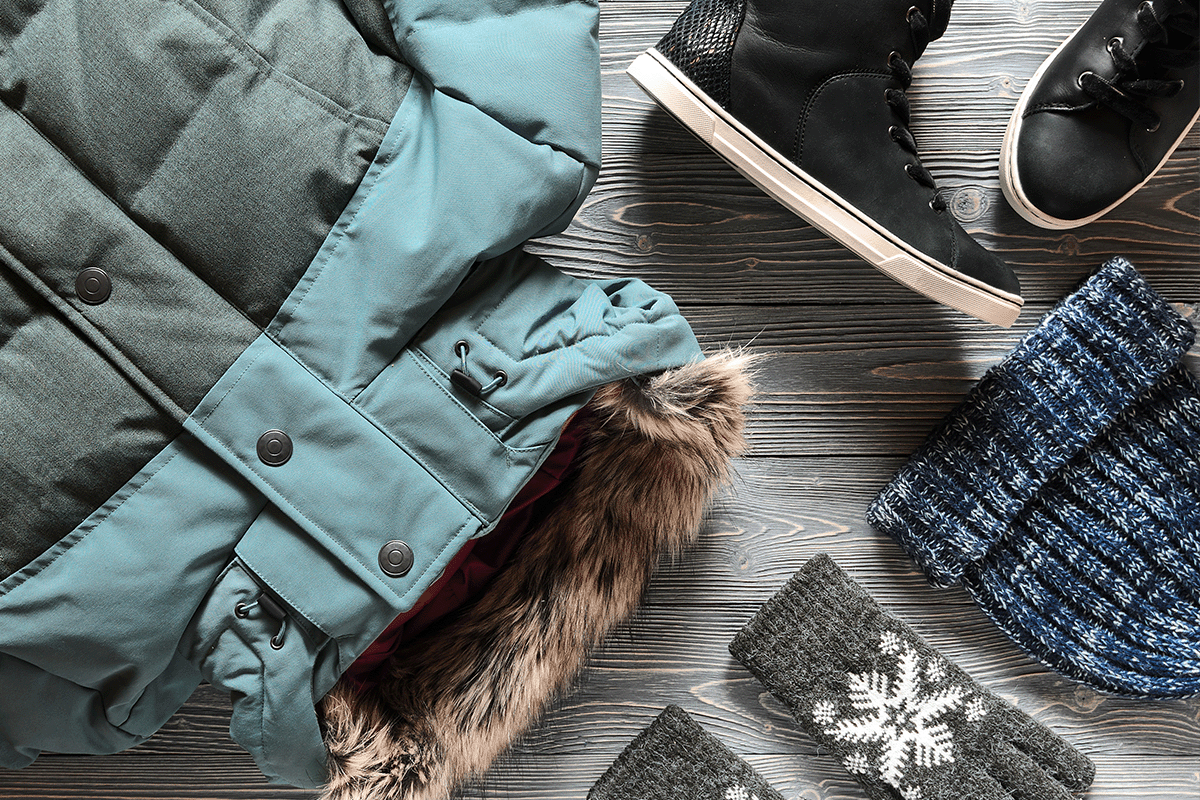
A little rearranging can help your winter wardrobe fit more comfortably into your apartment. If extra storage is on your wish list for your next move, explore apartments on Apartments.com and look closely at closet photos, floor plans, and storage details. Your favorite sweaters deserve a home, too.
This article was originally published on September 24, 2017 and has been updated since.
FAQs
How do you store winter clothes without a closet?
Use a combination of dresser drawers, under-bed containers, and a compact freestanding garment rack. Fold sweaters into drawers or onto shelves, hang coats on suitable hangers, and keep small accessories together in baskets. Store occasional-use clothing separately so everyday items stay accessible.
What is the best way to store bulky sweaters?
Fold bulky knit sweaters and store them in drawers or short stacks on shelves. Use dividers if stacks tend to collapse, and avoid cramming sweaters into a space that makes them difficult to remove. Follow care guidance for the garment’s material.
Can you store winter coats in vacuum bags?
Check the coat manufacturer’s guidance before using a vacuum bag. Compression isn’t suitable for every material or construction.
How do you organize winter boots in a small apartment?
Keep regularly worn boots on a tray near the door or on a closet’s lower shelf once dry. Store occasional-use pairs elsewhere to free up floor space. Check the height and depth of any shoe organizer before buying it, since tall boots may not fit standard compartments.


