

Renting a studio apartment is a surefire solution to living in New York City if you’re more interested in a prime location than spacious living quarters. They’re typically abundant in the city and the average rent for a New York City studio is typically lower than what you’ll pay for a one- or two-bedroom apartment.
Before we get into the specific aspects of your apartment search such as location, square footage, cost of rent, and unique NYC rental regulations, let’s answer some basic questions to be sure you’re ready to begin your studio search in the Big Apple.
What is a studio apartment?
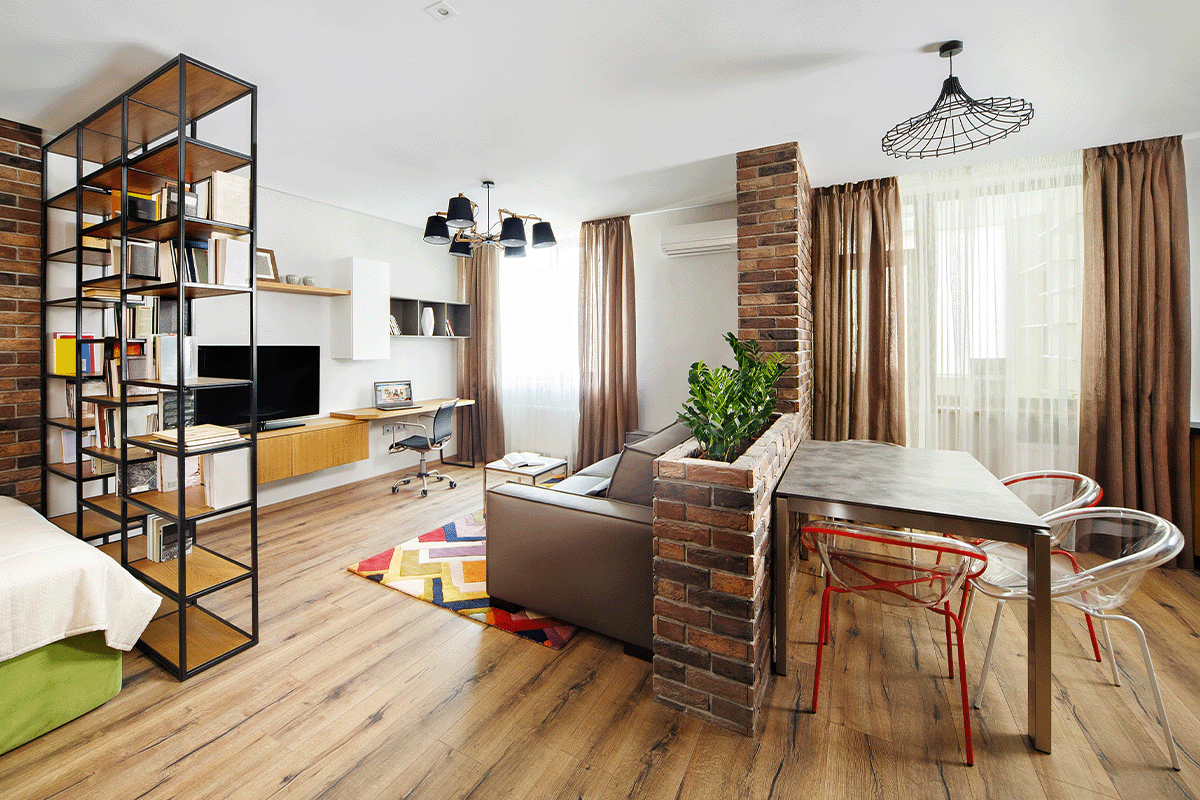
First and foremost, a studio apartment is a living unit that contains a bedroom, living room, and kitchen in a single, open space. The bathroom is the exception to the rule, as it must always be in a separate room, as mandated by U.S. housing laws. But other than the bathroom, you’re basically living, eating, and sleeping in one open room.
This may not be the spacious, open floor plan you’ve always dreamed of or admired on your favorite HGTV show, but it’s an open floor plan nonetheless! Let’s just call it… quaint.
In New York City studio apartments are always a trendy housing option. What they lack in space, they make up for in character and charm. If you can’t afford a one- or multi-bedroom apartment in a certain neighborhood, it’s likely you can find a great studio apartment in the same area, just with a smaller living space and at a lower cost!
Differing Floor Plans
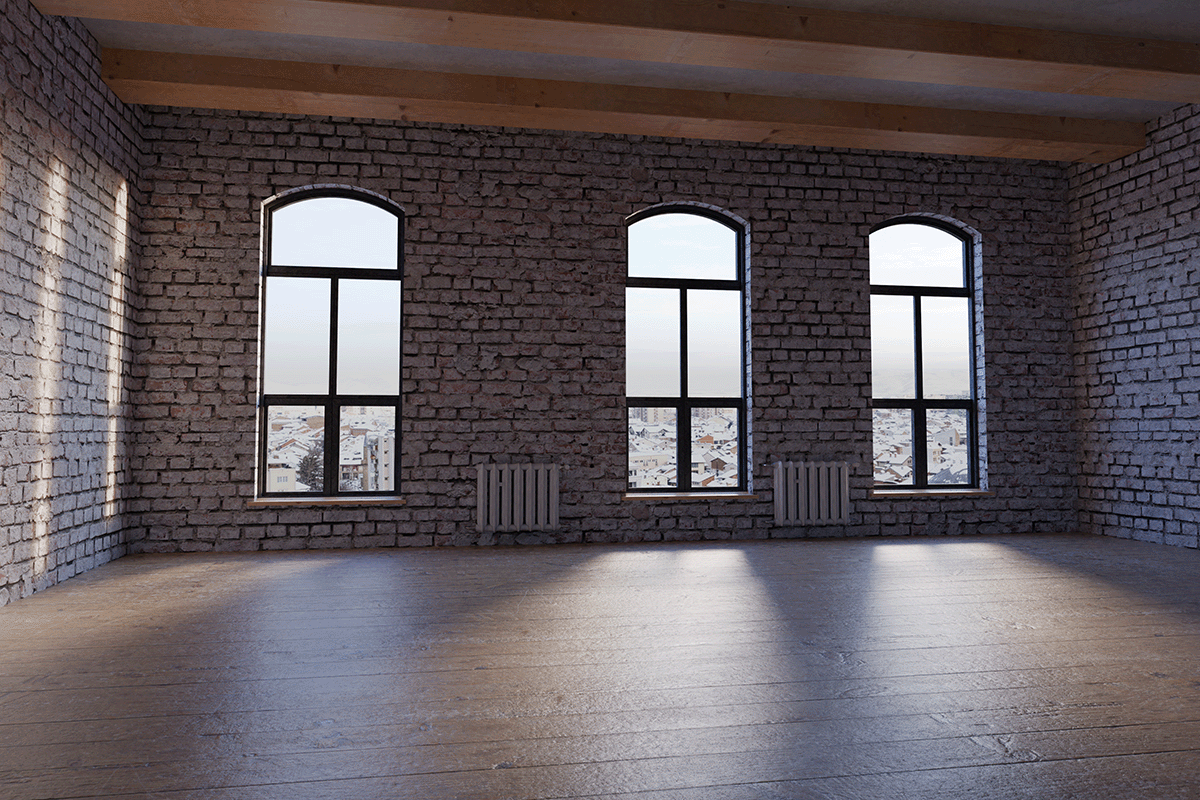
There are differing floor plans for studios and features to consider during your search, especially in New York City. If your studio faces the street with windows on the exterior wall, your apartment will likely be louder, as well as brighter. We all know how busy NYC’s streets can be! If you want natural light and don’t mind a little street noise, this is the best option for you. You’ll likely have better views this way, as well.
However, if you prefer decorative lamps for your source of light, and enjoy some peace and quiet, consider living in a unit with windows facing away from the street, possibly facing another building or overlooking an alleyway of sorts. These studios will typically be accompanied by more affordable rent, so keep that in mind!
Some studios will have you walk directly into the strip-like kitchen area from the front door, opening up into the combined space of the bedroom and living room. This is best for those who prefer to have guests not walk directly into their “bedroom.” It gives you a little more privacy, allowing you to put your bed on a back wall, slightly hidden from the entryway.
But if you prefer an entirely open floor plan with an airy vibe, that type of studio is abundant as well. And it’s likely the open layout will make the space feel bigger, so it’s a win-win!
How does a micro apartment differ from a studio?
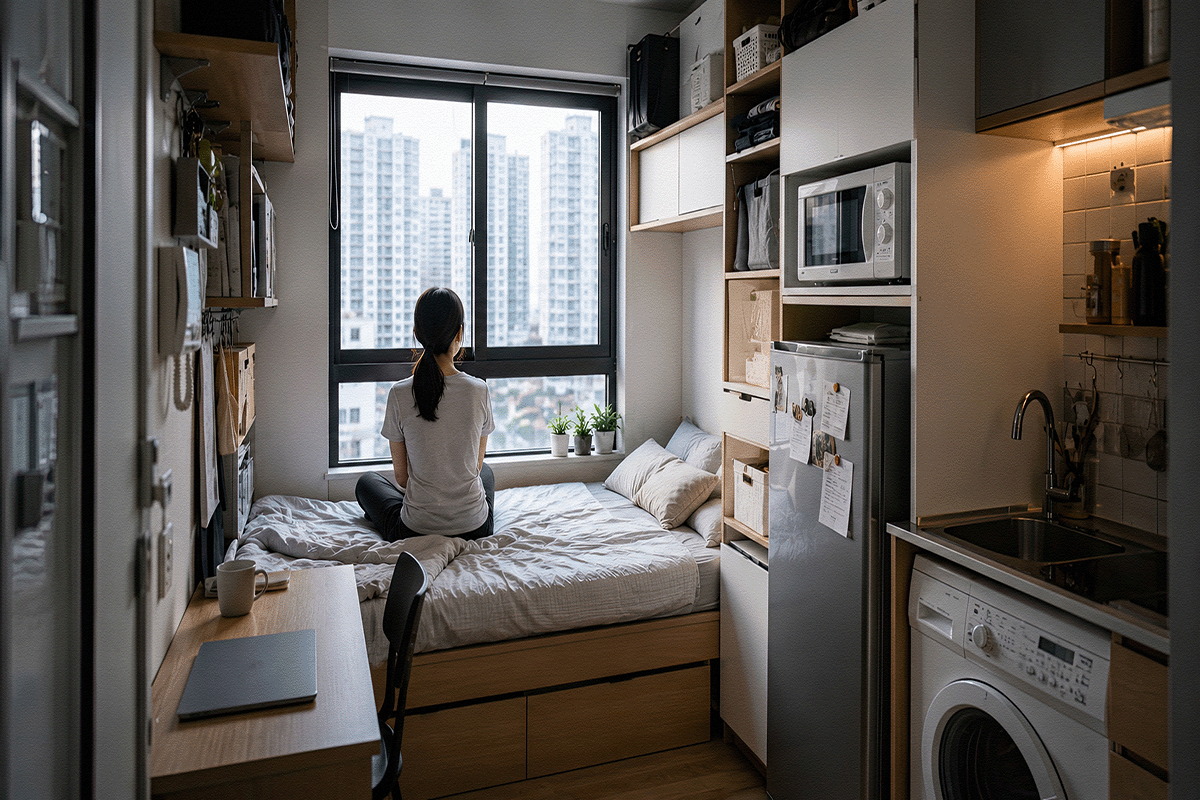
Micro isn’t just a cutesy name. Micro means micro… smaller than small. But efficiency is key here, and many tenants appreciate it for just that! A micro apartment is smaller than the average studio and is wholly intended for a single resident.
Though very efficient, these units typically run an average square footage of 200 to 400. If you’re cool with having your kitchen, bathroom, and other necessities in a unit of this size, then go for it! But if you plan to have enough room to stretch your legs—forget about it! We suggest sticking with a studio apartment if you enjoy a tad more space. That extra hundred(s) of square feet can make inches feel like miles.
New York City Borough Breakdown
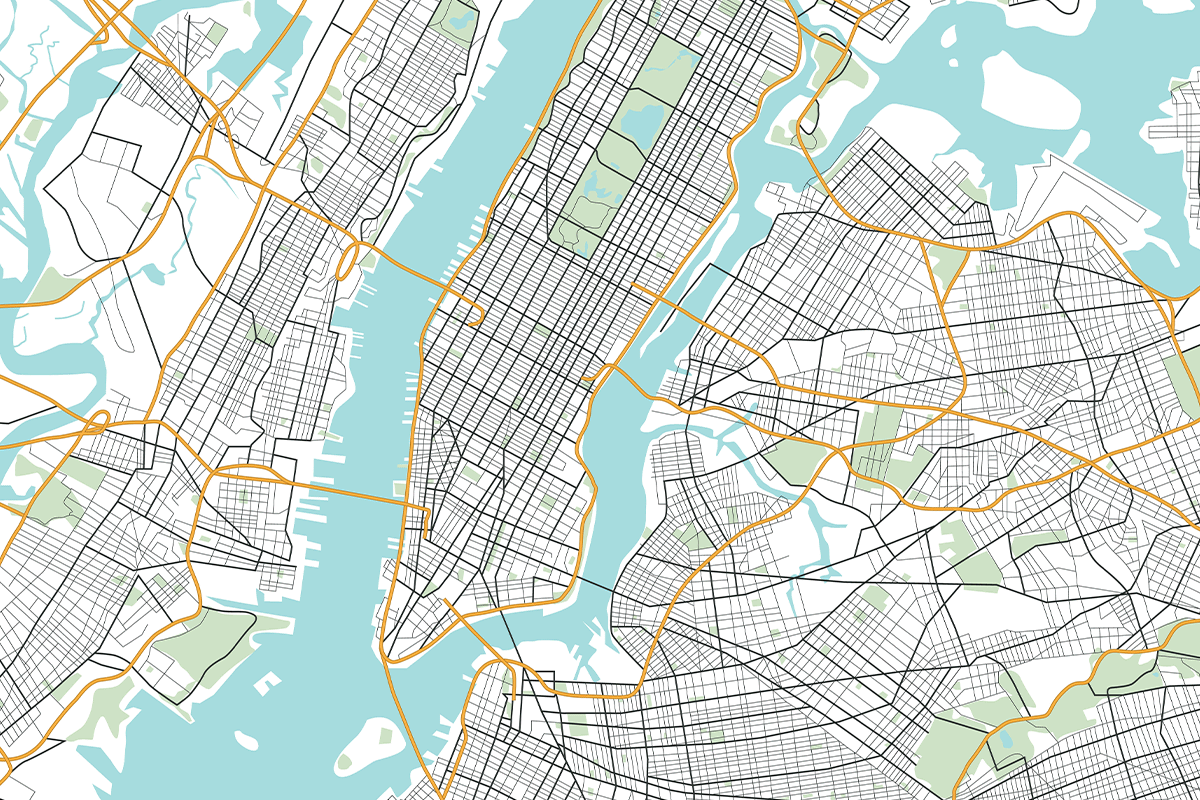
Rents in New York have fallen substantially in the last couple of years. Today, they’re $2,470 cheaper than this time last year, so if you want to move to New York City, now is a great time to do so.
That said, even though rents have been trending down, New York City is still considered the most expensive city in which to live, so keep that in mind as you search for a studio apartment in the city.
Here are the current rent trends for New York City’s five boroughs:
Manhattan
Manhattan is one of New York City’s most highly sought-after boroughs for its bustling attractions, scenic skyscrapers, and melting pot of culture, cuisine, and entertainment. So it’s no surprise that Manhattan also has the highest average for rent.
- Average rent for a studio apartment in Manhattan + square footage: $3,385/month | 440 sq ft
- Average rent for a one-bedroom apartment in Manhattan + square footage: $4,186/month | 592 sq ft
It’s on the higher end rent-wise, but you have to consider the desirability of this borough when you’re searching for a studio apartment here. For many, Manhattan’s perks outweigh the high cost of living.
Queens
From food to economy, Queens is one of NYC’s most diverse communities. Mass transportation is commonplace here, so traveling in, out, and around Queens is easy peasy. From travel and sports to film and music, Queens boasts diversity unlike any other borough.
- Average rent for a studio apartment in Queens + square footage: $3,003/month | 434 sq ft
- Average rent for a one-bedroom apartment in Queens + square footage: $3,592 | 572 sq ft
You’ll notice rent in Queens is much lower compared to Manhattan, and that’s something to consider if you’re hoping to pay less in rent while still living in a premier NYC location.
Brooklyn
The vibrant atmosphere of Brooklyn is adored by both residents and visitors alike. Its incredible artistic community and related attractions are what make this borough so abundantly attractive to its diverse population. Beautiful parks, historic museums, and elegant brownstones are cornerstones to this lively NYC community.
- Average rent for a studio apartment in Brooklyn + square footage: $2,704/month | 441 sq ft
- Average rent for a one-bedroom apartment in Brooklyn + square footage: $3,064/month | 541 sq ft
The space is bigger and the price is decent for New York City standards. So if you’re looking for an artistic oasis with picturesque green spaces and a trendy vibe, check out the available listings in Brooklyn.
Staten Island
Staten Island’s famous ferry system is not only a cherished public transit system, but also a unique characteristic of New York’s most southern borough. Large Victorian homes, historic districts, entertainment venues, and family-friendly fun occupy this one-of-a-kind island.
Recognized as more of a homey, suburban area, Staten Island’s cost of living shows a significant decrease from its urban counterparts. Affordability is key to living in Staten Island, along with the welcoming community and diverse cultural experience.
- Average rent for a studio apartment in Staten Island + square footage: $1,595/month | 449 sq ft
- Average rent for a one-bedroom apartment in Staten Island + square footage: $1,730/month | 675 sq ft
Bronx
As the birthplace of hip-hop, the Bronx is a true image of a multicultural town offering mainstays like Yankee Stadium, Bronx Zoo, and New York Botanical Garden. This music-focused borough is one for the books with its cozy coffee shops, Italian restaurants, and abundance of bakeries. You’ll want to dive into this New York culinary experience as soon as you step into this bustling borough.
- Average rent for a studio apartment in Bronx + square footage: $1,620/month | 453 sq ft
- Average rent for a one-bedroom apartment in Bronx + square footage: $1,646/month | 508 sq ft
Not only is this the second most affordable rent we’ve seen so far, but it’s also the largest square footage for a studio apartment in NYC. Give this hip borough a chance if you’re looking for character, community, and riverfront charm in New York City.
Rent-Controlled vs. Rent-Stabilized Apartments in NYC
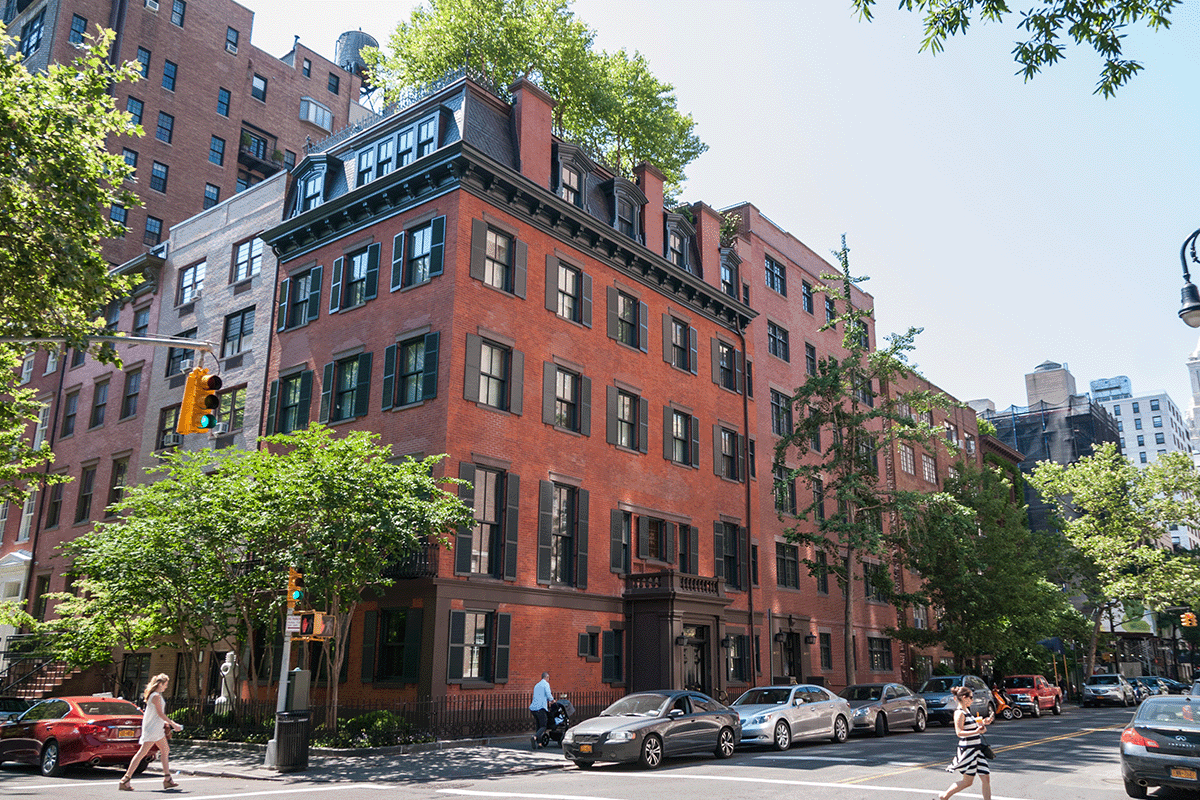
When apartment hunting in NYC, it’s best to not only understand the boroughs and their averages for apartment size and rent, but to know the unique features and regulations of renting an apartment in the city itself. Rent control and rent stabilization are terms to know and understand if you aspire to be thorough and successful in your studio apartment search.
What's a rent-controlled apartment?
Rent control limits the amount a property owner or landlord in NYC can charge for renting out an apartment, house, or any other type of rental property. Consider it a price ceiling. Either the rent for the apartment can’t be charged above a certain amount, or the rent can’t increase at a rate higher than the predetermined percentage.
Rent control was originally introduced when a severe housing shortage led to higher rents (that were quickly followed by rent strikes). To keep costs down, limit evictions, and keep the peace, the government came up with rent control as a solution.
Typically, rent-controlled apartments are older residential buildings built no later than 1947. No new rent-controlled apartments come on the market, making them nearly impossible to find. This is because the same tenant or their lawful successor (spouse of family member) has to have lived in the apartment since July 1, 1971. It’s specific… we know. But this means you’ll only acquire a rent-controlled apartment if it’s passed down to you. But don’t worry—rent stabilization is the next best thing.
How does rent stabilization differ from rent control?
Rent stabilization is a law that limits how much your landlord can increase your rent year-over-year and secures you a guaranteed right to renew your lease. This typically applies to residential buildings with six or more units built before 1974—but this doesn’t mean every unit in the building is rent stabilized, so be sure to do your homework. Some newer buildings are also rent stabilized nowadays because of certain tax abatements, so they’re seen as the exception.
Apartments that are rent stabilized aren’t always advertised as such, so take note of the listing price, age of the building, and do some further research to see if it is indeed rent stabilized. It’ll be worth the extra effort to find one of these rental gems!
While they’re difficult to find, you’re more likely to find studio or one-bedroom rent-stabilized apartment than a multi-bedroom, so it’s important to understand this concept! Though rent-stabilized apartments are all across the city, some neighborhoods have more than others.
If you’re serious about finding a rent-stabilized studio apartment, start with neighborhoods known to house them, such as Washington Heights and Inwood in Upper Manhattan, the South Bronx, and Crown Heights in Brooklyn. Go on and start your search. Your perfect NYC studio apartment awaits!
Find Your Perfect New York City Studio Apartment on Apartments.com

Now that you know what to look for, it's time to start hunting. On Apartments.com, use the Beds filter to select "Studio" and instantly narrow your results to studios across all five boroughs; no scrolling past one-bedrooms you don't want. Start your search and find the NYC studio that's right for you.
This article was originally published on October 25, 2018, and has been updated.
FAQs
How much does a studio apartment cost in NYC?
It depends heavily on the borough, but citywide a studio generally runs somewhere in the low-to-mid $3,000s per month, with many falling in the $3,300 to $3,800 range and some neighborhoods still offering studios in the $2,400 to $2,800 range. Manhattan sits at the top end, while the Bronx and Staten Island are typically the most affordable. Because rents move constantly, check the live rent trends before you budget.
Which borough has the cheapest studio apartments?
The Bronx and Staten Island are usually your most affordable bets, followed by Queens. In the Bronx and Staten Island, it's often possible to find studios in the $1,600 to $3,000 range, though anything near a subway line or with building amenities pushes higher.
Is a studio or a micro-apartment better for me?
A studio gives you a single open living space (bathroom aside), usually more room to spread out. A micro-apartment is smaller and built for pure efficiency for one person. If you value a bit of breathing room, go studio; if location and a lower price matter more than square footage, a micro can work.
What's the difference between rent control and rent stabilization?
Rent control is extremely rare and essentially inherited. It applies to older units with continuous tenancy going back decades, so you won't find one on the open market. Rent stabilization is far more common and is what you'll realistically be looking for: it caps annual rent increases and guarantees your right to renew.


