

You’ve finally found your new apartment. Congratulations! You might already be thinking about decor and how many friends you'll have over, but you may need to take a few steps back. Before you sign the lease and move in, you should do a walk-through with your landlord or a rental agent.
It’s important to be observant during an apartment walk-through so you can spot any damages before moving in and receive the full amount of your security deposit once you move out. Below, we'll explain the different types of walk-throughs, walk you through a room-by-room checklist, and answer the questions renters ask most.
What Is an Apartment Walk-Through?
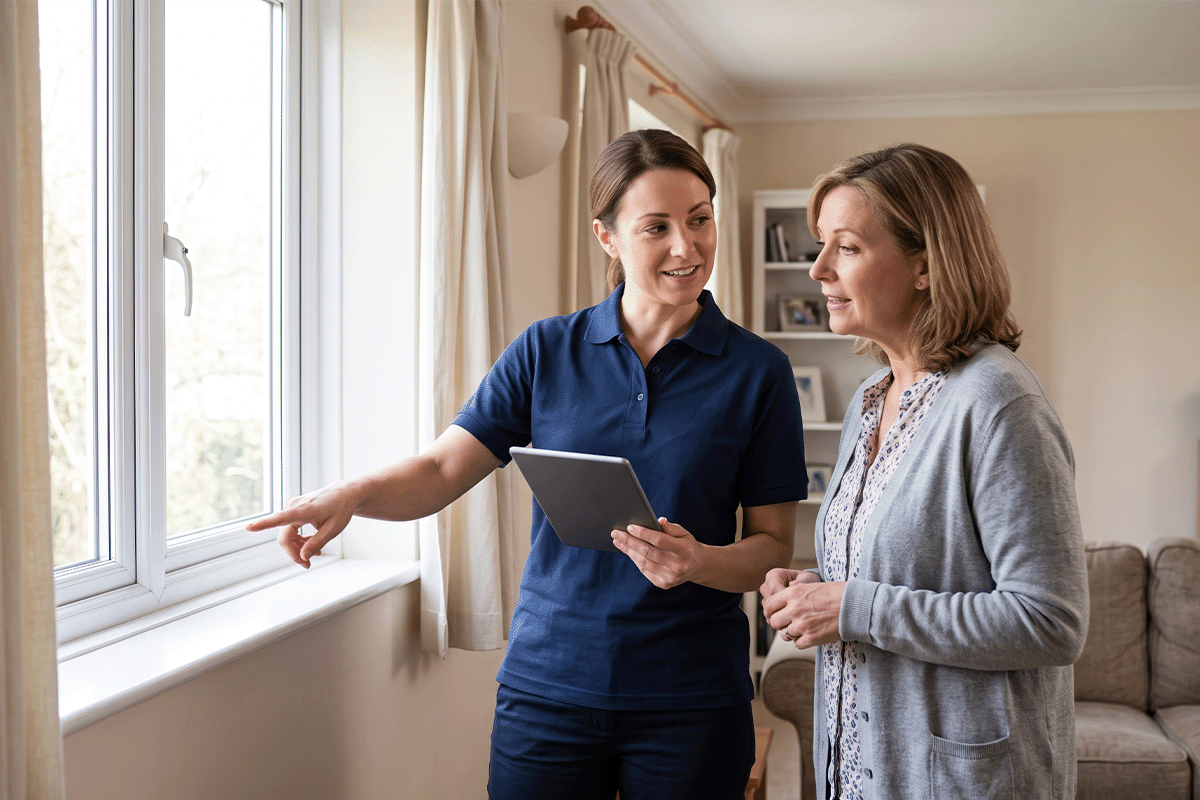
A walk-through is exactly what it sounds like: you walk through the apartment and inspect its condition. The goal is to document any existing issues so you aren't charged later for damage you didn't cause. A thorough, well-documented walk-through also reduces the chance of a security deposit dispute, because both you and your landlord have a shared record of the unit's condition.
It's worth knowing that "walk-through" can actually refer to three different moments, and they aren't the same thing:
- The touring walk-through (before you sign): This happens while you're still deciding on the apartment, often during a tour with a rental agent or landlord. Here you're evaluating whether the unit is right for you and flagging anything you'd want fixed before committing. If you spot problems, this is the time to negotiate repairs into the lease.
- The move-in inspection (after you sign, at or before move-in): This is the most important one for protecting your deposit. Usually after the lease is signed and before you get your keys, you document the unit's exact condition, room by room, on a move-in checklist. In some states this document is legally required. Get it in writing, and keep a copy.
- The move-out walk-through (when you leave): When your lease ends, you'll do a final walk-through, often with your landlord, comparing the unit's current condition to your move-in record. This is where good move-in documentation pays off.
It’s common for a landlord or rental agent to print off a walk-through checklist for you to sign off on. The checklist details the condition of each room and appliance along with any present damages. Although you might receive a checklist from your landlord, it’s important to have your own checklist so you don’t miss anything.
What Should I Look for During a Walk-Through? What Questions Should I Ask?

During your apartment walk-through, take your time, be observant, and pay attention to detail:
- Take dated photos and videos of any damage, ideally with a visible timestamp. Wide shots plus close-ups of specific problems work best.
- Write it all down. Note the room, the issue, and the date on your checklist or phone.
- Test as you go. Make sure every appliance turns on, every faucet runs, and every outlet works.
- Follow up in writing. After the walk-through, email your landlord or property manager a copy of your photos, videos, and notes so there's a written record of what you both discussed. Keep a copy for yourself, too, since you may need it when you move out.
A quick note on the rules: security deposit laws and move-in checklist requirements vary by state, and some states set deadlines for returning the signed checklist. Check your local regulations so you know your rights and obligations before you sign anything.
Download the checklist:
Apartment Walk-through Checklist
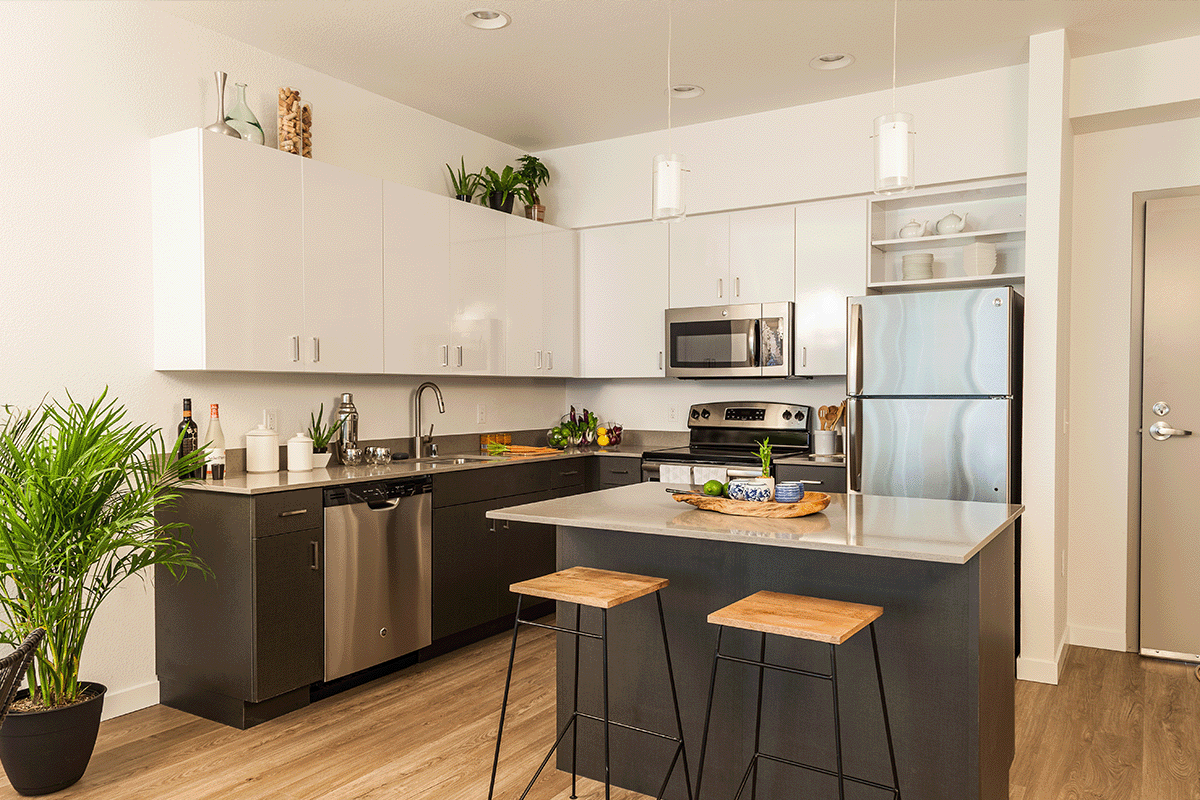
Kitchen
- Test every appliance to make sure it works, and check that the interior and exterior are clean:
- Oven and stovetop (burners clean? does the broiler work?)
- Dishwasher
- Refrigerator and freezer (both cold? freezer free of ice buildup?)
- Garbage disposal
- Microwave, if included
- Does the kitchen sink drain properly? How's the water pressure, and is there hot water? Check for mold or water damage under the sink.
- Open and close all cabinets and drawers. Any chips, scratches, or ones that stick?
- Test the range hood's light and fan.
- Test the GFCI outlets near the sink (press the "test" and "reset" buttons).
Bathroom
- Is the bathroom clean?
- Do all faucets work? Check water pressure and hot water.
- Do the sink and shower drain properly?
- Any cracked tiles or missing grout around the sink, tub, or shower?
- Do all light fixtures and the exhaust fan work?
- Look under and around the sink and toilet. Any dampness, dripping pipes, mold, or water damage?
- Does the toilet flush properly?
- Does the medicine cabinet open and close correctly?
- Test the GFCI outlets (press "test" and "reset").
Laundry
- Do the in-unit washer and dryer work properly?
- If there's a shared on-site laundry facility, is it clean, well-lit, and well-maintained? Ask whether access is limited to residents.
Bedrooms, Living Areas, and the Whole Apartment
- Any unusual odors?
- Run both the heat and the air conditioning to confirm they produce hot and cold air. Check the thermostat (and any smart-home devices) to make sure they respond.
- Do all lights turn on without flickering? Do all outlets work? (Tip: a phone charger makes a quick outlet tester.)
- Do ceiling fans run smoothly and quietly?
- Do doors and windows open, close, and lock smoothly? Do any screens or panes need repair?
- Check for water damage on ceilings and floors: warped flooring, peeling paint, musty smells, wall stains, or active leaks.
- Inspect the flooring. Carpet: any stains or odors? Hardwood or vinyl: any deep scuffs, bubbling, or buckling?
- Check walls for peeling paint, cracks, stains, or marks.
- Look under sinks and in closets for signs of rodents, insects, or bed bugs (check baseboards, mattress seams, and corners).
- Do the closets have sturdy poles and shelving?
- If the unit is furnished, note the condition of every piece of furniture.
Connectivity
- Check the cell signal in each room. Weak spots are much easier to know about before you move in.
- Ask about internet options and, if possible, test Wi-Fi speed or confirm which providers service the building.
Keys, Access, and Shared Spaces
- Confirm you've received a working key or fob for every lock, plus any building entry cards, gate codes, or garage openers. Test each one.
- Locate and check your mailbox, and make sure you have the mailbox key.
- Confirm your parking situation: assigned spot, permit, or garage, and that any opener works.
- Find out where trash and recycling go.
- Inspect any balcony, patio, storage unit, or other extra spaces that come with the unit.
Security and Safety
- Do all door and window locks work? Nothing should wobble or shift, and you should have a working key for each.
- Is there a peephole?
- Do the blinds and curtains open and close?
- Are there working smoke and carbon monoxide detectors?
- Is there a security system, and does it work?
- Is there a fire extinguisher, and is it current?
- Where's the circuit breaker located, and where are the emergency exits?
What Happens After the Walk-Through?

After you are finished walking through the apartment with your landlord, address any concerns you have and discuss a plan to fix any damages. Follow up by sending your landlord or property manager a copy of your photos, videos, and notes in an email to document what you discussed. Keep a copy for your own records as well because you may need them when you move out.
What Should I Do if I Live Out of State or I’m Unable to Do a Walk-Through Before I Move In?

If you're moving from out of state or otherwise can't visit, technology can help:
- Self-guided tour. Some landlords leave a lockbox or provide a smart-lock code so you can view the unit on your own.
- Video walk-through. Ask for a recorded video, and have a second person watch it too. A fresh set of eyes often catches details you'd miss.
- Live video call. Ask the landlord or agent to FaceTime, Zoom, or video-call you as they walk through the unit in real time, so you can ask questions and request close-ups.
Many landlords and property managers are willing to accommodate renters who can't inspect in person. If that's you, reach out before your move-in date to ask what's possible. Since most people start their apartment hunt virtually anyway, don't hesitate to use the same tools for your walk-through. Keep in mind that you can also use the internet to help you beyond browsing listings or reading reviews.
Ready to Find Your Next Home?

A great move starts with the right apartment. Browse thousands of listings, compare neighborhoods, and find a place you'll love, then use this checklist to move in with confidence. Start your search on Apartments.com.
This article was originally published on May 22, 2020.
FAQs
How long does a walk-through take?
Plan for 30 minutes to an hour for a thorough move-in inspection, depending on the size of the unit. Don't rush it, this is the record you'll rely on later.
What if I find damage in my apartment after I've already moved in?
Document it with dated photos right away and notify your landlord in writing as soon as possible. The sooner it's on record, the easier it is to show it wasn't caused by you.
Who should be present for the walk-through?
Ideally you and the landlord or property manager together, so you can discuss issues on the spot. If that's not possible, document everything yourself and share it in writing.


